Camera
No biography available.
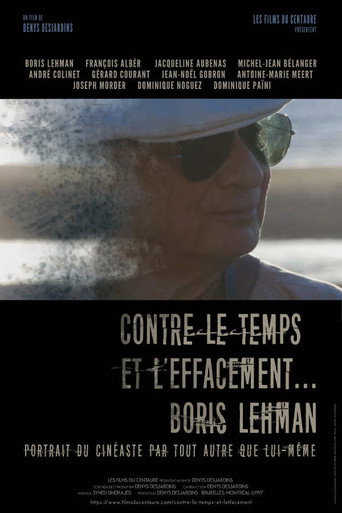
One of the most intimate and obstinate filmmakers in Belgium, Boris Lehman acts, directs, produces, and distributes his films, single-handedly incarnating the essence of a creator who manages to survive on the fringes of his industry. From Brussels to Paris, friends, filmmakers and critics offer their understanding of a man for whom life is a reason to film, and film, a reason to live.
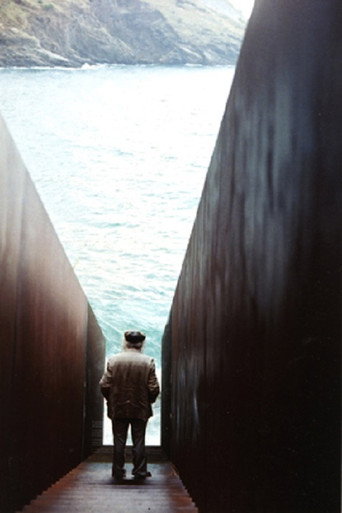
The last day of the life of German Jewish writer and philosopher Walter Benjamin (1892-1940). The director re-routes Walter Benjamin between Cerberus and Port-Bou before his suicide. When we started shooting, the director's camera was stolen. The film incorporates this episode and attempts to reconcile two fates.
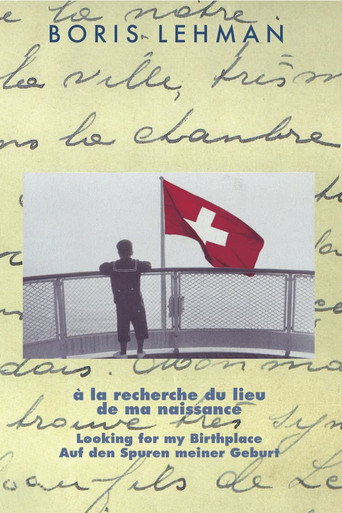
Film director Boris Lehman returns to Lausanne, where he was born on 3 March 1944, at the end of the war.
A day in the life of director Boris Lehman: he wanders from cafe to bookshop, cinema to museum, writer to musician, and into the storeroom of the film archive... He celebrates his birthday in an alleyway, with a friend, and finishes his journey with an escapade to Bruges and a stroll by the North Sea. The camera plays dirty tricks and the sound recorder gets carried away, to the point that both are clearly telling Boris to stop filming. Yet he persists…
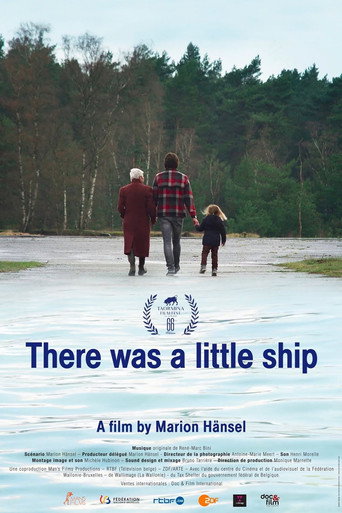
A woman, hospitalized for a relatively long period, observes what surrounds her. She has time to dream, to revisit certain moments of her life. These memories, like small bubbles begin with her birth in Marseille in 1949 and bring us to Antwerp, Paris, New York, England… to end in Flanders in 2015, after she gets out of the hospital. There Was A Little Ship is a filmic-biographical essay, sincere and poetic.
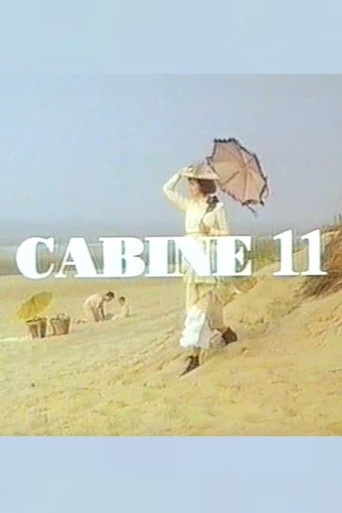
A comedy short in which a young woman has her clothes stolen at the beach, and needs to get hold of something to cover herself without being seen.
A woman attempts to put up wallpaper, and ends up undressing as she keeps getting stuck to things.
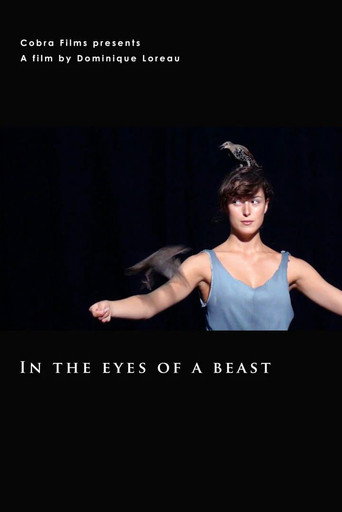
How do humans and animals see each other? Dominique Loreau captures astonishing exchanges of “views” between people and animals who coexist in the city, in farms, slaughterhouses, zoos, museums, or in a dance rehearsal room. In The Eyes Of A Beast questions the permeable boundary between man and animal.
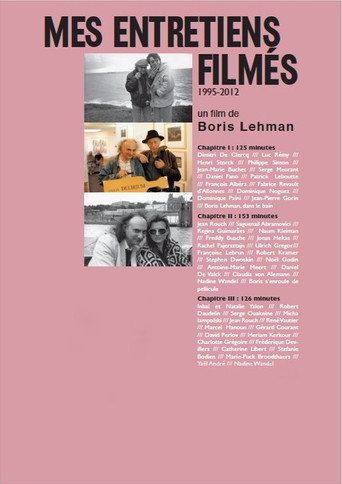
This distinctly personal journey into the artistic possibilities of independent film is not to be missed. Jonas Mekas, Jean-Pierre Gorin, Robert Kramer and many other visionaries and mavericks of the silver screen – as well as a book seller, a critic and a psychoanalyst – discuss what cinema has meant to them, what it is and what it could be and, implicitly, how it has changed over the 18 years in which this film was shot. Director Boris Lehman leads the charge, drawing in moments of absurdist humour and inventive camera work; he keeps things raw and spontaneous. His encounters with the now much-missed Jean Rouch and Stephen Dwoskin are particularly touching and stand testament to their personal playfulness and candour. An engaging, absorbing, epic odyssey of a movie.