Sound
No biography available.
In conversations with his friends and colleagues, among them Bernd Upnmoor, Helmut Herbst, Alexander Kluge, Klaus Wyborny, Daniel Kothenschulte and Helge Schneider, Ulrike Pfeiffer takes us on a journey into the broad expanse of Nekes' cabinet of wonder and his cinematic works. At the same time, this documentary provides an insight into the history of experimental film in Germany.
30 minutes of images with music by Anthony Moore
The painter gazes at his female model, or how voyeurism is transformed into culture. An erotic adventure film where the theme is the viewer himself.
Attracted to Nordic landscapes, [Dore O.] filmed KALDALON (1970/71) in Iceland where images of water, rocks, steam and smoke were technically enhanced to appear blue-tinged.
Diwan, a lyric anthology, an outdoor movie with people. With people living in the surrounding precious and very beautifully photographed nature, are neither more nor less than one part of it. What Nekes manages there with landscape, as a cunning and quote many fine artist in a medium that runs in time, as he defeated the time changed, by themselves for change of scenery uses, as it interferes with the laws of chronology through the rewind ability of the camera or destroyed, which is a compelling and highly aesthetic experimental company.
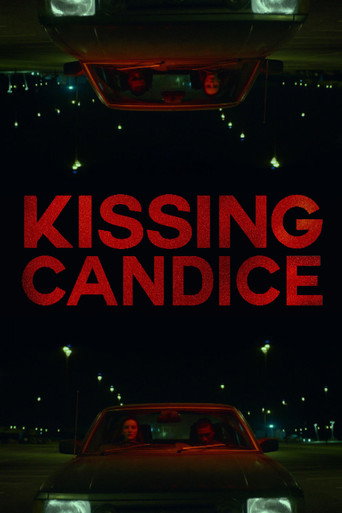
Candice longs to escape the boredom of her seaside town, but when a boy she dreams about turns up in real life, she becomes involved with a dangerous local gang.
A strange succession of tableaux of four women and a man which gives the sense of a sort of dream family locked in an antiseptic world of endless afternoon teas, dinners and waiting. Often her images seem to be stills either before or after something has been said.
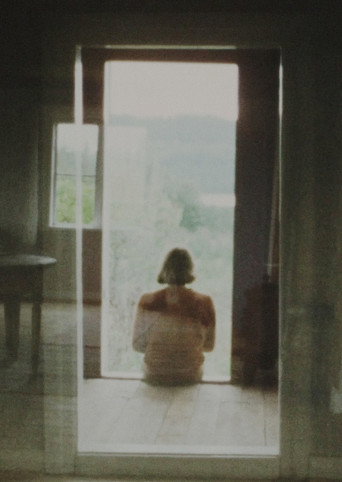
An experimental film where a particular space is constantly "present" : there is a complex usage of superim- position, and of split-screen effects. The place shown is a part of a house in the country. Doors and windows are continually shown, emphasizing the film's concern with framing. Other images are present: city-scapes of a particularly sinister nature, implying a sense of ruin, and shots of a chorus on a stage. These shots begin and end the film which is accompanied by a vocal chant on the soundtrack.
"...Nekes retreats behind his film. What is left is a double portrait, in which neither Dore 0. nor the grand landscape remain unchanged. The cold of the icy coastline - long shots of stones, snow and the sea - dwindles away before the image of Dore 0. Solitude is superflous, when the grandiose mountain meadow invites somersaults. ... In this case Nekes handles what he shows considerately. He releases the objects he portrays. He allows them to unfold. And so model and patterns actually serve another purpose: to let poetry grow, and energy and beauty and confidence nell'abbandono."
Makimono is an Asian roll painting depicting a landscape. The subject of the film is the language of film itself, its mutability and its influence on the viewer's vision and thinking. While the film gradually progresses the viewer is gently invited to reflect on the development of the film in its expressive potential.