Acting
No biography available.
Götz von Bredow's elk-leather trousers have their own special meaning: whoever wears them cannot come to any harm. Only they must not be washed. The meticulous Mrs. Brigitte cleans them anyway - but they get lost because the squire Hans-Jürgen, who is guarding them, has to save the life of Eva von Bredow, who is floating in a wash barrel. Meanwhile, Privy Councillor Lindenberg has arrived at the Bredows' house and loses a large sum of money in the game that does not belong to him. He wants to make up for the loss with a robbery. Suspicion first falls on Bredow because his trousers were involved, but Lindenberg is convicted and sentenced to death. This throws the cavalry into turmoil, as robberies are an important source of income for them. The four of them march against the Elector, who is hunting in the Köpenicker Heide. But Bredow, who has his protective trousers back, comes to his aid.
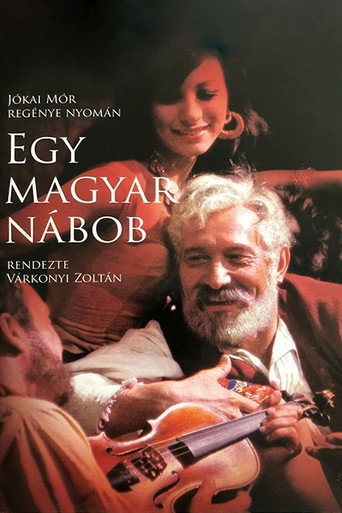
On the novel by Mór Jókai. The first half of the XVIII century. Several decades of life of a noble family Karpati.
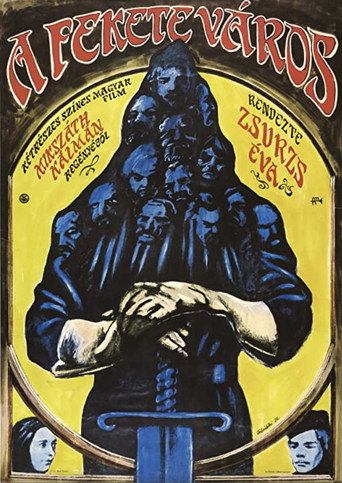
Feature film version of the 1971 series. On the eve of the 18th century, County Vicecomes Görgey Pál broods alone in his manor while the town of Leutschau celebrates New Year’s with lead‐casting omens and a disastrous hunt that sparks a bitter feud. As Görgey fights for his honor and life, and the townspeople defend their Saxon privileges, their mutual blind ambition prevents them from seeing the rising light of Rákóczi’s coming rebellion.
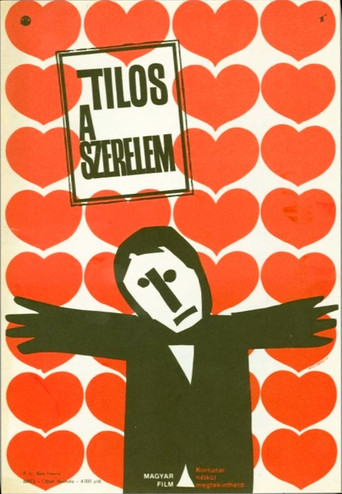
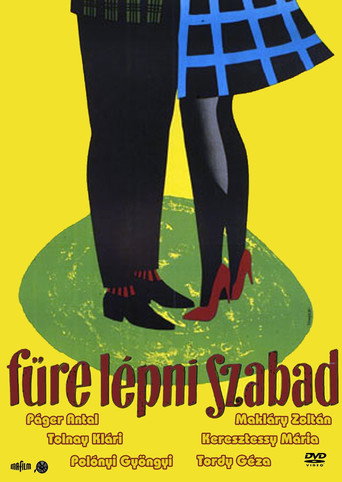
Nothing is as dangerous to a really good group of friends as a woman and love. At least according to Frank, the brigade leader, who not only protects cohesion but also work performance when he gives advice to his colleagues. It's easy for him, of course, because he's never been in love. Not so his friends, who are still courting the travelling circus artists. But what goes around comes around. Then Klári, the forklift girl, appears...
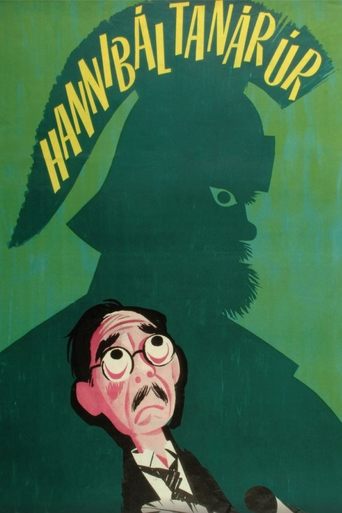
A school teacher becomes a momentary hero after having rescued a stuffed-bird from a school incident.
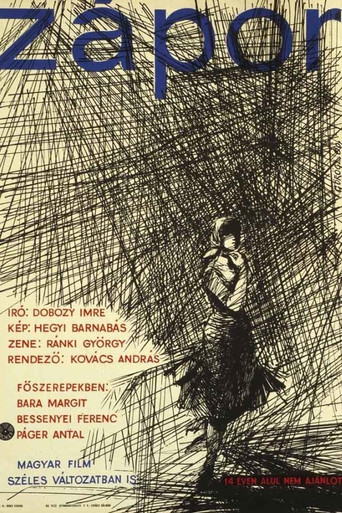
Miskei, the popular and dynamic president of a co-op falls in love with Mari, the attractive wife of the elderly Pató. The deeply feeling woman is fed up with the service beside the haughty land holder, she is longing for tenderness and a child. The passion of Miskei is growing when he sees how crudely, humiliating Pató treats her. During a powerful summer shower, when chance brings them together in an abandoned press house, he storms on Mari confessing love. The woman refuses him bitterly. Miskei calms down and he keeps on expressing his love and high esteem with the woman by steadfast and tiny compliments. Early one morning Mari leaves her husband and sets off to the city to learn and to begin a new life.
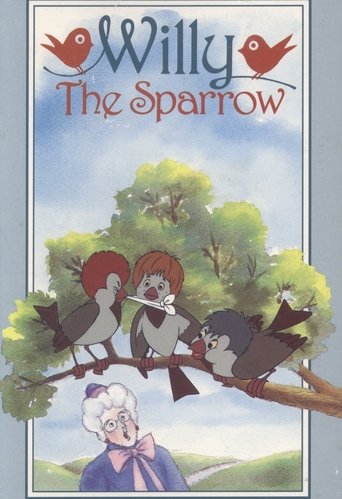
Vili fakes illness so he doesn't have to take a math test. Instead, he starts shooting at sparrows from the window with an air rifle. The kindly old lady who feeds the birds turns out to be a real-life fairy who tries to turn Vili into a good boy.
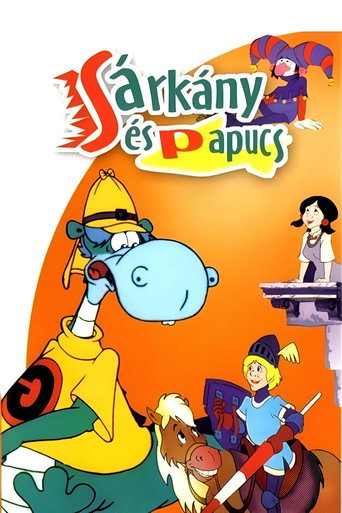
Queen Guinevere sadly complains to her beloved handmaiden Peggy that her husband, King Arthur, has neglected her for years. The King spends all his time on the platform of the knight's tower or at the famous 'round table'. The women figure that only the good old wizard Merlin can help. Merlin sends Guinevere a powerful magic potion that will help her win back Arthur's love. The ladies bake the potion into a pudding, but it is accidentally eaten by Arthur's favorite knight, Lancelot. To complicate matters, Peggy is in love with Lancelot, but the knight's overdose of magic causes him to fall madly in love with the queen.
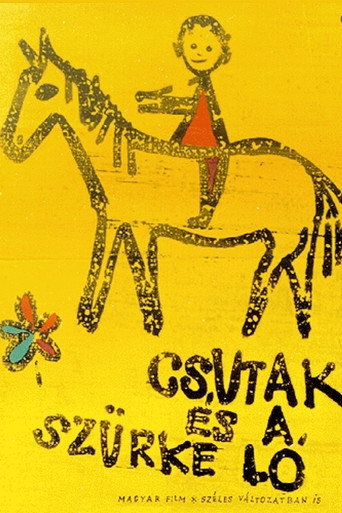
Csutak is just a pain in the neck, the little boy is even excluded from play by his mates. Vacation is spent lonely until one day he sneaks the woman haulier's old, shabby horse, a creature that would be better off in a slaughterhouse, out with himself. Possessing the animal is the key to the children's gang. They all try to find a place for the horse.
Daddy Kárász, the stakhanovist worker, complains in a television interview about the fact that his family, consisting of many members, cannot get a home on their own. Kéri, the chairman of the local authority, promises to help him on the condition that if he does not, they may move in to his villa at elegant Pasarét. Nothing happens, therefore the Kárász family takes Kéri by his word. From this time on, tumultuous scenes and frequent quarrels take place in the villa between the two families.
Inspired by a poem by Antal Farkas and tribute to socialist leader Bela Kun. The film is about a family waiting for a brother to return from a revolutionary war.