Antal Cserna Movies, TV Shows, and Filmography

Antal Cserna
Acting
Biography
No biography available.
Filmography Movies
Acting

A színésznő
Anna, a celebrated Transylvanian actress starring at Hungary’s National Theatre in the mid-1960s, falls in love with an Olympic champion she meets at a reception, much to the regime’s displeasure, which has other plans for the multilingual star as an official hostess for visiting dignitaries. As the secret service weaves its manipulative web across every facet of her life, Anna, fortified by her love, proves a formidable opponent to their schemes.
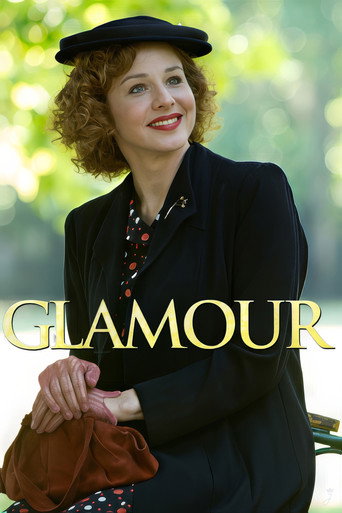
Glamour
The tumultuous history of Hungary through the twentieth century is viewed through the saga of the Hungarian-Jewish, furniture-manufacturing family, the Vendels. After taking over the once successful, but now failing, family business in the 1930s, the family patriarch's dashing elder son decides that the family needs an infusion of new blood. A matchmaker presents him with a photo of a pretty German nursery school teacher. When the two meet, they instantly fall in love, but because Hungary has an alliance with Germany, and the Third Reich prohibits marriage between Gentiles and Jews, the couple must hide their union. Their marriage ultimately stands as a dark foreshadowing of rougher times to come as troubles ensue with the advent of World War II, when the family, its employees and servants must retreat to the basement, where the shop emerges increasingly as a refuge in a world growing more violent and less tolerant.
On Death Row
Ferenc Gergó met Béla Nagy in the army, who later appeared at his workplace, a rural communications technology factory, as a counterintelligence officer, and played a major role in Gergó being sent to death row in 1958. Here he recalls what happened. Gergó fell in love with Zsuzsa, the wife of his friend, chief engineer Wágner. However, before their conflict could unfold, Wágner was arrested on suspicion of espionage and died in prison. Zsuzsa rejected Gergó's advances for a while and raised her child alone. After rekindling their relationship, they get married. On their honeymoon, they learn of the outbreak of the revolution. On their way home, they take part in one of the revolutionaries' actions. Gergó becomes a member of the factory workers' council. He saves Nagy from being lynched. In November, the factory is surrounded by soldiers. Gergó is also arrested...
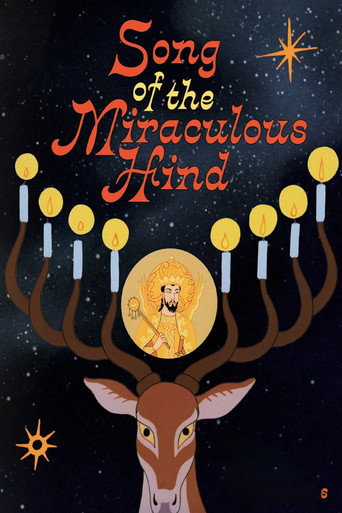
Song of the Miraculous Hind
Divided into four sections, "Song" is inspired by the Siberian and Finno-Ugric legends about Creation, in which the world begins with characters who are only half-human, one being half-bird, the other half-bear. The narrator delves into the origins of Hungarian culture, the Iranian and Turkish influences that impacted the society, and finally the story of Stephen, the emperor who brought Christianity to the country and shifted the capital west in an attempt to link with Europe.
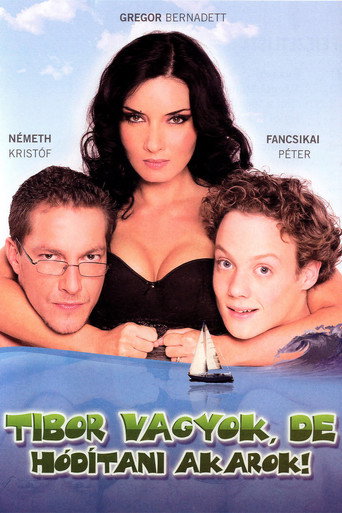
Young, Dumb and Full of Love
At the end‐of‐year assembly, Tibor and two friends are browsing Lady Sandra’s website on a computer when the school radio announces he’s flunked history, dashing his plans for a Croatian holiday, parties and picking up girls. Instead, he’s sent to his father’s Flamingó Hotel in Balatonfüred to cram for the makeup exam. The once‐Soviet-era resort is barely recognizable, save for familiar faces: childhood friend Józsi, caretaker Tunyogi’s daughter Kata and kind Aunt Rózsi. Just as everything seems hopeless, a mysterious beauty arrives, and Tibor is convinced she is Lady Sandra, the woman of his dreams.
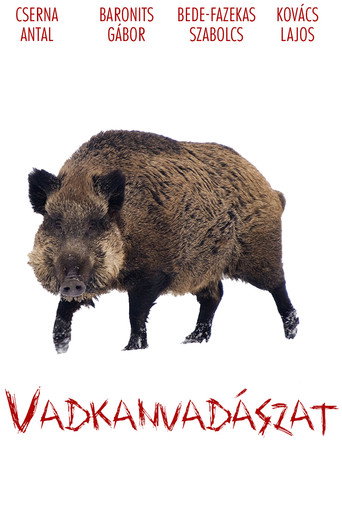
Wildboar Hunting
November 1664. The autumnal peace of the Kursanec forest is suddenly shattered by the noise of a hunting party. The leader of the hunters is Miklós Zrínyi, one of the most powerful men in the country. Neither he nor the members of the merry party can imagine how the day will end. The film presents a tragic event in Hungarian history, which is still not fully understood and which will later affect the fate of the whole country. Hunting accident or assassination? There are many theories and explanations, rumours and anecdotes about the events of this autumn day. Is it plausible that the life of a renowned general, an excellent hunter and a respected poet should come to such a fatal end? Who was he whose terrible fate was facilitated even by such potentates as Louis XIV, the Sun King?
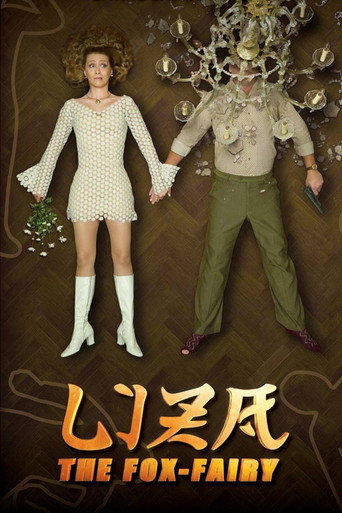
Liza, the Fox-Fairy
Liza is a naïve, lonely 30-year-old nurse who wants to fall in love. Her only company is a long-dead Japanese pop star, who turns her into a fox-fairy out of jealousy. Now, every man who desires Liza shall die horribly. Can she overcome the curse?

Simple Guy
A rich couple's newly purchased wonder car breaks down on the way, forcing them to wait in a deserted parking lot until help is called to the car to transport them.
Last Seen Wearing a Blue Skirt...
The sixteen year old Bea is on her way home from her sports class when a foreign long- vehicle stops by her and she is asked the way. A shove, the banging of the door, and the long-vehicle pulls away with its victim towards the South. Beas abductors rape her and sell her as a prostitute. She tries to escape, keeps leaving marks behind, hoping that her beloved father, Sándor, will find her.
Gallery