Acting
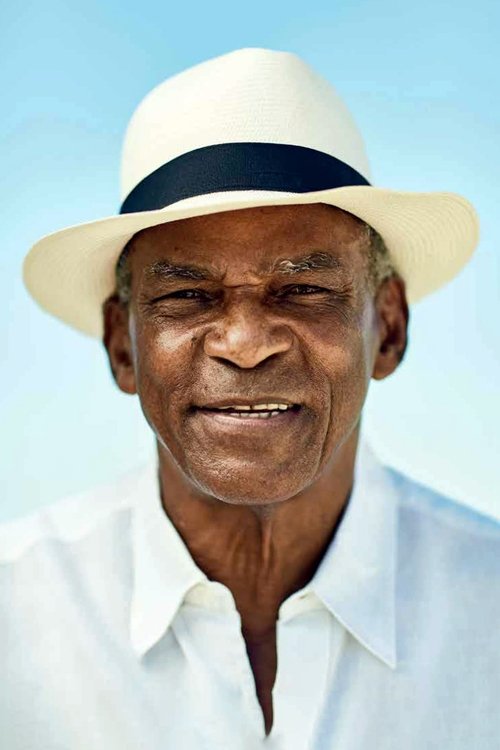
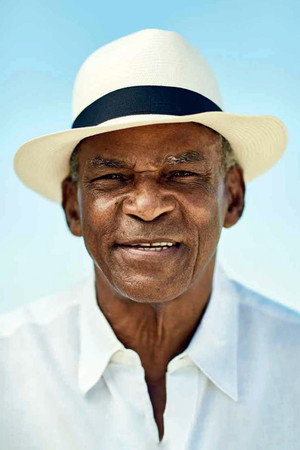
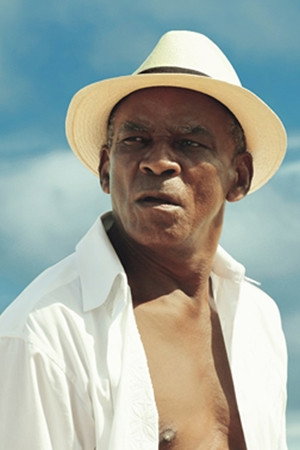
Antônio Luiz Sampaio OMC (Salvador, June 13, 1939), better known as Antônio Pitanga, is a Brazilian actor and filmmaker, who became internationally known for playing several roles on films of the Cinema Novo movement in the 1960s.
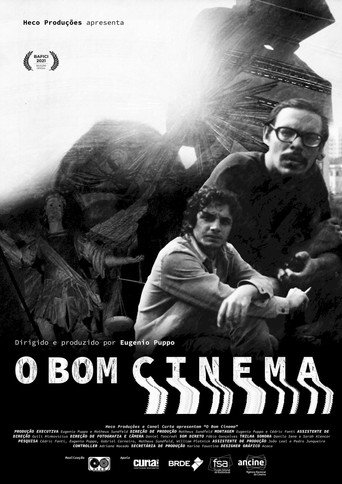
An authentically marginal cinema created in Catholic university in Brazil. One of the most intriguing and imaginative moments in modern cinema in the voice of some of its select conspirators—with Carlos Reichenbach at the lead—, and through the most razing flow of images that can possibly be conceived.
"Portraits and excerpts from Brazilian films from all times. Actors, directors and images that affirm cinema."
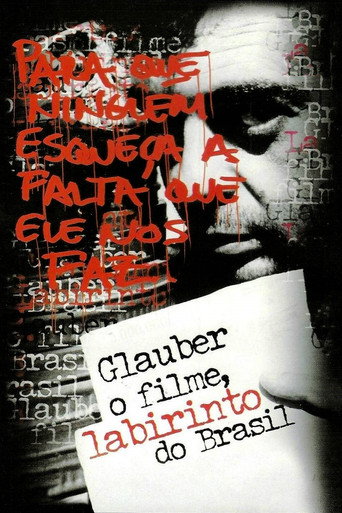
Documentary about Brazilian filmmaker Glauber Rocha, one of the most important names in the Cinema Novo, with interviews with some of his friends and colleagues.
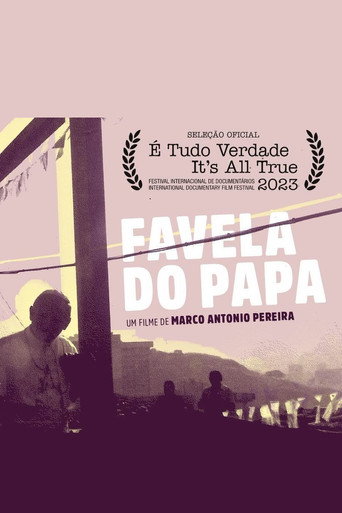
The film shows the resistance movement of the residents of Favela do Vidigal against the removal order, an important chapter in the history of Rio de Janeiro in the 1970s.
In Bahia, an educated black man returns to his home fishing village to try and free people from mysticism, in particular the Candomblé religion, which he considers a factor of political and social oppression, with tragic outcome.
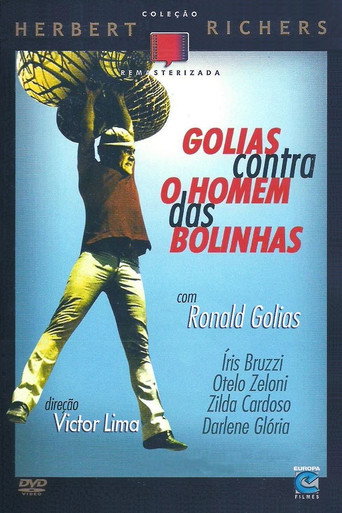
The adventures of a peaceful and infatuated man, who tries to identify the man who killed his sweetheart, an unconventional young woman who used to receive "guests" at home, calling them her cousins.
Recently divorced, Roberta is living her best life, until she discovers that someone has turned her biggest secret into the plot of a soap opera — where she is the villain.
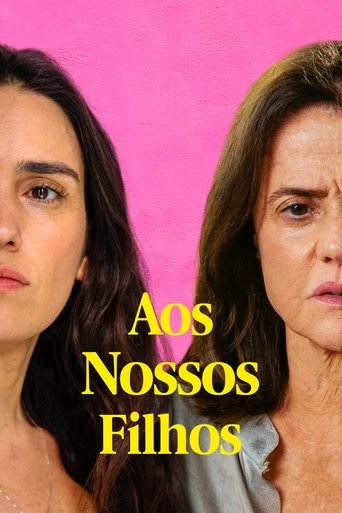
Vera, who fought in the armed left-wing movements against the Brazilian military dictatorship, has lived in multiple South American countries. Her daughter Tânica has been married to another woman for fifteen years, and they're about to have their first child.
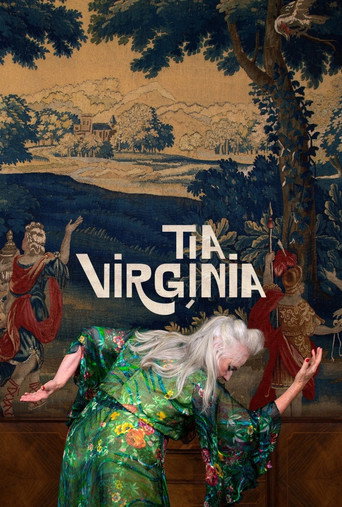
Aunt Virginia is a 70-year-old woman who has no children and has never been married, and ends up being convinced by her sisters, Vanda and Valquíria, to move to another city in order to take care of her parents. Taking place in just one day, the film follows Virginia's preparation to receive the sisters who are coming to her house to celebrate Christmas.
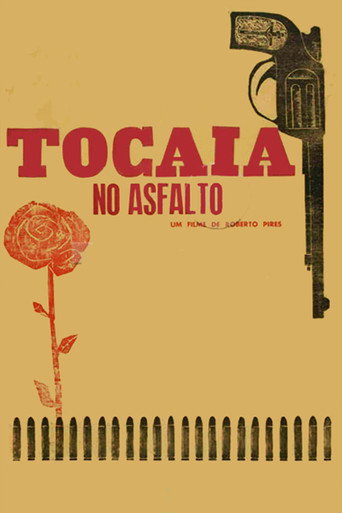
A gunman is hired to kill a corrupt politician. However, the agreement is canceled. Despite being a hired killer, the man takes his job seriously and prefers to go to the end.
A black fisherman now working at a local gas station, Antônio lives at the small beach town of Atafona. His biggest ambition is to stash enough money to leave to a big city with his fiancee, a mix-raced girl who sells fresh crabs to locals and wishes for a better life. When a rich white woman from the high society arrives to spend a few days away after ending a failed marriage, Antônio soon bonds with her and begins to change his plans.
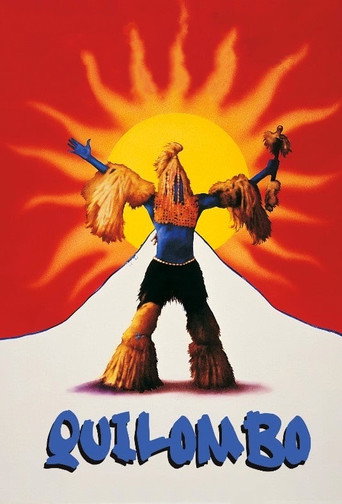
Quilombo dos Palmares was a real-life democratic society, created in Brazil in the 17th century. This incredibly elaborate (and surprisingly little-known) film traces the origins of Quilombo, which began as a community of freed slaves. The colony becomes a safe harbor for other outcasts of the world, including Indians and Jews. Ganga Zumba (Toni Tornado) becomes president of Quilombo, the first freely elected leader in the Western Hemisphere. Naturally, the ruling Portuguese want to subjugate Zumba and his followers, but the Quilombians are ready for their would-be oppressors. The end of this Brave New World is not pleasant, but the followers of Zumba and his ideals take to the hills, where they honor his memory to this day. Writer/director Carlos Diegues takes every available opportunity to compare the rise and fall of Quilombo with the state of affairs in modern-day Brazil.
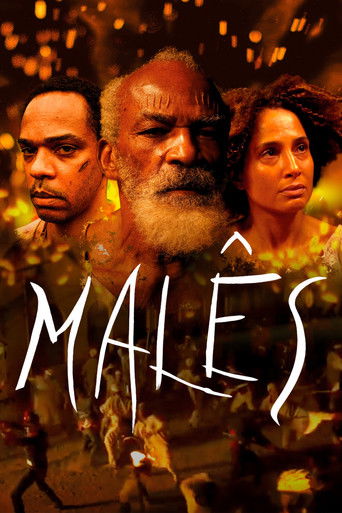
Based on historical facts, the film portrays the largest slave rebellion in Brazilian history, the Malê Revolt. The uprising mobilized the black population in the streets of Salvador against slavery in 1835. After the failure of the revolt, the protesters were harshly punished and repression against black people in Brazil increased.