António Pedro Figueiredo Movies, TV Shows, and Filmography
António Pedro Figueiredo
Sound
Biography
No biography available.
Filmography Movies
Acting
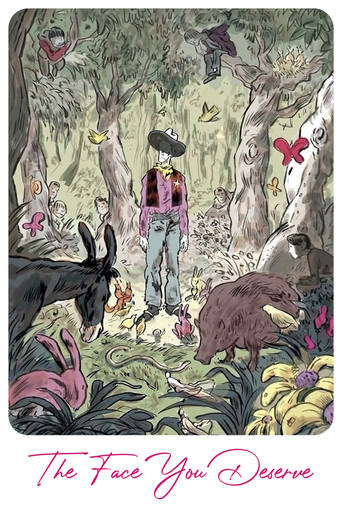
The Face You Deserve
Francisco, behave! I Know it's your birthday, you are thirty now, it's carnival, you've dressed as a cowboy for the school party and you are surrounded by kids you hate. But that's no reason to be so annoying... Francisco, repeat after me: "Up to your 30s you have the face God has given you. After that, you get the face you deserve".

Second Hand
Jorge is a loner and a writer of popular books. At night, he looks through other people's windows and thinks that they are truly happy.
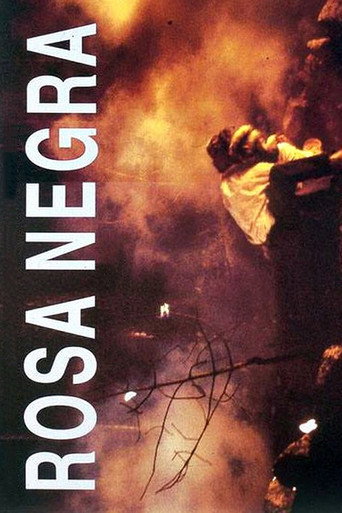
Rosa Negra
Fernanda, António and Quim are travelling by train to a provincial Portuguese industrial city. Fernanda, a teacher, agrees to replace a pregnant colleague. António is returning to the home he was forced to flee long ago, accused of setting fire to the Duarte’s factory. At the station he bumps into Mariana who is in love of him. António is not welcome and is violently attacked by a group connected to Duarte ...
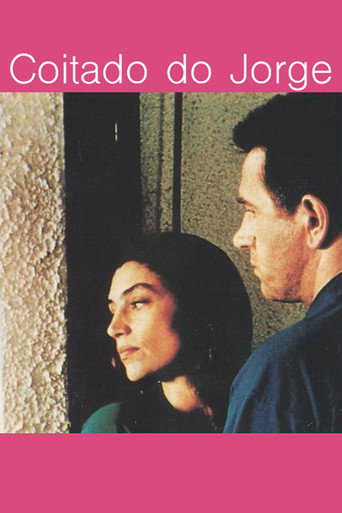
Poor George
One night Jorge will meet with a Japanese industrialist, who will allow him to abandon his teaching position and resume his chemical work. However, when he gets home he finds a person there.
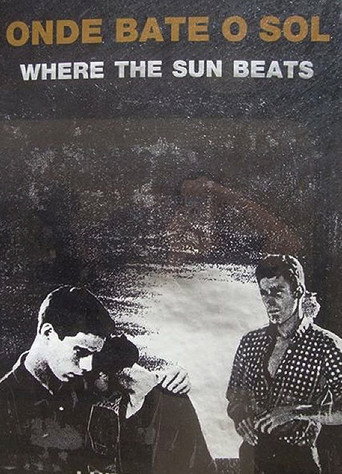
Where the Sun Beats
Laura lives in the country with her considerably older husband. When Nuno, her brother who study in Lisbon, pays a visit, he realizes that his sister does not have a happy life. He initiates a friendship with a worker on the farm. The circumstances turn Laura and Nuno against each other...
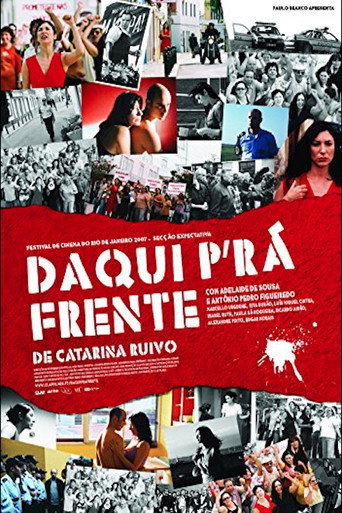
From Now On
Dora divides her time between her work as a beautician, her policeman husband António, and her involvement in left-wing politics. A tale of love and how we must learn to cherish it against all odds in the pursuit of happiness.
Water to Tabato
In mid-summer 2011, Paulo Carneiro and set out as assistant director for a film crew working on a project on the west African coast. There he unexpectedly ended up shooting his own film, a documentary report about a sinking ship near the coast of Guinea-Bissau on which he was a passenger. The digital camera records the growing panic on the ship after it has gotten stuck in the ocean in an oppressive nighttime atmosphere. In shaky interview footage, we see passengers move from an initial apathy to nervous anxiety, and from there fluidly to a fear for their lives. The growing tension on board is reflected in the film's ever quickening tempo.
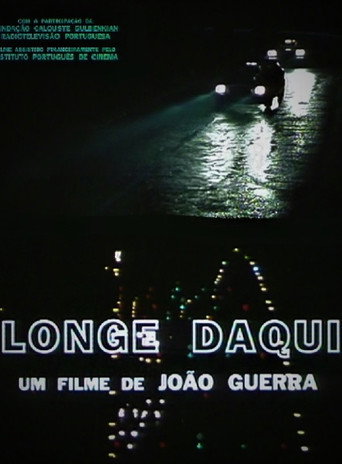
Far Away from Here
Catalyst in the story of crossed paths is a 1957 Ford Fairlane being driven through Portugal’s Alentejo region to a new owner. Film’s overly protracted opening has car’s drivers (Filipe Cochofel, Antonio Pedro Figueiredo) joy riding the night away until the roadster breaks down. Momentum picks up at sunrise with their attempts to fix the car. A retired mechanic-turned-beekeeper with a heart condition (Canto e Castro) does the trick and convinces Figueiredo to take him cross-country on a motorbike to look up an old friend. Cochofel and the mechanic’s alarmed niece (Maysa Marta) follow in pursuit. The old man dies peacefully on the road, but Figueiredo, having wholeheartedly grasped his deliverance mission, keeps going.
Production
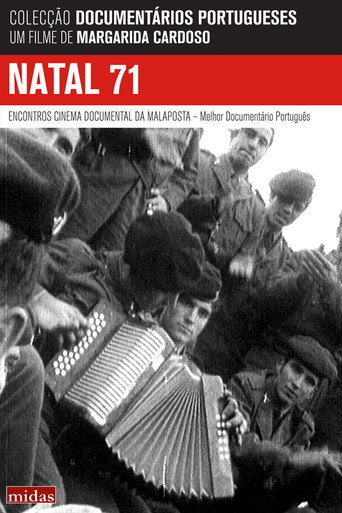
Natal 71
Natal 71 is the name of a record given to the soldiers of the portuguese colonies overseas for Christmas 1971. Niassa's Songbook is the title of an audiotape illegally recorded by soldiers during the war years, in Mozambique. They are memories from a country which was shut from the rest of the world, poor and ignorant, laid to sleep by a stale and primitive propaganda which tried to hide all the conflicts from us and kept us from thinking and recognising the repressive nature of the regime we lived in.
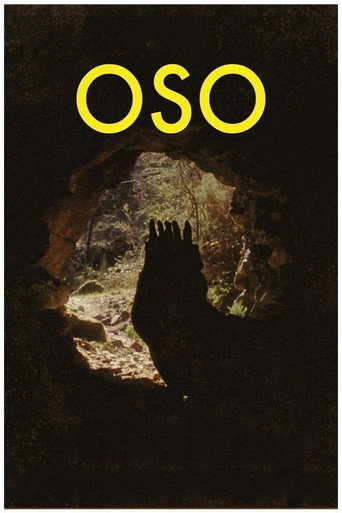
Oso
A bear is sighted somewhere in the northwest of Trás-os-Montes. The animal causes a natural uproar, but his existence seems to be called into question by some.
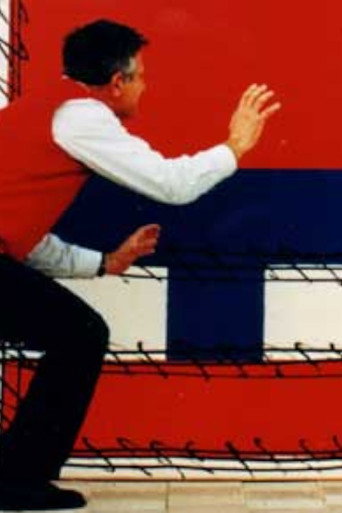
Joaquim Bravo, Évora 1935, Etc. Etc. Felicidades
Joaquim Bravo (Évora, 1935 - Lisbon, 1990) exhibited for the first time in 1964, inaugurating what would become one of the most decisive Portuguese galleries, the 111 in Campo Grande. Its doctrinal influence and its enormous capacity for enthusiasm would mark in the early sixties Évora's group of painters (Lapa, Palolo) and, in the 80's, artists such as Xana and Cabrita Reis. At his death, a moving tribute was paid to him by a huge and varied group of artists ranging from João Vieira to Miranda Justo. His work is scattered in a large number of private and institutional collections.

Fantasmas do Império
Ariel de Bigault's work has been connected to the routes of the Lusophone World. In Fantasmas do Império we are guided by the saotomean actor Angelo Torres through some works of the Portuguese cinema that explored its colonial past. Some directors as Fernando Matos Silva, João Botelho or Margarida Cardoso help to understand imperialism, colonialism, and propaganda seen through the "family album" which is the Portuguese cinematic collective imaginary.
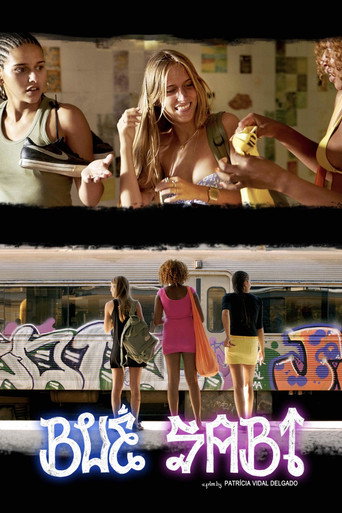
Bué Sabi
'Bué Sabi' (pronounced "bweh sabi") portrays the unlikely friendship of three female characters: a troubled girl of Gypsy descent who lives in one of Lisbon's toughest neighbourhoods, her best friend from Cape Verde and a young middle-class girl. Apart from their differences, they are good friends. Until one fateful night in Lisbon...
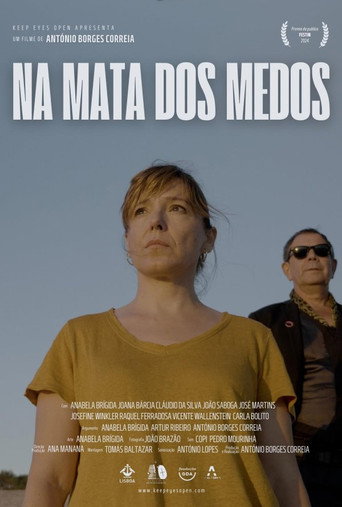
In The Woods
Alice, a recently widowed director, is alone on her grief after her daughter leaves home. Alice clings to the only structure she has, a fragile foundation at risk of collapsing: an essay film project, about first loves, dependent on funding. Suddenly we enter in another dimension, another place and without prior notice we are in the film conceived by the director.
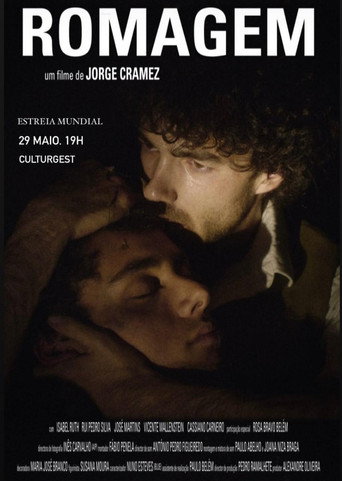

Love Love
Marta and Jorge have been a couple for seven years. All their friends think they are living a perfect romance. Too perfect, perhaps, for the despair of all: Bruno, who is much younger than Marta but madly in love with her; Lígia, who is Bruno's sister and Marta's best friend and would love to see her brother happy; Carlos, Jorge's friend, who maintains a superficial romance with Lígia while secretly in love with Marta; and for Jorge himself, who is afraid this idyllic romance will imprison him and, convinced that his love and his lover's desire to marry will take away his freedom, decides to show her the way into Carlos arms.
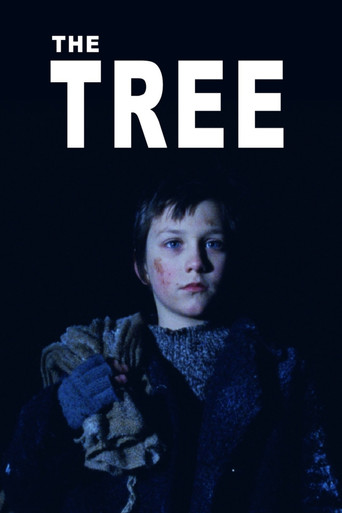
The Tree
A man, a child, two wars, a river, a tree. A man and a child meet under a tree on a river bank, sharing the same memory and a secret. They find in each other the serenity, the silence and the time they lost in the flowing water of the river.

31 Means Trouble
This is the way you hold the racket to play a forehand. Just move your arm back, the left shoulder facing the ball, step forward with your left foot, hitting the ball.”