Writing
No biography available.
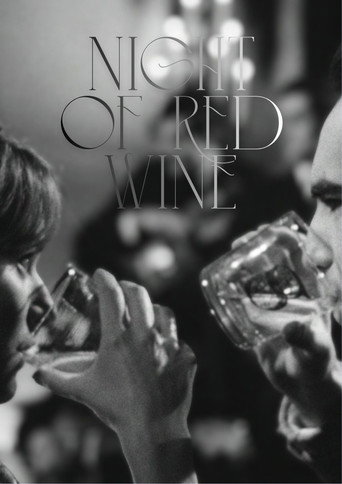
A man and a woman, both disappointed with their partners, meet by chance at the beginning of the night. They will spend the night together drinking red wine in Barcelona's Chinatown.
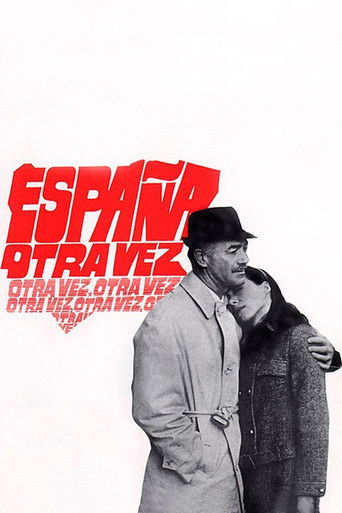
David (Mark Stevens) is a physician who returns to Spain 30 years after his involvement in the Spanish Civil War. Now a member of a medical convention, he looks up old friends and finds his former lover, now a married woman with a flamenco-dancing daughter. He and the daughter (Manuela Vargas) have an immediate and mutual attraction to each other. He considers running away with the exotic beauty before asking his wife to join him for an extended vacation after the convention .
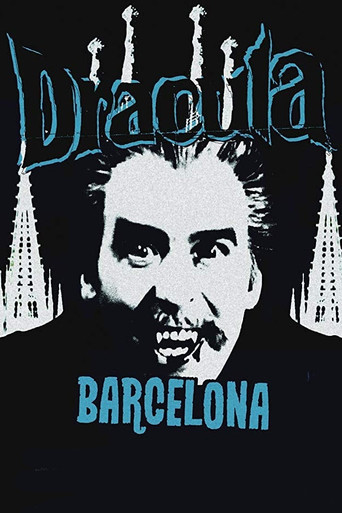
In 1969, Jesús Franco and Christopher Lee shot Count Dracula in Barcelona. At the same time, Pere Portabella became aware of this filming, vampirizing it in Cuadecuc, Vampir. Genre and Art-house films had never been so close. Drácula Barcelona tells the story of these two movies.
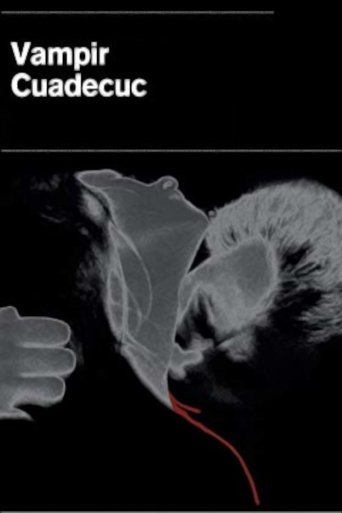
An atmospheric essay, which is an alternative version of Count Dracula, a film directed by Jess Franco in 1970; a ghostly narration between fiction and reality.
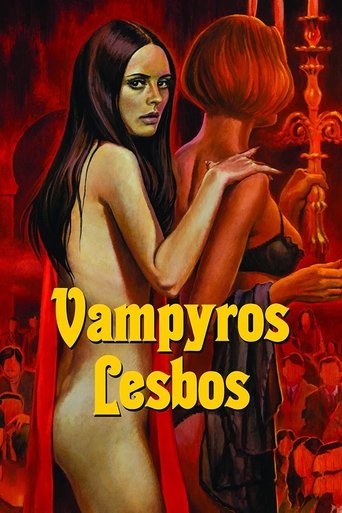
An erotic horror tale about a vixen vampiress seducing and killing women to appease her insatiable thirst for female blood.
The mountains of the South Asian country are covered with dense rainforest. A cobra, scorpions and other jungle creatures infest the jungle floor as Machado cuts his way through the undergrowth toward a gold mine.
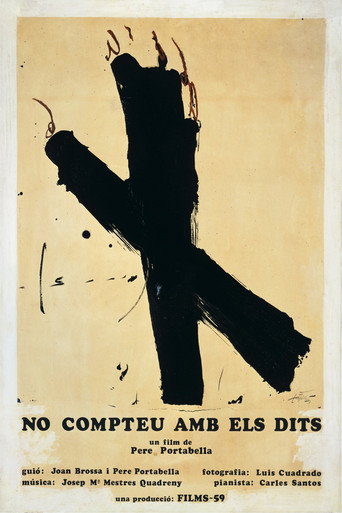
Pere Portabella’s first work as a director starts with the following phrase: “defeated…but not conquered”. This may or should be taken as an allusion to the technical K.O. taken by Portabella from Franco’s regime during the sixties as regards his work as a producer. Through the extremely raging playthings of the words of Catalan poet Joan Brossa, Portabella attempts to dismantle the forms of advertising discourse of that time.
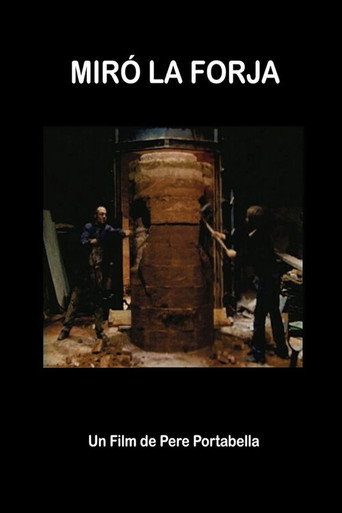
The film was conmissioned by the Galeria Maeght to commemorate the Joan Miró exhibit organized by the French Minsitry of Cultural Affairs in the Grand Palais in Paris that opened on May 17, 1974. The film, that took five days to shoot, shows the smelting and casting process of the work known as Puertas Mallorquinas by Joan Miró. The filming team travelled to the foundry owned by the Parellada family in Llinars de Munt.
Commissioned by the Maeght Gallery with the exhibition of Joan Miró, organized by the French Ministry of Cultural Affairs at the Grand Palais, which opened on May 17, 1974 in Paris. This film was shot in six days in Montroig del Camp (at the Miró) and Tarragona during the implementation process, by Josep Royo, a tapestry by Joan Miró. Five people worked for eight months in the realization of this tapestry, using wool 1200kg and 600kg for the warp. The total weight of 3500kg and a half was six meters wide by 11 meters long. They need a purpose built weaving loom. The day of the attack on the World Trade Center in New York on September 11, 2001, the tapestry was placed in the lobby of one of the towers when they were demolished.
The film is divided into two antithetical segments ‒ The first is made up of a couple of fixed shots of the pianist, Carles Santos, playing Chopin's Prelude in C-sharp minor, Op.45. The second segment shows him listening to this own recording from a loudspeaker until he dons the headphones, therefore letting silence take over the film and consequently also over the audience in the movie theatre. The lenght of the silent shot is for the duration of the prelude.