Production
No biography available.
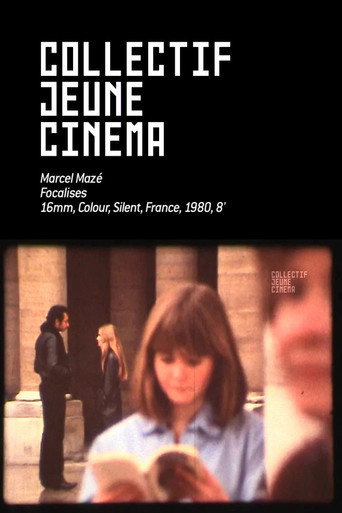
The film has been imagined in 1976 and realised in 1980. The idea was highlighting the depth of field throught the cinematic focus. The idea was also that in commercial movies the middle-distances are always blurred, sacrified, not seen, for the advantage of the focused foreground, tool of the narration.
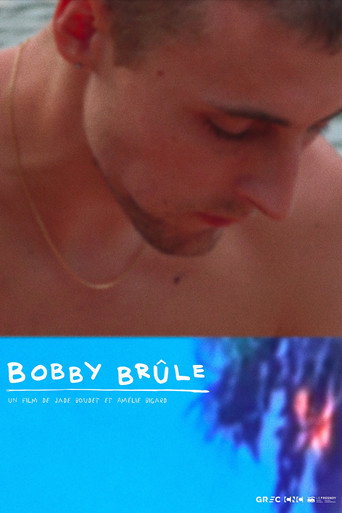
Dry grass, scorched earth, this is the end of summer. In La Valentine, a neighborhood in the north of Marseille, Bobby and Melo strive to exist through stories they're telling to themselves.
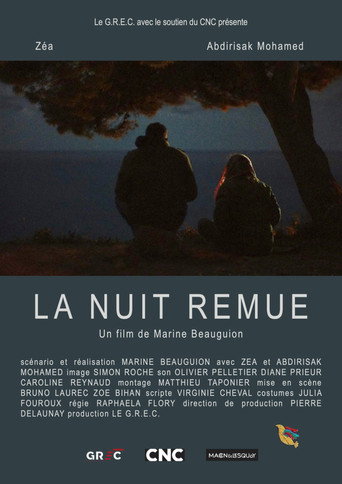
Outside, things are rumbling. We must go out, rebel, but it's too hard.
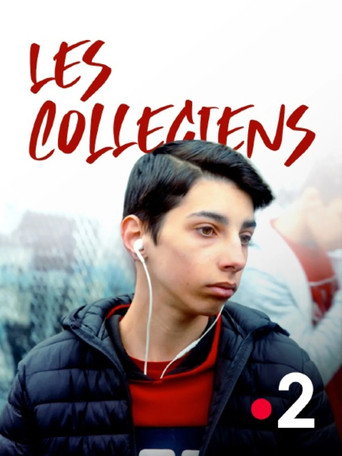
A college. His teachers and his students. His conflicts and his lies. His images and his words. His looks and his silences.
Lila suffocates in her brother's hospital room, she his the road. Vintimiglia. Women are loading a truck for a food distribution for refugees who try to cross the border. It's ramadan, they must eat before the prayer. Carrying bread loafs in her arms, Lila meets Youssef. Youssef doesn't speak a word of french and he's starving.
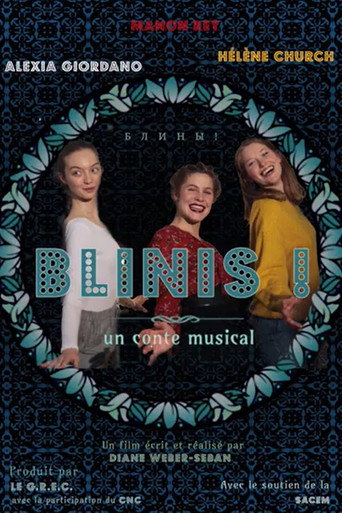
On a Sunday morning, a group of young revelers enter a large, vacated apartment. Tired drag queens mix with debauched grannies, drunken vagrants and shy virgins over the course of the morning.
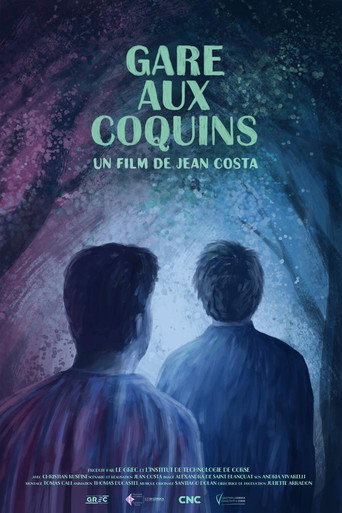
It's Tonio's first time in Corsica. He wanders across the island and on dating apps until stumbling upon the Oracle, a user who tells him about gay life in Corsica. Their conversation is reenacted with an actor who seems to connect deeply with the Oracle's story.
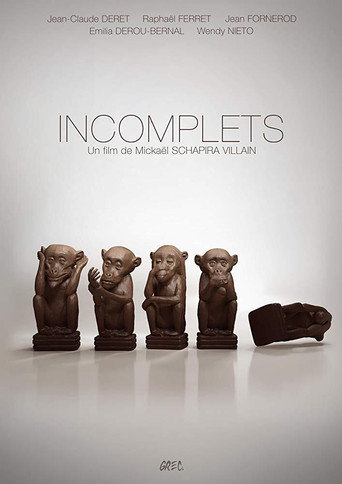
An old man, almost deaf, observing and listening to hospital patients. A 12-year old boy, with a pain-insensitive disorder, feeling like a super hero. A nurse, who lost all sense of smell, treating wounded soldiers during WWII. A mute man about to become a father. And a young lad into a coma surrounded by his owns. Five stories in one film, five characters facing their disabilities.