Acting
No biography available.
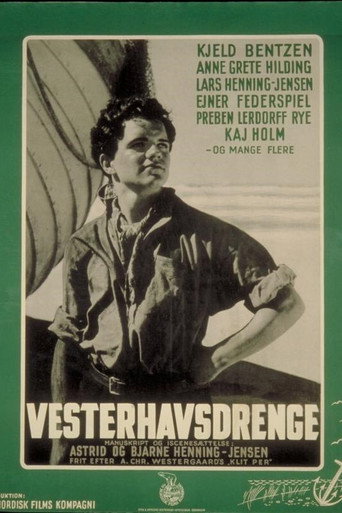
Per Brask is a fisherman's son, a lively 16-year-old boy, still too young to go out to sea, even though, like other boys on the west coast, he has to help out with the daily work. He is mostly preoccupied with playing, while dreaming of getting his own boat. The boys from the dunes are in a constant battle with the fjord boys, or land crabs – usually just called crabs – who are the boys from the village by the fjord or from the farms further inland.
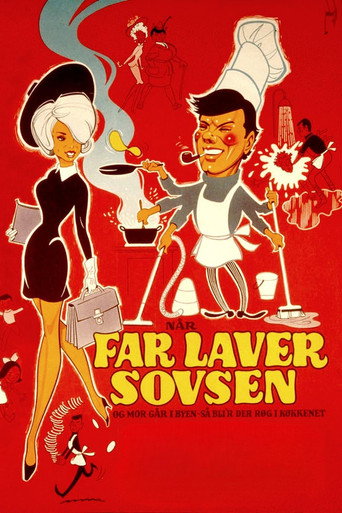
Herbert and Bitten live in a lovely house, happily married with two children. Herbert is a teacher at a secondary school, and he writes poetry in his spare time. Bitten is an engineer at a tie factory. Their home only functions thanks to their housekeeper, Mrs. Jørgensen. When Mrs. Jørgensen is confronted with her greatest fear—a live mouse—she leaves the home, never to return. Now there is only one thing to do: Herbert must give up his job and become a stay-at-home dad.
The mysterious, impoverished Count Virtus (Federspiel) realizes his dream of a life at sea, and his young servant Kent (Springborg) must endure much pain before he finds happiness.
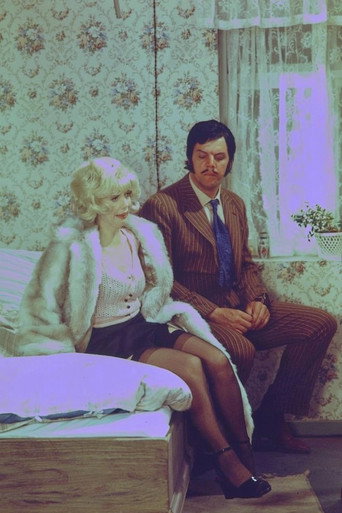
In the wake of a divorce, Thelma now lives alone with her teenage daughter Irene. Somewhat overwhelmed by the situation (and initially often hiding in bed), the two women embark on new experiences. The contours of new identities and a firmer footing as individuals gradually emerge.
A different kind of Danish film about Denmark, the Danes, and everyday life in Denmark. An episodic film consisting of different storylines, which are linked together by several smaller scenes.
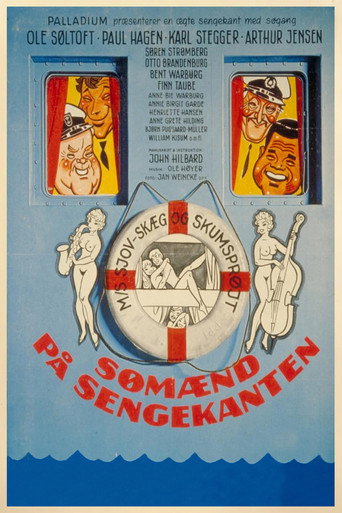
In this Danish sex comedy, a young woman pretends to be a man in order to win a job as machinist's mate on a freighter. When she is discovered, they are already at sea.
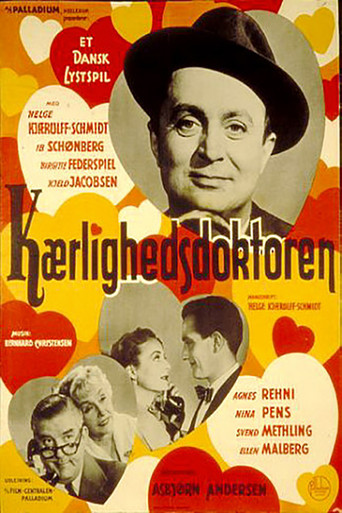
In "Ugens Ekko," the editor's greatest asset is "Aunt Oda," the renowned "love doctor" who provides the magazine's readers with advice and guidance on matters of the heart every week. Only those in the know are aware that "Aunt Oda" is in fact the young poet Ambrosius Hansen, who once impressed editor Vestergaard with some words about women.
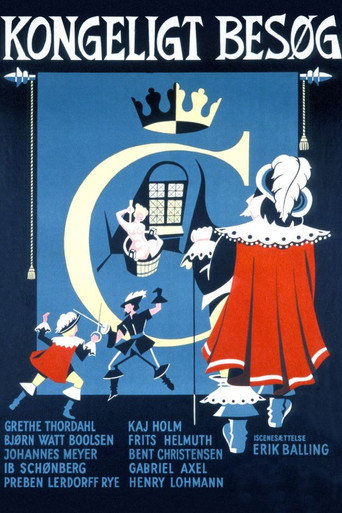
In the year 1646, Denmark is at peace. Only recently have the last occupying troops left Jutland, leaving behind the sad traces of iron heels. The administration has partially collapsed, the kingdom is short of money, and what money there is is unevenly distributed. This is the unusual and sad background to this unpretentious account.
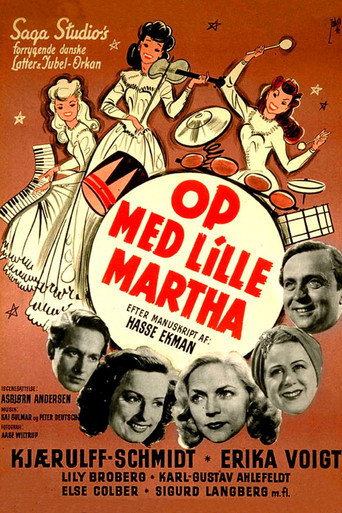
To get a job in a female trio, Per Fagernæs dresses up in women's clothing and calls himself Martha. Together with his "boyfriend" Poul, the four of them travel to the countryside. Martha immediately gets an admirer, which she is not particularly happy about. Martha is drawn into the women's movement by the mayor's wife, and at a women's rights meeting she is nominated as a candidate for parliament. Later, she is elected, beating the mayor of the town by one vote. Meanwhile, both Martha and Poul are having problems with love, as they have both fallen in love with two real women from the trio. But how do you declare your love when you are engaged to Martha, and how do you get rid of Martha?