Anna Györgyi Movies, TV Shows, and Filmography
Anna Györgyi
Acting
Biography
No biography available.
Filmography Movies
Acting
Total Eclipse
A cross-section of the relationship between the two great figures of French symbolism, Arthur Rimbaud and Paul Verlaine.
Not Safe For Watching
Janka's family is like rotten fruit. It's beautiful on the outside, but the deeper you peel its layers, the less beautiful it becomes.
Earthly People
Abel, 12, has to face the fact that his parents are living in two completely different galaxies of the universe. Now he has to decide which one he belongs to.
The Singer
In the early 1950s, a talented singer tries to defect to Italy with her football player lover, but is caught by an informant, so they have to pay hard for this anti-system act. Vince Nagy and Vali Szalai are a happy loving couple. Vince is a rising footballist, Vali is a singer. The socialist regime chose Vince to make an example of him: he has to leave the country immediately or broke up with Vali. They chose to leave together, but the escape fails, they get in prison.
Semmelweis
Set in 19th century Vienna, Ignac Semmelweis, a short-tempered but passionate doctor, delivers babies and carries out autopsies on a daily basis while looking for the cause of puerperal fever, the mysterious epidemic that decimates patients in the hospital.
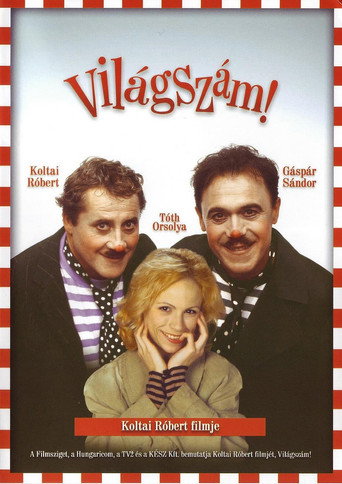
Világszám!
"Colossal Sensation!" sees the history of Hungary in the 20th century through the eyes of twin circus clowns. For them, as for all Hungarians, it is a story of feast and famine, nostalgia and regret, suffering and triumph, although not all Hungarians had the misfortune (or was it the opportunity?) to destroy a wristwatch personally given to the Hungarian Party Leader by Stalin himself. - Roger Ebert
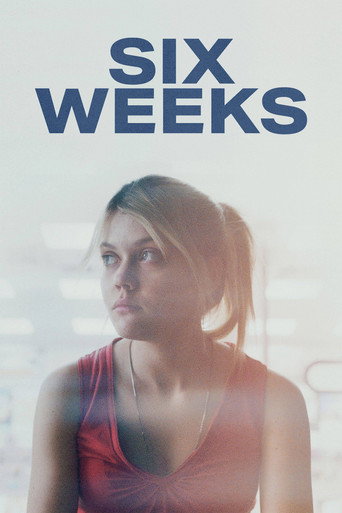
Six Weeks
Zsófi, a rebellious teenager, lives in a tiny flat with her little sister, Mesi, and her unstable mother, Bea. Zsófi discovers late that she is pregnant and decides to give up her baby through open adoption to an infertile couple. Bea cannot accept her daughter’s decision, but she does not realize that neither Zsófi, nor the circumstances, are suitable to welcome a newborn. Zsófi has always had to behave like a grown-up, working and making sensible decisions, instead of her mother and for her sister. She is still in high school and her only advantage is her table tennis career, for which she works assiduously. She plans the adoption thoroughly with the help of a social worker. Following the birth, she is given six weeks by law to change her mind and ask for her child back. She seems to be able to control her feelings ruthlessly and continue towards the goals she has set. At the same time, her maternal feelings intensify, doubts arise, and she slowly begins to question her decisions.
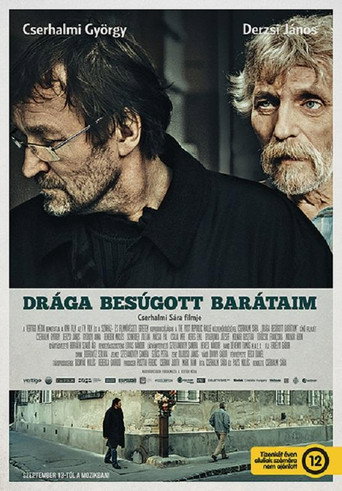
Dear Betrayed Friends
Andor Czettl, in his early sixties, visits the secret service archives one day to read into the reports about himself and discovers a shocking fact. His very best friend János Pásztor was an informer, spying on him and writing reports about him for decades. Sára Cserhalmi's first feature focuses not so much on the actual problem of informing and betrayal as on the contradictory relationship of the two protagonists. It avoids any final judgments. First and foremost, it seeks answers to questions like how an informer can live in our present times and how the one being reported on can cope with this state. Can a close friendship that began decades ago last if such betrayal comes to light? How can someone live and cope with this fact?
Gallery