Anna Caterina Antonacci Movies, TV Shows, and Filmography
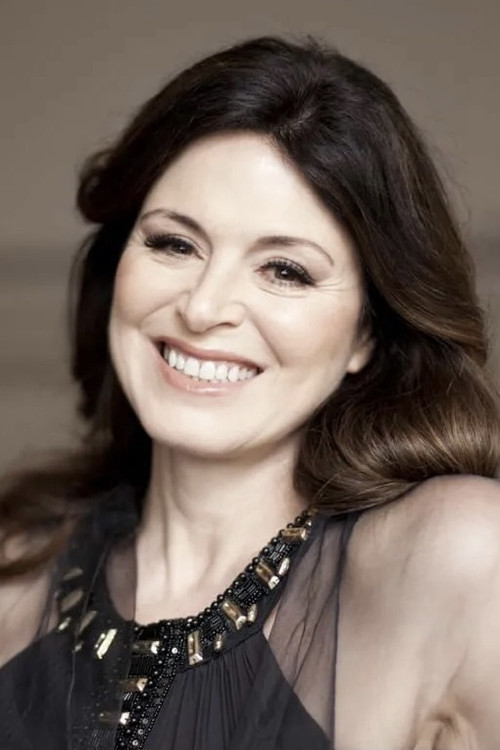
Anna Caterina Antonacci
Acting
Biography
Anna Caterina Antonacci is widely acknowledged as a major artist, and her extraordinary vocal timbre and great acting skills have enabled her to perform a vast and varied repertoire in the world's most important theatres. She has scored notable personal success as Cassandre (Les Troyens) with Sir John Eliot Gardiner at the Théâtre du Châtelet Paris, Incoronazione di Poppea at the Théâtre des Champs Elysées, as well as the title role in Medea in Toulouse, at the Teatro Regio Turin and the Châtelet, Paris. Her debut in a new production of Carmen at the Royal Opera House in Covent Garden conducted by Antonio Pappano was a huge triumph, performed also at the Opera Comique conducted by John Eliot Gardiner, and was a precursor to her return to London as Cassandre (Les Troyens) at Covent Garden and the BBC Proms. Also revered for her interpretations of Berlioz' vocal works, performances have included La Mort de Cléopâtre with the Rotterdam Philharmonic conducted by Yannick Nézét-Seguin, with the Hong Kong Philharmonic conducted by John Nelson and with the LPO again with Nézét-Seguin. Anna Caterina has been honoured with the 'Chevalier de l'Ordre National de la Légion d'honneur' by the French Republic, which is the highest national distinction one can receive. Her first recording, Era la Notte for the Naive label received great acclaim. She has also recorded L'Alba separa dalla luce l'ombra for Wigmore Live, with her pianist Donald Sulzen, featuring songs by Tosti, Cilea, and Hahn.
Filmography Movies
Acting
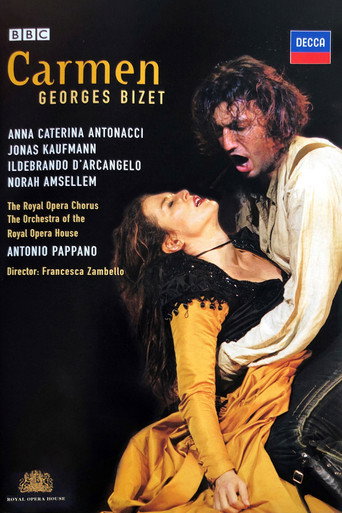
Carmen
Jonas Kaufmann and Anna Caterina Antonacci bring rare erotic intensity to the drama of Don José and Carmen in this darkly passionate reading of one of the most popular operas. Kaufmann uses his burnished tenor and smouldering good looks to portray the man undone by Carmen's love. As the object of his desire, Antonacci gives a physical and compelling performance.
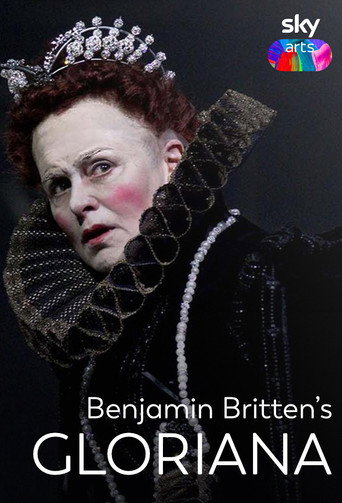
Gloriana
Performed at Madrid's historic Teatro Real in 2018, Ivor Bolton conducts Benjamin Britten's opera based on Lytton Strachey's 1928 Elizabeth and Essex: A Tragic History. In her repeated clashes with the Earl of Essex-a longtime favorite of the queen who was ultimately put to death for treason-Elizabeth I is depicted as flawed and vain, human and sympathetic.
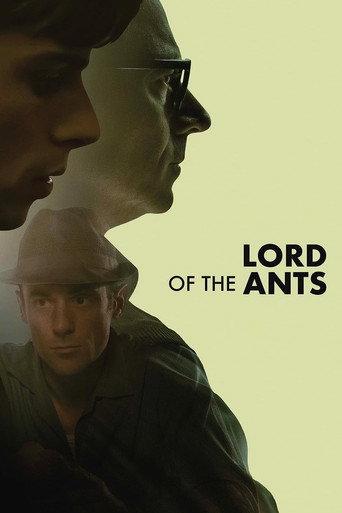
Lord of the Ants
Based on true events of the late 60s in Italy, poet, playwright and myrmecologist Aldo Braibanti is prosecuted and sentenced to prison for the love he shares with his barely-of-age pupil and friend, Ettore. Amidst a chorus of voices of accusers, supporters and a largely hypocritical public, a single committed journalist takes on the task of piecing together the truth, between secrecy and desire, facing suspicion and censorship in the process.
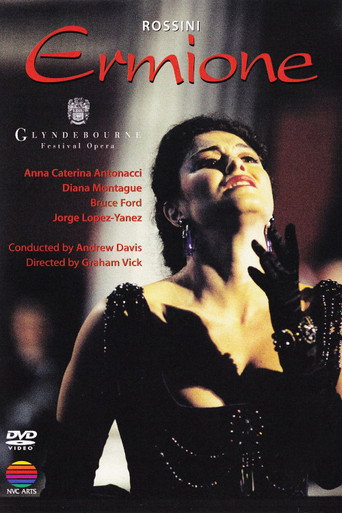
Ermione
Recorded at the Glyndebourne Festival Opera in 1995, this acclaimed presentation of composer Gioachino Rossini's epic opus ERMIONE is based on Jean Racine's play "Andromache." Set in Troy after the city fell to the Greeks, the production recounts the rancorous battle between widow Andromache and Helen of Troy's green-eyed daughter, Ermione for the love of Pyrrhus
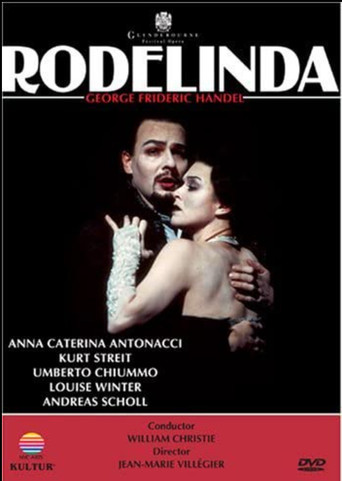
Rodelinda
Jean-Marie Villegier's modern interpretation of Handel's "Rodelinda" – filmed live at the world-renowned Glyndebourne Opera House in the United Kingdom, sets the timeless tale of jealousy and treachery in the black-and-white world of the silent-movie era. Soprano Anna Caterina Antonacci sings the title role of Rodelinda, with tenor Kurt Streit and bass Umberto Chiummo performing the parts of Grimoaldo and Garibaldo, respectively.
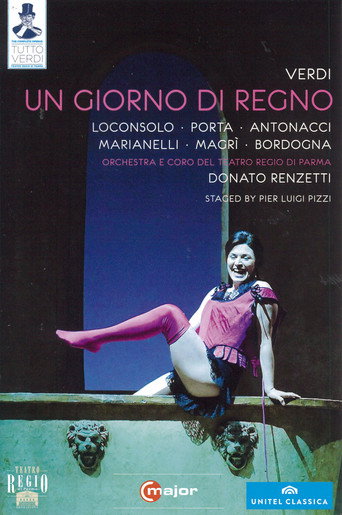
Un giorno di regno
Part of Tutto Verdi series - Un giorno di regno (2010) Parma. 'Un giorno di regno, ossia il finto Stanislao' ('A One-Day Reign, or The Pretend Stanislaus', but often translated into English as 'King for a Day') is an operatic melodramma giocoso in two acts by Giuseppe Verdi to an Italian libretto written in 1818 by Felice Romani. Originally written for the Bohemian composer Adalbert Gyrowetz, the libretto was based on the play 'Le faux Stanislas' written by the Frenchman Alexandre Vincent Pineu-Duval in 1808.
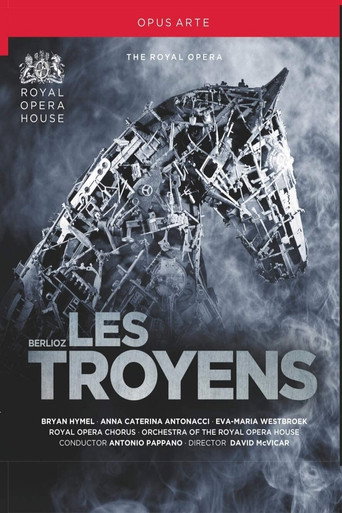
Les Troyens
After the destruction of Troy, the Trojan warrior Énée sets out on a journey to found a new dynasty. He meets Didon, Queen of Carthage, and falls in love. But will Énée's love for Didon prove stronger than his sense of duty? LES TROYENS ('The Trojans') is a tour de force of music that ranges from fiery military marches to intense choruses, passionate soliloquies – such as those of the prophetess Cassandre – and the lyrical love duets of Didon and Énée. It is Hector Berlioz's largest work and he wrote the libretto himself, drawing upon his intimate knowledge of Virgil's Aeneid. To the composer's disappointment, LES TROYENS was only performed once in full during his lifetime and was often presented in shortened form during the 20th century. The Royal Opera's production provides a rare chance to see this epic work in its entirety. David McVicar's staging is on an enormous scale, assembling one of the largest casts ever seen at Covent Garden.
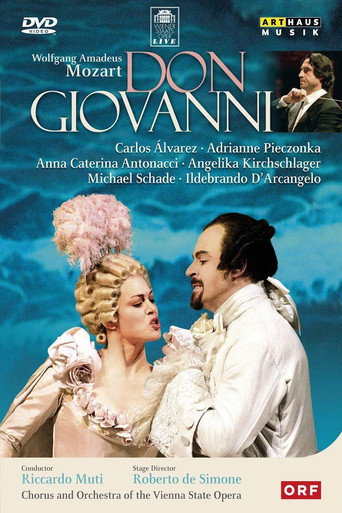
Don Giovanni
Wolfgang Amadeus Mozart's Don Giovanni is performed live at the Theater an der Wien in this 1999 production starring Carlos Alvarez in the title role and featuring the music of the Choir and Orchester der Weiner Staatsoper performing under the guiding wand of conductor Riccardo Muti.
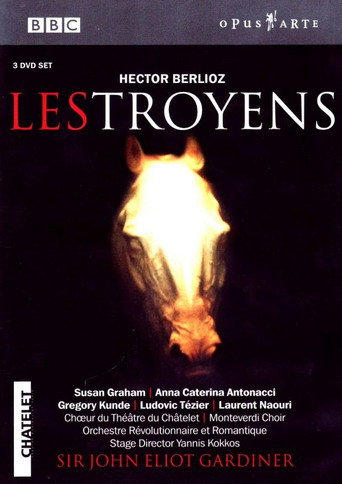
Berlioz: Les Troyens
This epic opera follows Virgil, beginning as the Greeks appear to have ceded the field after ten years of the Trojan War. Cassandra tries to warn of the terrible fate to come, but fate is set and Troy falls. The first two acts cover this tragic end, then the flight of survivors to Carthage and events at Carthage continue in acts 3 - 5, culminating in the further voyage for Italy and Rome. This is Virgil's classic epic, in operatic form, in about a three and a half hour performance from French Opera.
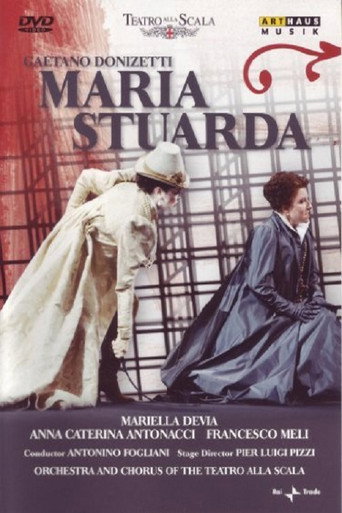
Gaetano Donizetti: Maria Stuarda
Two queens on one island. A recipe for disaster. Especially as both have a legitimate claim to the other's throne. They are, after all, related... So the power politics are the name of the game. And, for reasons of state, one of the heads that wears a crown has to roll. Maria Stuarda was laid to rest for more than a hundred years, finally being revived in 1958 in Bergamo under conductor Oliviero de Fabritiis. However the real breakthrough for the opera finally came with Giorgio de Lullo's Florentine production for the Maggio Musicale in 1967 (with set design and costumes by Pier Luigi Pizzi, director, set designer and costume designer at La Scala in 2008). As the two queens, Leyla Gencer and Shirley Verrett, set the vocal standards. Since then, the triumph of Maria Stuarda has been unstoppable.
Gallery