Writing
No biography available.
In 1987, a group of students broke the Pantheon of dead anti-fascists in the sea garden of Burgas. Due to the public position and the authority of the parents, the incident was hidden, and the photos of the documentary investigation were suspended.
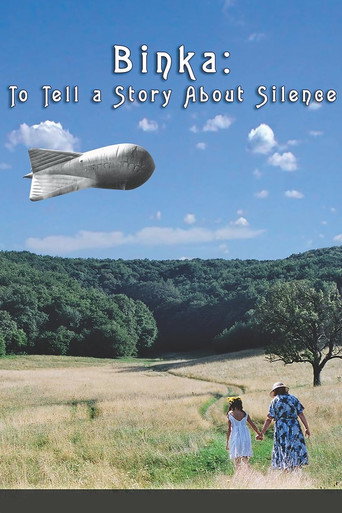
A film pioneer, Binka Zhelyazkova was at the forefront of political cinema under Bulgaria's Communist dictatorship. Though she remained faithful to the communist ideals she became an avid critic of the regime and brought upon herself the wrath of its censorship. As a result four of her nine films were shelved and released to the public only after the fall of the regime in 1989, and Binka Zhelyazkova became known as the bad girl of Bulgarian cinema. A provocative portrait that reveals the pressures and complexities that arise when art is made under totalitarianism.
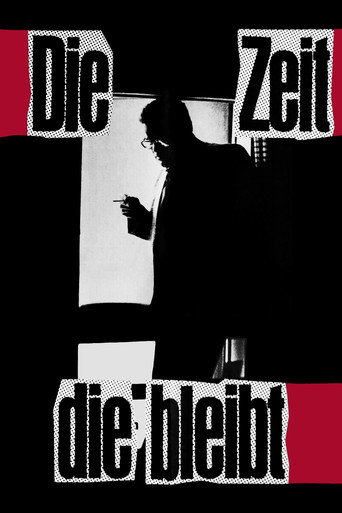
A documentary about German director Konrad Wolf (1925–1982).
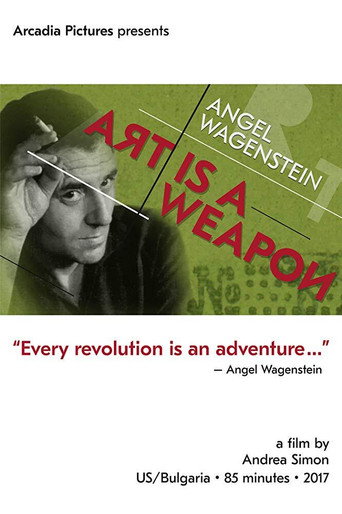
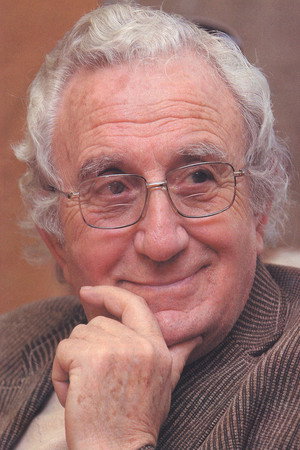
As a teenager in wartime Bulgaria, Wagenstein commanded a daredevil Jewish partisan brigade, surviving capture and torture by fascist police. At 94 years old, screenwriter, author and revolutionary Angel Wagenstein offers an account of his life in film and politics. Film clips contextualize historical moments and history contextualizes the films as Wagenstein provides witty and insightful commentary throughout.
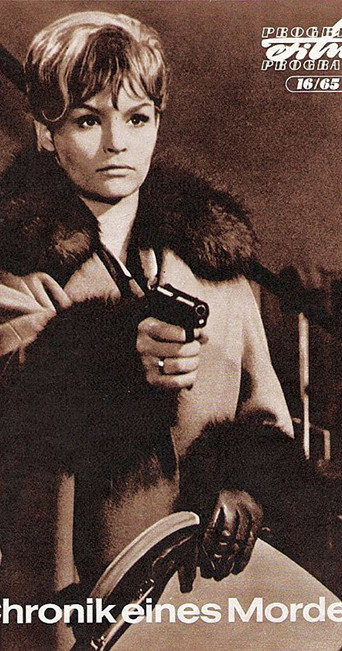
In the mid-1950s, mayor Zwischenzahl is killed on the day of his inauguration in a West German town. The killer is Ruth Bodenheim, a Jewish woman, who wanted to avenge the death of her parents. Zwischenzahl, a former SA member, was apparently involved in the deportation of her parents to a concentration camp during the war. Ruth cannot bear the horrible events and the death of her parents and wants to open the eyes of the town′s residents.
A shy snowman is smitten by a little girl and refuses to leave her when spring comes.
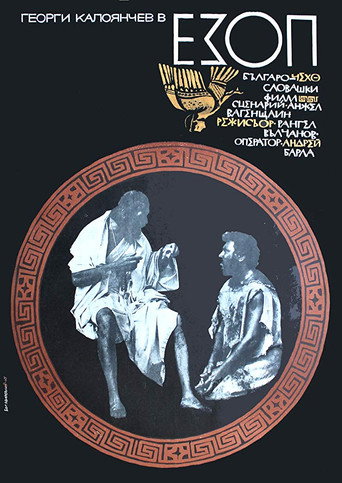
This film brings us back to show us the life of the famous ancient sage Aesop, who helped people with his wisdom in their struggle for freedom and happiness.
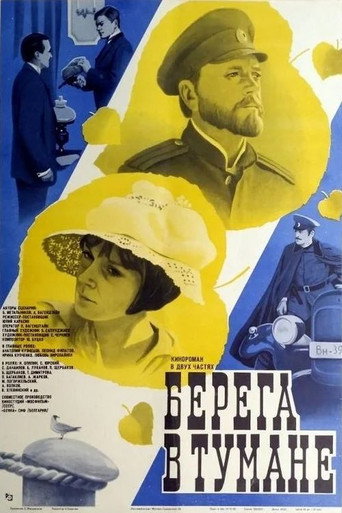
Fall, 1921. Wrangel's army, defeated in Crimea after a short stay in Turkey, found refuge in Bulgaria. White Guard Colonel lives here with his son and daughter, while his wife and youngest daughter were sheltered by the family of the Bolshevik, who've been sent to Bulgaria for propaganda work among Russian soldiers.
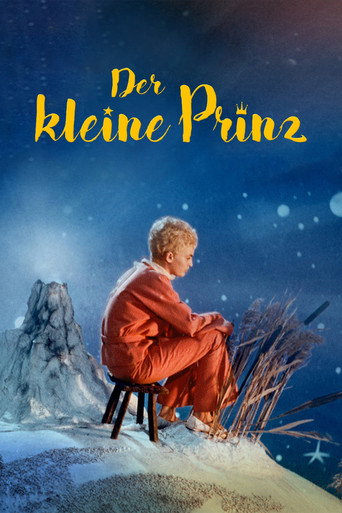
Adaptation of Antoine de Saint-Exupéry's novella for East German television, produced in 1965/66, not shown until 1972.
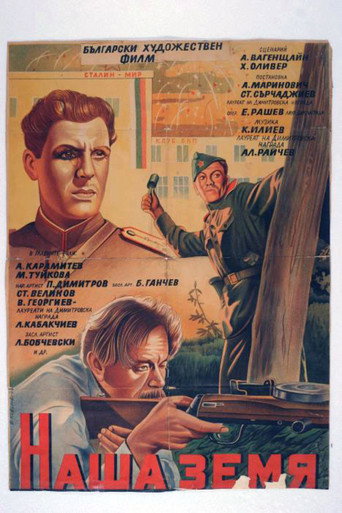
Captain Velkov was sent chief of a border post near the village of Novi Izvor, where he was a partisan. In Novi Izvor a celebration is being prepared to mark the switching on of the electricity. Saboteurs cut the cables, killed the watchman and set fire to the machinery on the farm.
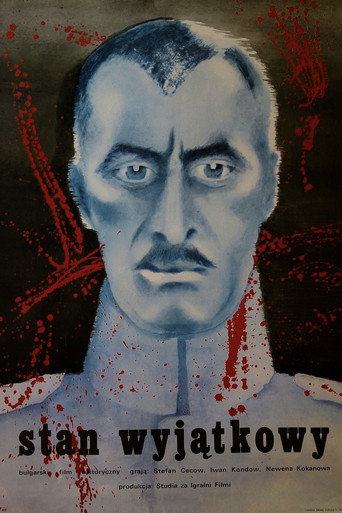
In the aftermath of a failed assassination attempt on the Bulgarian Tsar in 1925, a wave of “white” terror ensues, leading to widespread blacklisting and atrocities, while the filmmakers critique the social system that drove ultra-left forces to terrorism, drawing parallels to contemporary global events.
Stationed in a secluded Bulgarian village in 1943, Walter – a German Wehrmacht sergeant and artist – lives in almost idyllic distance from the war. Then a transit camp is set up for Jews arriving from Greece. When Ruth, one of the internees, asks Walter to help a pregnant woman, the two form an unlikely bond.
People from all over the world spend their summer holidays at the Black Sea. German Walter and his girlfriend Gisela check in at the hotel as spouses. Walter uses the passport of his wife. The police find the body of a young woman washes up by the waves. Inspector Damyanov begins an investigation. Walter is not under suspicion, but he is ill at ease. It is because of his wife passport? Ex-Nazi officer Kunze has his own little secret and causes for worry. Dutch musician Jan has something on his conscience, too, after a little love with a Bulgarian girl. Having penetrated the unsavory secrets of all those people, Damyanov leads them to the conviction that it is difficult to live a life of deception.