Acting
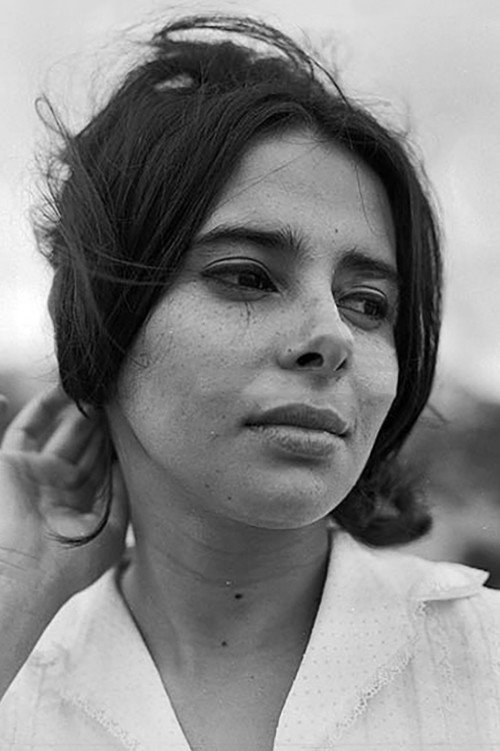
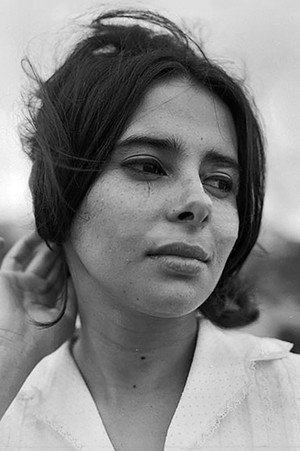
Anecyr de Andrade Rocha (Vitória da Conquista, October 26, 1942 – Rio de Janeiro, March 26, 1977) was a Brazilian actress who worked in cinema, television and theater.
"Portraits and excerpts from Brazilian films from all times. Actors, directors and images that affirm cinema."
An ubiquitous folk singer narrates the tale of a young boy, who apparently becomes immune to gunfire after his mother arranges for him to have an amulet bearing Ogum's blessings. As time goes by, he becomes a valuable member of a mobster's hit-team, but ends up joining a group of people who resist his original employers.
An anguished university student in his early 30's ponders the state of his life in light of his relationships with a politicized classmate, a TV actress selling the image of a femme fatale and his bourgeois sister.
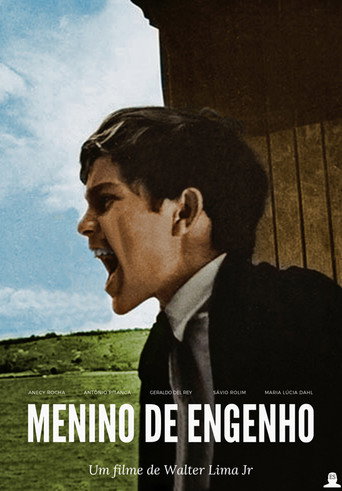
After being orphaned, a boy is raised by his grandfather and uncles, rich rural landowners, on a sugarcane plantation where he grows up, studies, learns about politics, love and disillusionment.
Year 2000. Brazil was partially devastated by the Third World War. An immigrant family arrives in a small town, which they call "I Forgot." The trio is recruited by an indigenist to pretend to be indigenous during the visit of a general. In the dilemma of integrating into the system or preserving individual freedom, the family moves toward disintegration as the city prepares to launch a space rocket.
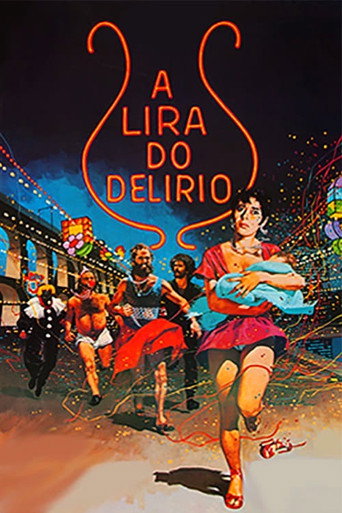
During the Carnival, in Niterói, the son of a Lira do Delírio nightclub dancer is kidnapped. With the help of a journalist friend, she dives into Rio de Janeiro's underworld and meet all kind of criminals. She also goes back in time, to a past carnival, where she thinks she might pin-point the culprit among a group of people.
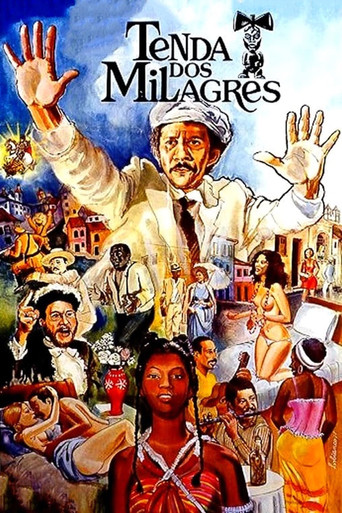
When a prominent U.S. Nobel Laureate arrives in Salvador, Bahia, the city with the largest black population in Brazil, he stirs emotions by championing a long-forgotten local writer named Pedro Archanjo, who believed that humanity would be improved only through miscegenation.
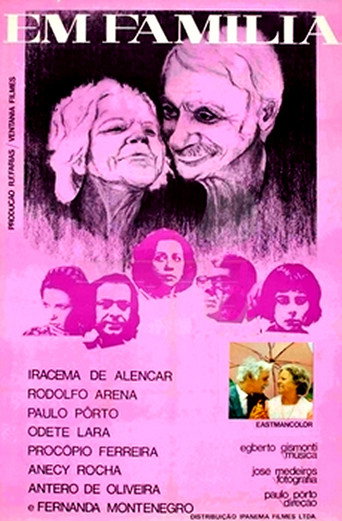
Old couple are being evicted and turn to their five children for help. Since no one can accommodate the two of them, the children decide to separate the couple.
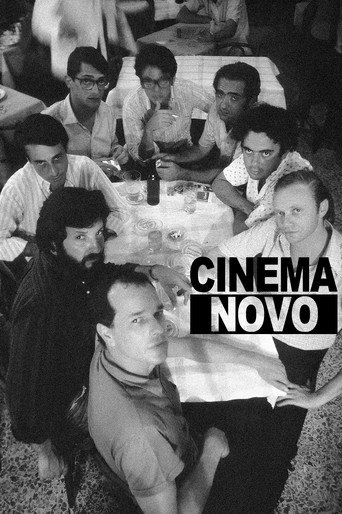
Originally produced for German TV, Improvised and Purposeful is a firsthand look at the "Cinema Novo" movement (otherwise known as the 'Brazilian New Wave'). Director Joaquim Pedro de Andrade focuses on six Cinema Novo filmmakers working in Rio in 1967.
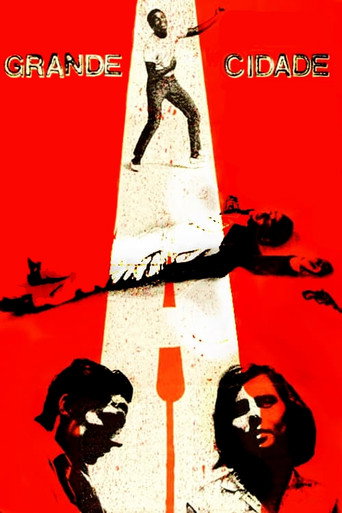
In search of a better life, Luzia leaves the Northeast of Brazil and goes to Rio de Janeiro, looking for her fiance who went first to pave their way. Alone in the Marvelous City, she is forced to accept the friendship and protection of Calunga and, later, the company of Inácio.