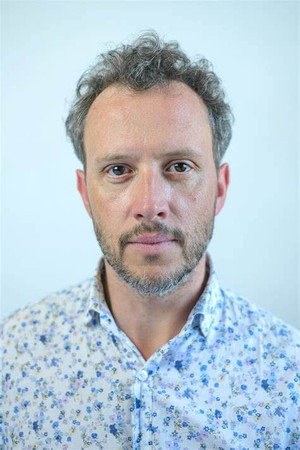
Andrzej Deskur Movies, TV Shows, and Filmography
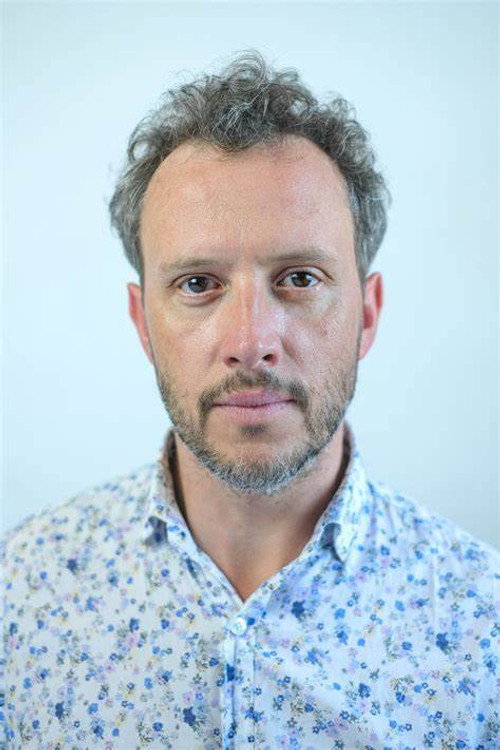
Andrzej Deskur
Acting
Biography
No biography available.
Filmography Movies
Acting
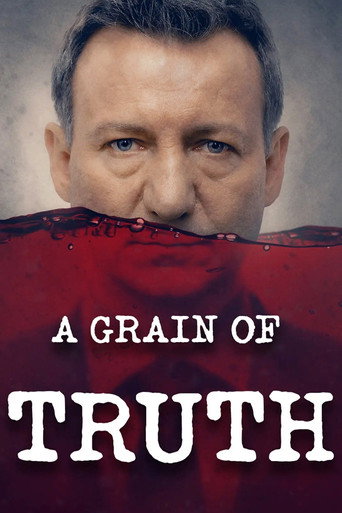
A Grain of Truth
A big shot prosecutor Teodor Szacki divorces his wife and leaves Warsaw to “start a new life” in picturesque town in southeast Poland Sandomierz. After a short while he is called in to investigate a strange and mysterious murder case. Alienated in provincial reality he struggles to find a killer, when he stumbles upon more victims. While the investigation continues he realizes that all murders are connected to alleged historical Jewish ritual killings. Those murders prompt a wave of antiSemitic hysteria in the town. In his investigation Szacki must wrestle with the painful tangle of PolishJewish relations and real findings of his work that roots of some legends arefantasy, not a grain of truth…
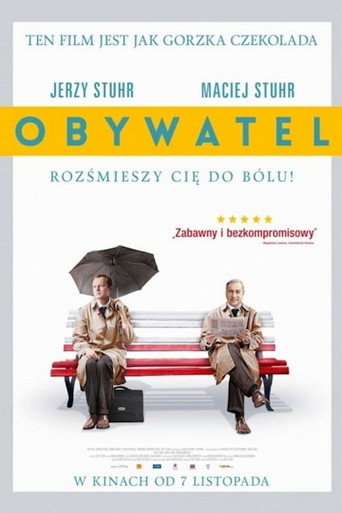
Citizen
An attempt at depicting the life of a generation born and raised in communist Poland; a generation that lived through all the stages of that system and made it to democracy. Throughout his life, the film's protagonist has always tried to be active, but something always got in his way, either through an absurd coincidence, as a result of his own lack of ability, or due to the unpredictable nature of certain events in our recent history.
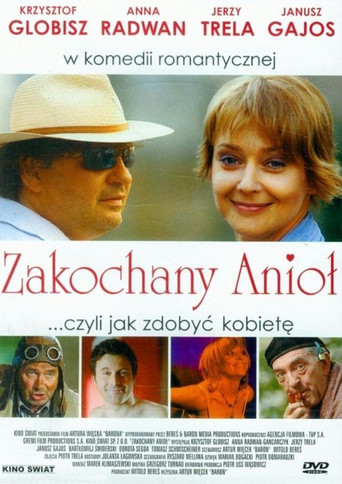
Angel in Love
Giordano, an angel assigned to an orphan in Krakow, is two years into the job when his celestial overseers, citing budget cuts, initiate "Phase Two" without telling him. Some changes are good - they send him a nanny, the enterprising Irena; some are bad - his phone number to Heaven no longer works nor do his special powers; and some dismay him - he grows a penis. His closest friend tells him to get a woman, and Irena advises him on hygiene. He visits a therapist, Roma, and falls in love with her. She tells him its transference. Meanwhile, Giordano's celestial friends conspire to rid Roma of her boyfriend, clearing the way for Giordano to be his naive and engaging self.
To the Offspring
The tragic life of five Warsaw poets who died during the World War II: Krzysztof Kamil Baczyński, Tadeusz Gajcy, Zdzisław Stroiński, Andrzej Trzebiński and Wacław Bojarski.
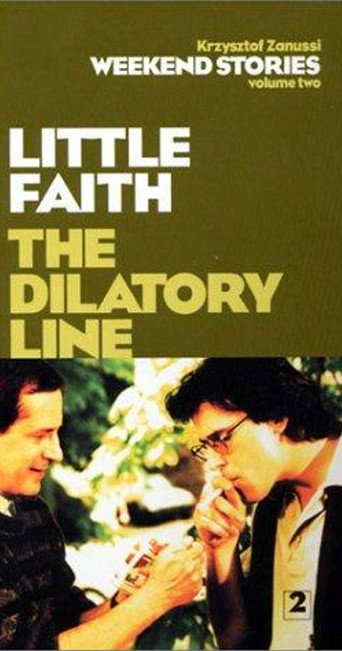
Weekend Stories: Dilatory Line
A young TV producer struggles with his conscience when he becomes convinced that his TV program is covering up a lie, but the more he tries to reveal the truth the more uncertainty he discovers.
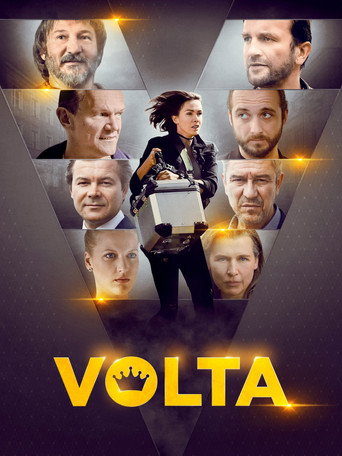
Volta
A woman stumbles upon a valuable artifact, the crown that belonged to Casimir the Great.
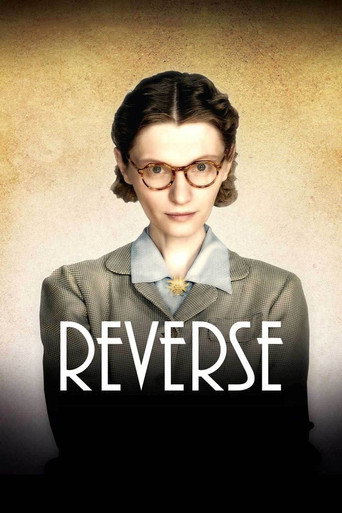
Reverse
A story about women, set in the present and in 1950s Warsaw. Sabina, a quiet, shy woman who has just turned thirty lacks a man in her life. Her mother knows all about it and tries at all costs to find her daughter a good candidate for a husband. The whole situation is controlled by the grandmother, an eccentric lady with a sharp tongue from whom no secrets can be kept.
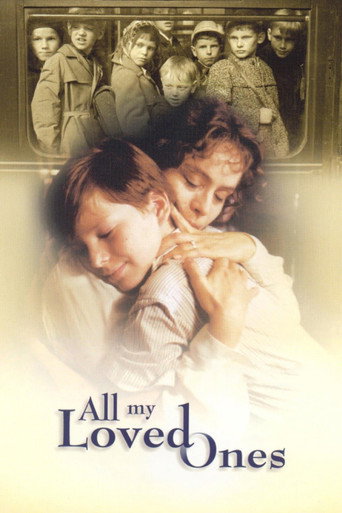
All My Loved Ones
Told from the perspective of man reflecting on his childhood in Prague in the early years of World War II and the eventual destruction of his family as the Nazis rise to power. The storyline focuses heavily on Jewish-Czech Silberstein family members. Drama was filmed on the real events as a tribute to Mr. Nicholas Winton, the British humanitarian who organized the rescue of 669 children, most of them Jewish, from Czechoslovakia on the eve of the Second World War in an operation later known as the Czech Kindertransport from German-occupied Czechoslovakia and likely death in the Holocaust.
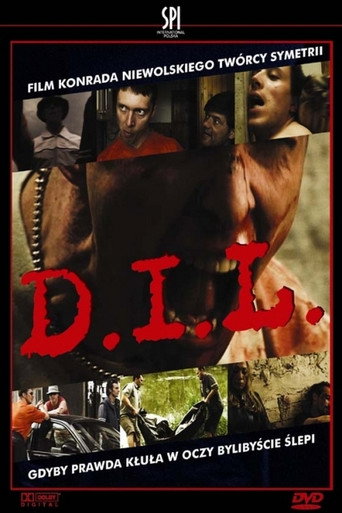
D.I.L.
On a side street, Darek Krycki picks up the "goods." The delivery man is Kruger, a local mafioso. The package, which Krycki hides in the glove compartment of his car, contains four times more drugs than usual. A few minutes later he is stopped by the police. After a routine check, it turns out that the goods have disappeared. Krycki decides to ask his friends, Lukada and Ira, for help. They meet at the stadium where they trained together as children. They decide to find out who set Krycki up. Can their friendship withstand such a test? Who can really be trusted?
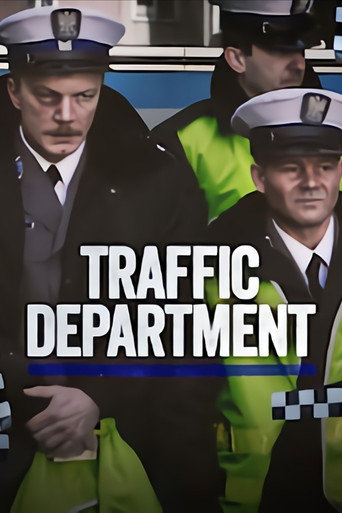
Traffic Department
Seven policemen, seven deadly sins, a murder case, secrets and the filth of everyday police work: Traffic Department transports the viewer into the darkest Warsaw streets.
Gallery