Acting
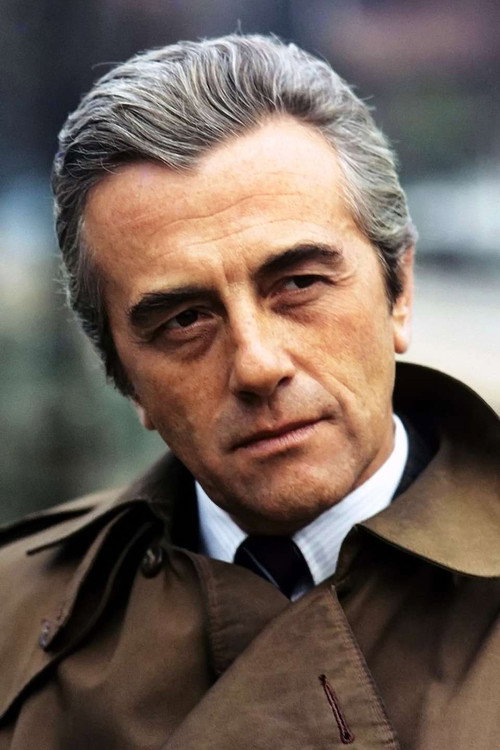
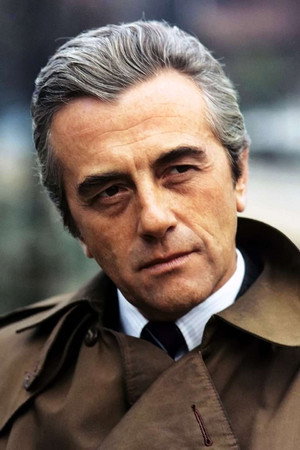
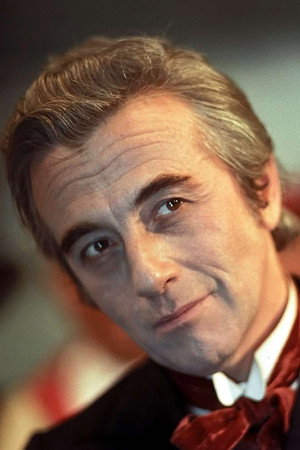
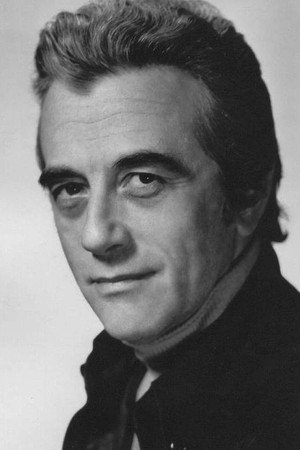
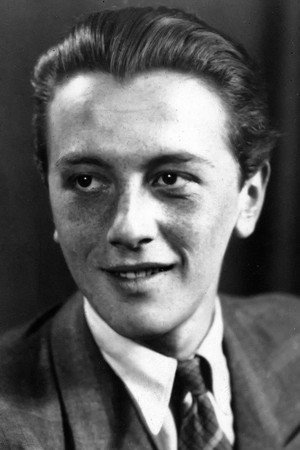
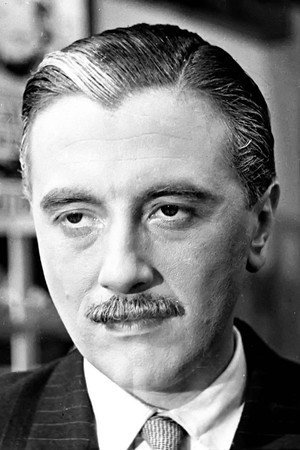
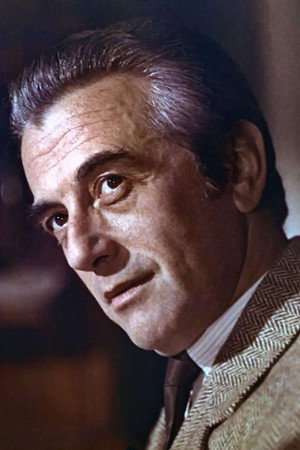
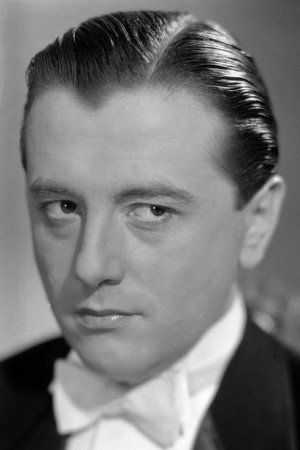
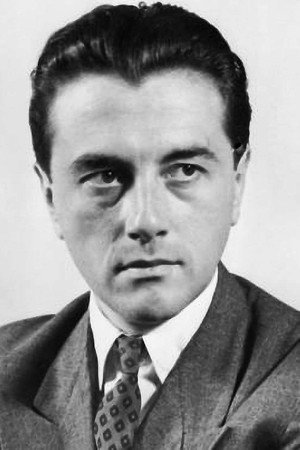
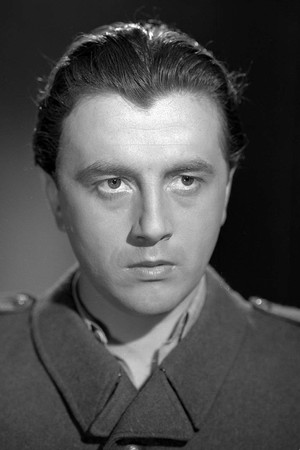
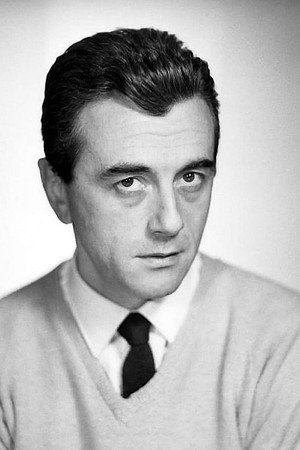
Andrzej Łapicki (11 November 1924 – 21 July 2012) was a Polish film actor, theater director and actor. He enjoyed a long career, appearing in 50 films between 1947 and 1999.
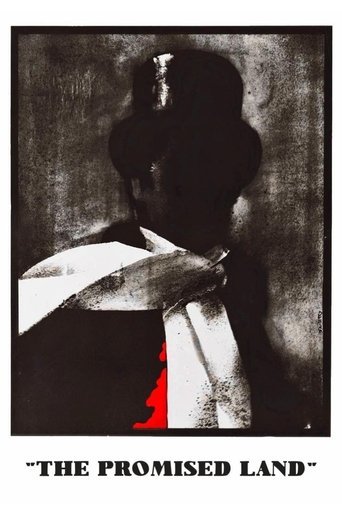
In nineteenth-century Łódź, Poland, three friends want to make a lot of money by building and investing in a textile factory. An exceptional portrait of rapid industrial expansion is shown through the eyes of one Polish town.
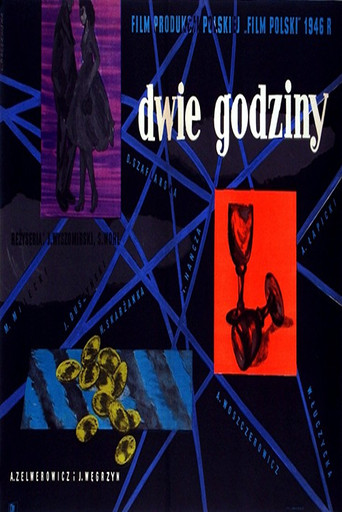
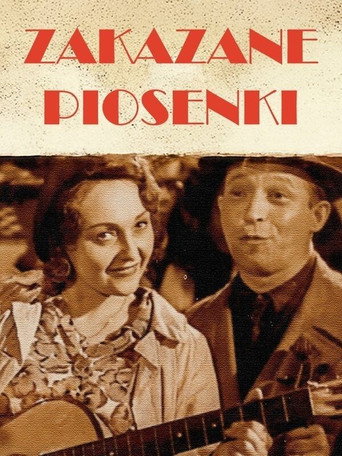
Follows the lives of people shortly after World War 2 as they try to adjust to their new lives. Completed in 1946, it was banned from release by the communist government of Poland until 1957 in edited form.
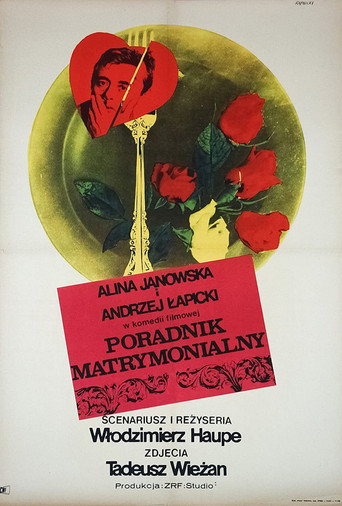
Roksana is the editor of the heart advice section of a widely read magazine. Her problem is the handsome and loving husband Bogumił. The man was taken to the hospital, where he is looked after by his sister Krystyna.
Set during the German occupation of Warsaw during WWII, this musical tells the story of several inhabitants of the same tenement house.
One of several films by the Hoffman-Skórzewski duo, made as part of the "black series" of Polish documentaries showing social problems hidden from viewers behind the façade of socialist realist productions until the mid-1950s. The subject of the film are the effects of alcoholism, whose innocent victims are children.
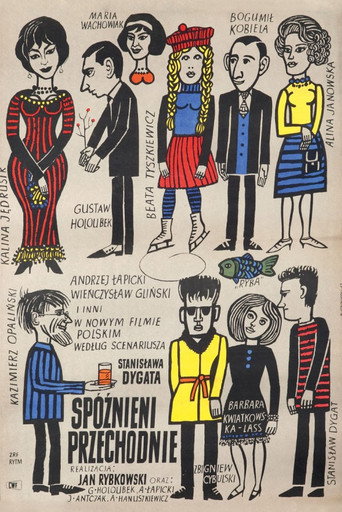
Five short stories. (1) “Czas przybliża, czas oddala” – Edward recalls his unfulfilled love for Anna and, years later, writes to her sister Zofia, mistaking her for Anna. (2) “Krąg istnienia” – A girl falls for Wacek at an ice rink; pressured by family, she marries a soap manufacturer. (3) “Paryż 1945” – A Polish refugee soldier and an American woman share a fleeting wartime bond before she leaves at dawn. (4) “Stary profesor” – Two men seek an old professor to fulfill a dying prisoner’s last wish; Roger impersonates a former pupil. (5) “Nauczycielka” – Neglected wife Zofia accepts film tests, only to find the director seeks an ordinary woman.
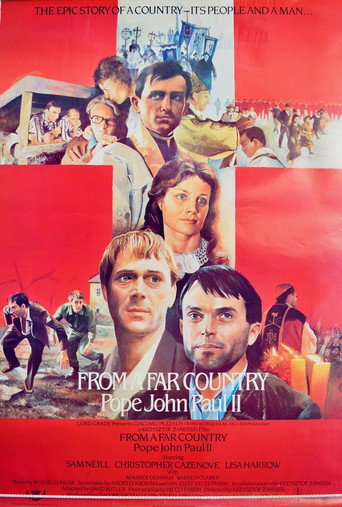
This heroic story follows the life of Karol Wojtyla, a Polish Roman catholic who ascends the throne of St. Peter as Pope John Paul II. As a young boy, Karol is a bright and talented student. Archbishop Sapieha recognizes the very special, moving qualities Karol possesses and encourages him to consider the priesthood. Although determined to study Polish literature, Karol turns to the church; he is ordained and studies in Italy, France, and Belgium. Torn by fear and repression in post-Stalin Eastern Europe, Karol becomes a poisonous thorn in the communists' side. His deer reverence and commitment return him to Poland as Pope John Paul II.
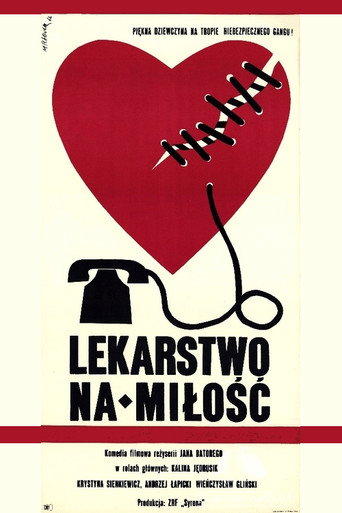
An architect Joanna tells her friend Halina on the telephone about her love troubles and suddenly hears a nice man's voice: "The best cure for love is another love." Then she becomes a forgers dispatcher mistaken for Honorata by telephone and decides to work out a forgers secret and the secret of her new love Andrzej.
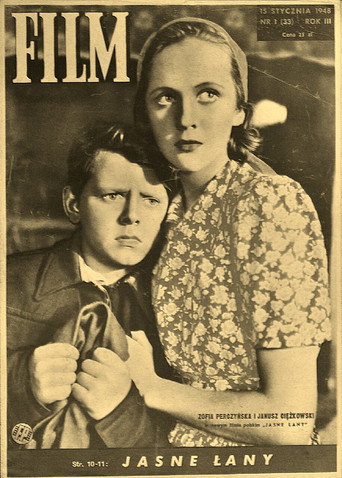
A young teacher educates the peasants and electrifies the village, which the local miller does not like.
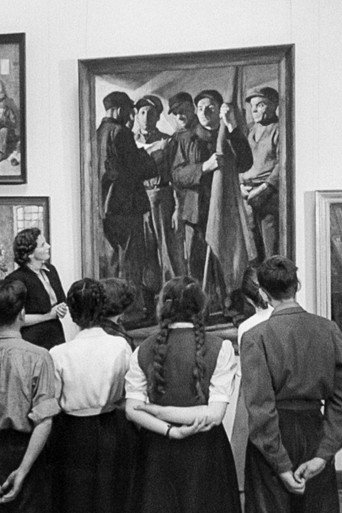
A propaganda piece of reportage from the first Polish Nationwide Art Exhibition that was held in the National Museum in Warsaw in 1950. Makarczynski’s film is a typical example of a socialist realism documentary, realized in accordance with the instructions that had been presented to the filmmakers during the Wisla 1949 summit.