Andris Keišs Movies, TV Shows, and Filmography
Andris Keišs
Acting
Biography
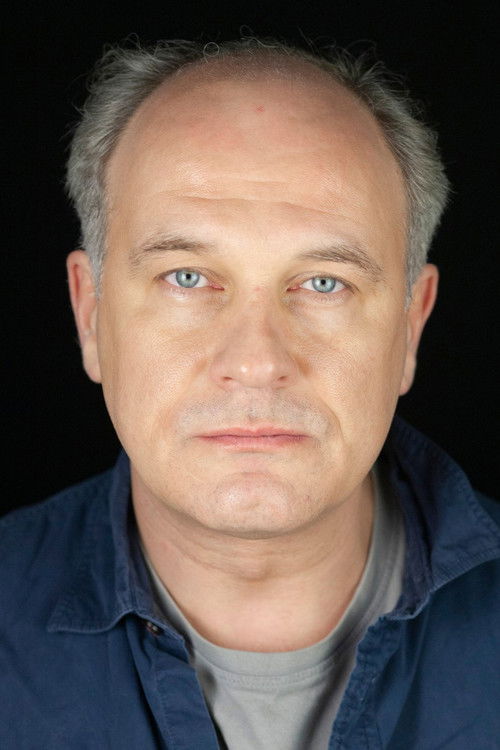
Andris Keišs (born November 26, 1974) is a Latvian actor. In the theatre, he has appeared in several plays of Alvis Hermanis and Māra Ķimele. He has also taken part in several films. In 2005 he received the Union of Latvian Theatre Workers best actor award and has won the Lielais Kristaps award four times (2000, 2012, 2015 and 2016), more than any other actor.
Filmography Movies
Acting
Forest
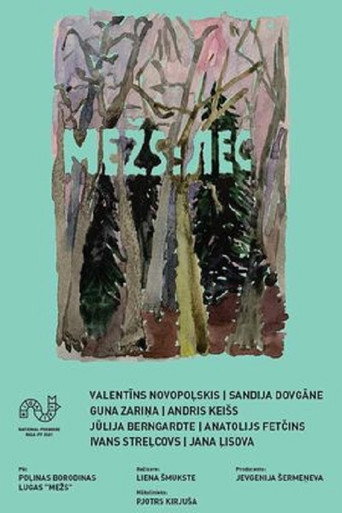
It’s November and “the planets realigned a week ago,” says a police inspector in complete astrological earnestness. A desperate woman has turned to the police asking for help to find her daughter, Anna. She is 21 years old, is getting good grades at the Krasnoyarsk State Pedagogical University and has been missing for three days. On the same day, a man arrives at the police station because he has found a phone in the forest while walking his dog. It turns out that the smartphone with the Instagram account “Muha_v_komnate” belongs to the missing girl. The stories that Anna’s family members, friends and those close to her tell clash, leading the chief investigator to question whether anyone ever really knew the girl.
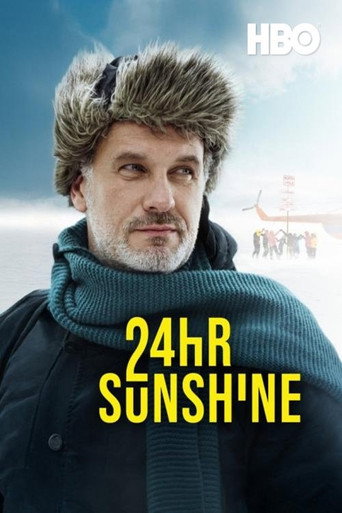
24 Hr Sunshine
Martin has fulfilled the European dream: he has a beautiful spouse, a nice house and a well-set business. When he turns 40, he starts to ask: is this all there is, and what’s next? An existential comedy/drama about success, sense of freedom and the meaning of life.

Lovable
Agate – the older and well-off partner of Matiss and the mother of ten-year-old Paula dies unexpectedly. It becomes a devastating blow for Paula and a grand possibility for Matiss, a charming novice bailiff assistant and a cheating boyfriend, to “upgrade” his social status with Agates splendid house. Matiss and Paula are stuck together in order to find the only relative left – the missing brother of Agate. This journey leaves irreversible footprints on both of them.
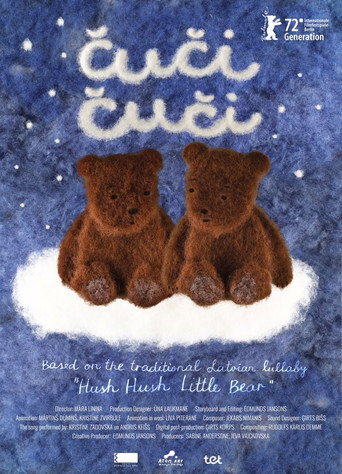
Hush Hush Little Bear
While the parent bears are gathering reserves for the winter, the cubs are having fun with a ball of wool … A story told to the tune of a Latvian lullaby, “Hush Hush Little Bear” (‘Aijā, žūžū, lāča bērni’).
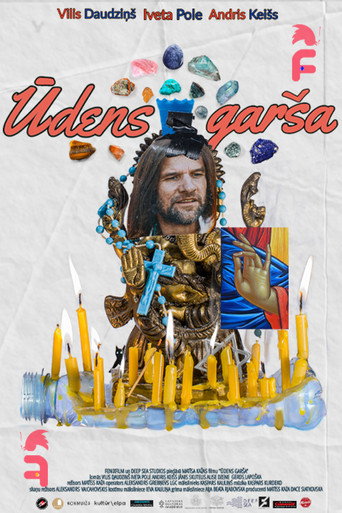
The Taste of Water
An investigative journalist decides to take down an esoteric organization based around the implementation of structured water.
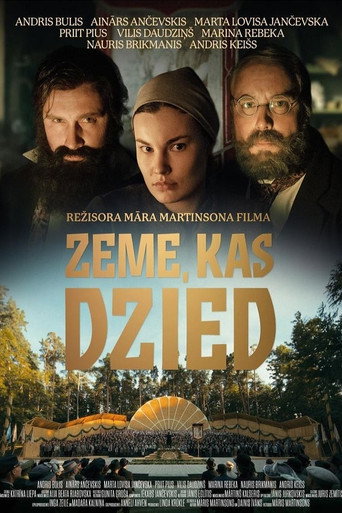
In The Land That Sings
In 1873, brave men known as the New Latvians held the first-ever Latvian song festival under the watchful eye of oppressive censorship. This massive celebration, featuring 1,003 singers – both men and women – changed the course of the nation’s history. It stands as a unique example of non-violent resistance in the fight for freedom against imperialism, led by Latvia’s entrepreneurs, writers, publicists and ordinary villagers.
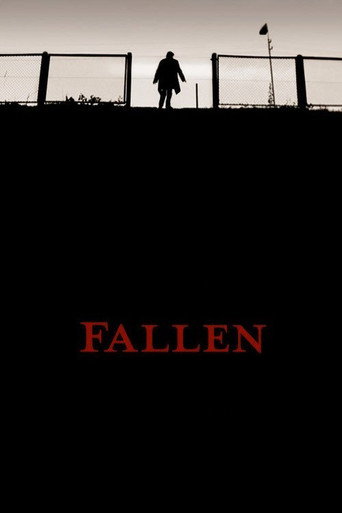
Fallen
One night, Matiss Zelcs, an employee of the Latvian national archive in Riga, notices a woman on a bridge. After passing by her without preventing her suicidal fall into the depths, a sensation of failure and guilt changes his life. He cannot forget her. Driven by a feeling of remorse and the fever of illusion, he roams through the city night and day looking for traces of her existence. This journey through the tumult of his conscience leads him deeper into his own loneliness and the depths of his soul, as he gets more and more entangled in the destinies of the woman and of the people who were attached to her. He finds himself confronted with the pain of yearning and guilt, the cruelty of love and desire, and the search for forgiveness, release and salvation.
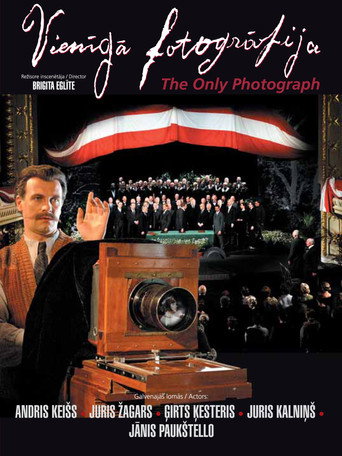
The Only Picture
Historical reenactment of preparation in Nov. 17 and proclamation of independence of Latvia in Nov. 18, 1918 and in epicenter is only taken photograph of this historical moment.
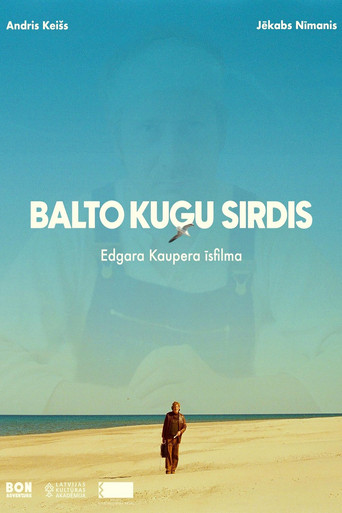
Blue Seas Searching for White Ships
Struggling composer Filip returns to his roots, seeking inspiration for a new song while grappling with a mid-life crisis. His younger brother, who has been tending to the inherited land, isn't exactly thrilled about Filip's company. As Filip battles self-doubt and the looming threat of abandoning his musical dreams, his brother sees an unexpected opportunity for both of them.
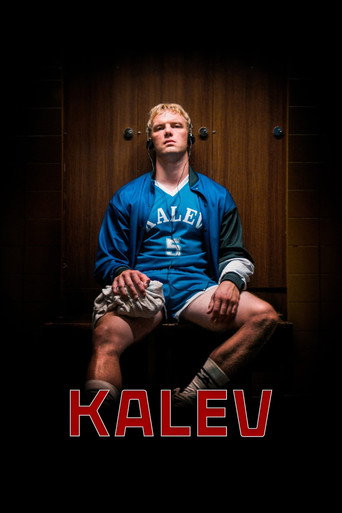
Kalev
The Soviet Union teeters on the verge of collapse in 1990 and tiny Baltic nations struggle to take back their independence. A rising tide of public opinion opposes the Estonian national team's participation in the USSR's basketball championship. The team makes the unpopular choice to participate.
Production
The Taste of Water
An investigative journalist decides to take down an esoteric organization based around the implementation of structured water.
At The Movies
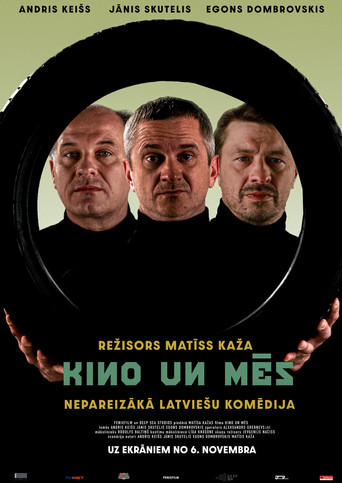
In one long take lasting nearly an hour and a half, three well-known Latvian actors re-stage scenes from renowned Soviet Latvian movies made under the Riga Film Studio. As they progress from film to film, their re-enactments lead them to discover the undeniably funny personalities and unbelievable circumstances under which these films were made. Blending documentary, theatre and fiction film, this is a comedy about the cinema and the actor, and a heartfelt homage to the Riga Film Studio.
Gallery