Andrii Isaienko Movies, TV Shows, and Filmography

Andrii Isaienko
Acting
Biography
No biography available.
Filmography Movies
Acting

Dot
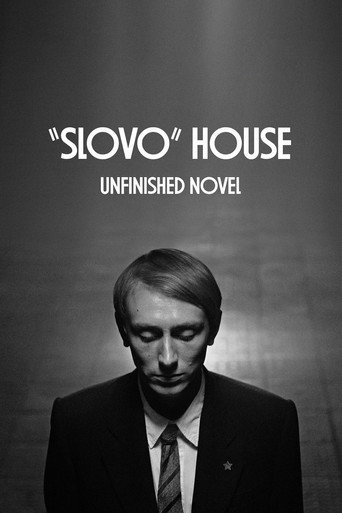
“Slovo” House. Unfinished Novel
Kharkiv, the 1930s. The heyday of Ukrainian art. Ambitious young poet Vladimir Akimov happily settles in at the new luxury "Slovo" House built specifically for artists. He comes from the provinces and works as a proof-reader in a printing press, and has never even dreamed of living under one roof with prominent Ukrainian writers and artists. He thinks his own poetry is genius, but nobody takes his literary efforts seriously, not to mention the occasional chuckles over his epigone poems. But fate smiles at him. The head of the political intelligence agency suggests that he become the author of a play written earlier. Akimov agrees, signing a non- disclosure note. The poet has no idea what price he will pay for this success. “‘Slovo’ House” is a story about a generation of Ukrainian artists persecuted by the totalitarian system, unfolding against the backdrop of one of the largest genocides of the 20th century: the Holodomor, which caused the death of almost 7 million people.

Man
The little boy was afraid to go to the toilet. His father, a soldier, taught him, "A real man should go to the toilet when he needs to, not in a pot." The little son tells his mother that now he has to protect her.
The Scar
A ruthless story of a loner.

Big Picnic
The fun-loving Drahomanovs and the straight-laced Nalyvaichenkos battle for the same picnic spot — and deal with an additional unwanted guest.
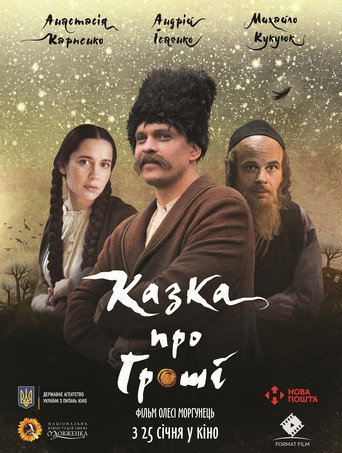
The Tale Of Money
A simple-minded Ukrainian worker Levko inherits his uncle's flourishing mill business. The sudden and unexpected fortune consequently reveals Levko's furious crave for money. He starts with laying hands on the tavern of the missing Jew Yankel, who was snatched for cupidity by the devil Khapun. In the blink of an eye Levko becomes a village usurer, he fuddles peasants, he dilutes horilka, he wants and squeezes money from everyone. But the unruly desire to be rich leads to a complete loss of compassion, friends, and love. And the main question is how the hero's ordeals will end - will the real feelings triumph or will the greed prevail.
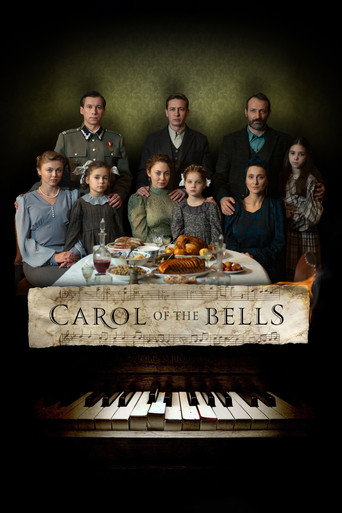
Carol of the Bells
Immortalised as one of the most scintillating and uplifting Christmas songs, 'Carol of the Bells' adapted from a popular and loved Ukrainian folk melody, came to represent the spirit of brotherhood and unity all over the world. The peaceful and neighbourly existence of three families, Polish, Ukrainian and Jewish, sharing a large house, musical evenings and merriment in the city of Stanislaviv in the years preceding and post war, is shattered. First in the Soviet occupation and the persecution of the Polish family, then, by the Nazi occupation of Ukraine, and the decimation of the Jewish family. Sacrificing their lives the Ukrainian family manage to save their neighbours' children and their own daughter. Death and loss come to these families, but the healing power and joy , and a promise that the Future Will Not be Cancelled which "Carol of the Bells' evokes will be everlasting.

I Work at the Cemetery
Sasha manages a firm that installs tombstones at the local cemetery. His many customers have all experienced personal tragedies, but he is full of cynicism. One day, Sasha's 14-year-old daughter appears to bring him back into her life.
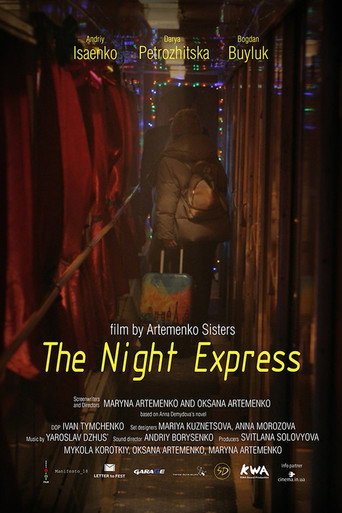
The Night Express
On a New Year's Eve journalist Tanya is setting on a train by her friend, for this removing another passenger. Friend says that Tanya is a surgeon and she's having an important surgery tomorrow. Drunk lawyer Tolia sit down in the same compartment. Train brakes, suitcase puts down and cuts off Tolya's finger. Now Tanya as a surgeon must save Tolya's life.
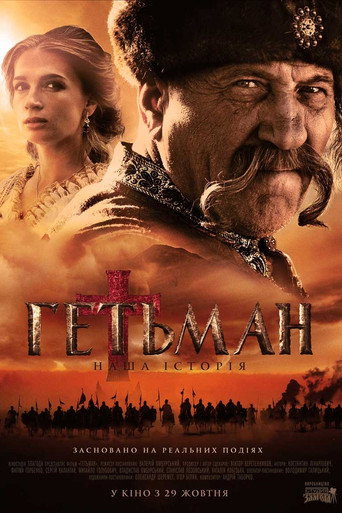
Hetman
Artistic portrayal of the difficult personality of Bohdan Khmelnytsky and his dramatic life against the backdrop of National-liberation war in the mid-17th century and the Cossack state building. The main storyline shows Khmelnytsky not only as hetman and commander, but reveals his private life and his complicated relations with his beloved woman.
Gallery