Directing
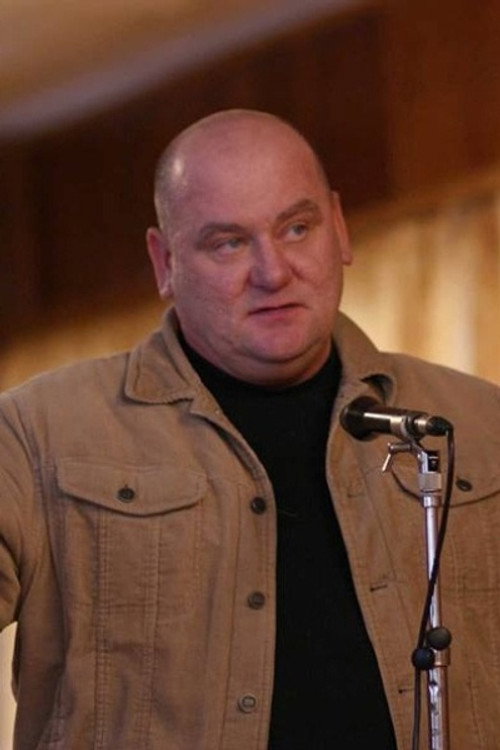
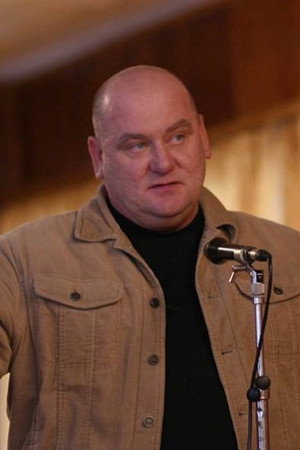
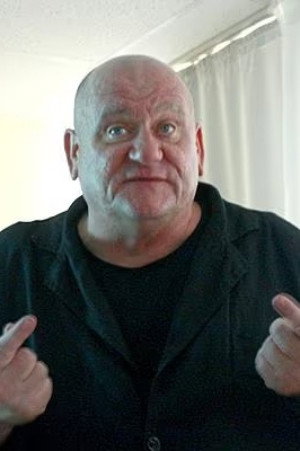
Andrey Vladimirovich Osipov (Russian: Андре́й Влади́мирович О́сипов; born 10 August 1960; Kaltan) is a Russian documentary filmmaker. Honored Artist of the Russian Federation. Member of the Academy of Cinematographic Arts "Nika" and "Golden Eagle".
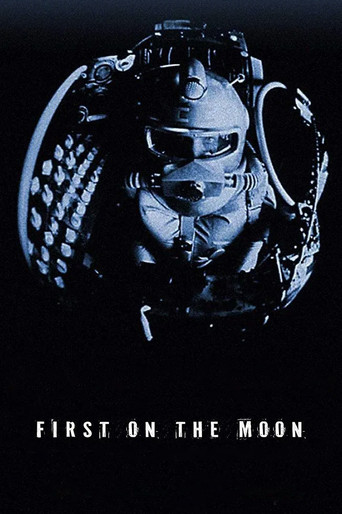
In spring 1938 in the mountains in the north of Chile a fiery UFO, later named "Chilean Sphere ", fell down. The investigation of this episode, made by a film crew, has led to a sensational discovery. It appeared that before the Second World War (in the thirties) in the USSR a secret space program had been developed. The Soviet scientists and military authorities managed to launch the first spacecraft 23 years prior to Jury Gagarin's flight! "The First on the Moon" tells about everyday life, heroic deeds and tragedy of the first group of the Soviet cosmonauts. It is the first Russian film shot in a very rare genre 'mockumentary' or 'documentary fiction'.
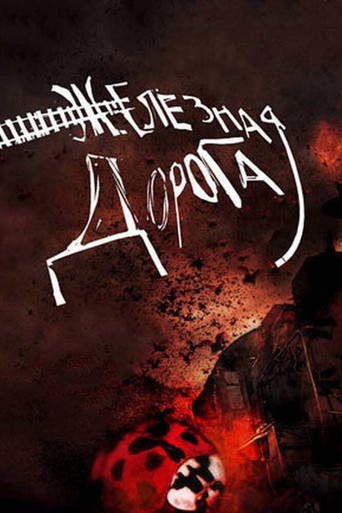
Mischa, a mute boy, sets out on a surrealistic journey together with his father and two men. Their means of transportation is an old Soviet locomotive, loaded with stolen coal. The travellers intend to sell off the loot on their way through the borderless steppes of inner Russia. As a parallel to the main plot, sequences of a mysterious travelling circus keep reappearing in a very suggestive way. Many of the odd artists at the circus are people that the four protagonists encounter in the wilderness along the overgrown railway. All through the movie there is a sensation of magic crossed with pure realism, stressed by the crackling communistic infrastructure and a twisted sense of humor. The border between reality and fantasy is very subtle here. The Railway is a story about strong family ties, but also an ambitious interpretation of the clash between the Russia of old and new. One could call it the rebirth of a long forgotten genre: the Russian wonder story.
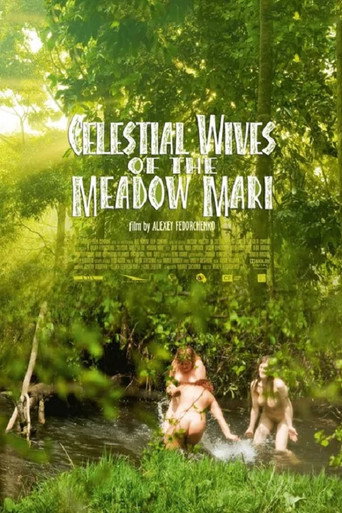
This is a collection of portraits: 23 short stories about the Mari women, a sort of Decameron suspended between magic and realism, in which the Autonomous Republic of the Marij El serves as a backdrop for the collective history of a people of ancient tradition. A journey into a mysterious and unknown part of the world.
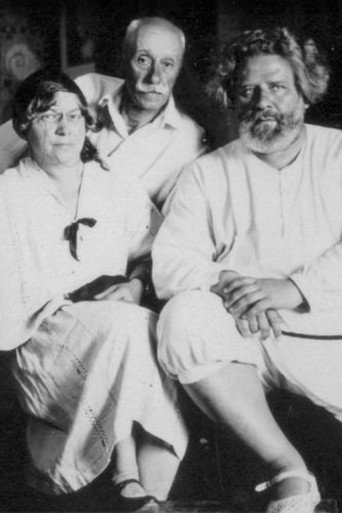
And again Koktebel. New destinies. Secrets and insights of the culture of the Silver Age.
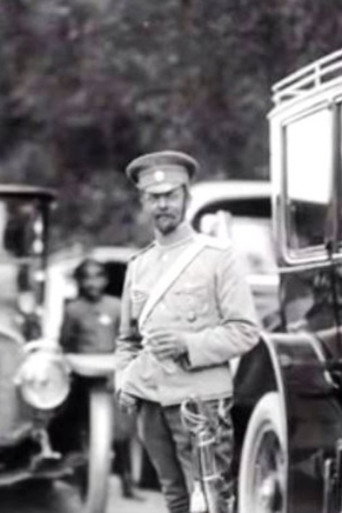
The issue of protecting the Russian emperor was very delicate. The tradition provided for a special attitude of the people to the person of the anointed of God, who personified the greatness of the country. And yet the life of the monarch was often in mortal danger…
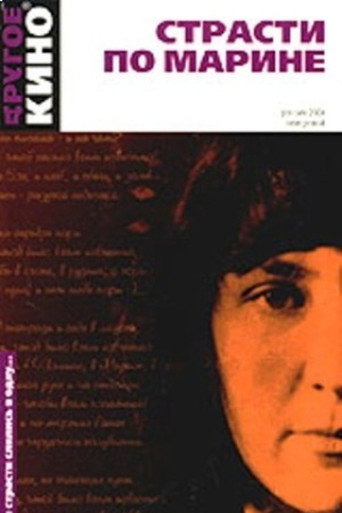
An artistic reconstruction of the life of one person, a poet. Although Marina Tsvetaeva is known not only for her work, but also for her difficult fate, the painting "Passion for Marina" deserves the interest of even those who believe that nothing new will be told about Tsvetaeva. The film uses memoir prose, letters and notebooks of M.I. Tsvetaeva, A.I. Tsvetaeva, A.S. Efron, G.S. Efron, diaries, memoirs and letters of their contemporaries; fragments of films from the collection of the Gosfilmofond of Russia and the Russian State Archive of Film and Photographic Documents.
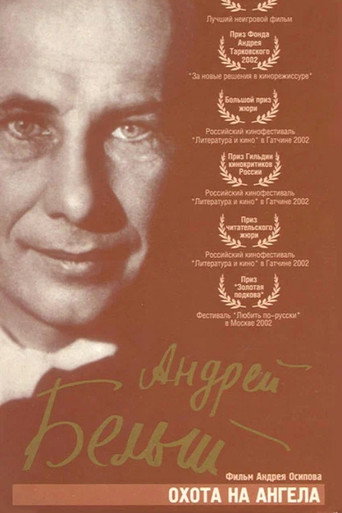
"Star genius", "new Gogol", "winged unearthly creature" and at the same time - "hysterical, clamorous", "vain poseur", "underincarnated phantom"... This is how contemporaries characterized one of the most striking figures of the Silver Age - the poet Andrei Bely. This film, consisting of eight parts, represents fragments of Andrei Bely's biography scattered over time. The main women in the poet's life were Asya Turgeneva, Lyubov Mendeleeva, Nina Petrovskaya, Claudia Vasilyeva - the film is also about them.
100 years of Russian history, 7 major wars. They took human lives, destroyed cities and even countries. The footage of a unique historical chronicle returns to the past to explain only one thing: the weapons change, the place changes, but the horror of death in war remains the same. And along with a person's life, unique worlds, ideas that have not been realized, children who have not been born are being destroyed...
About the artist and poet of the "silver age" Maximilian Voloshin.
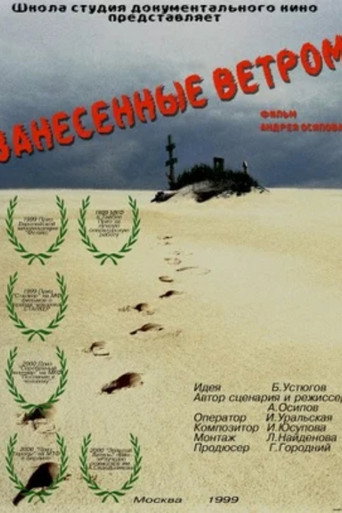
600 km north of Arkhangelsk on the shore of the White Sea is the fishing village of Shoyna. In winter there is an endless night and an icy desert, in summer there is an incessant sun and salty winds that cover the houses with sand up to the roofs. The film is a metaphorical reflection – about Russia, about the eternal trials that have fallen to its lot, about the coveted freedom and about the paradoxical attraction to unfreedom that exists in every Russian person…