Camera
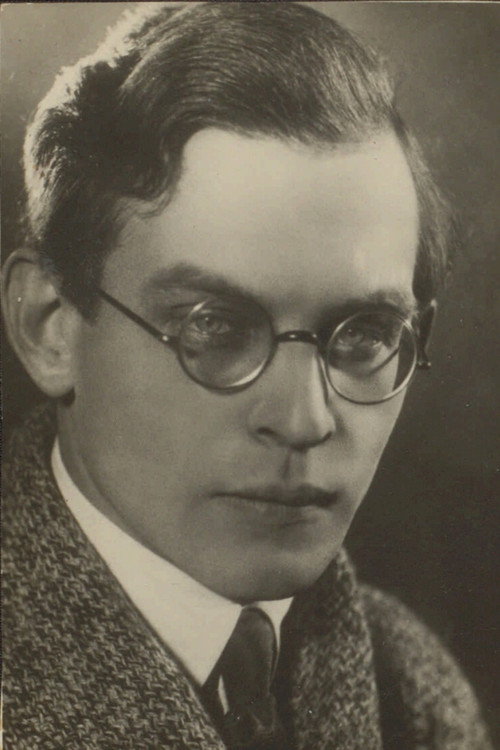
No biography available.
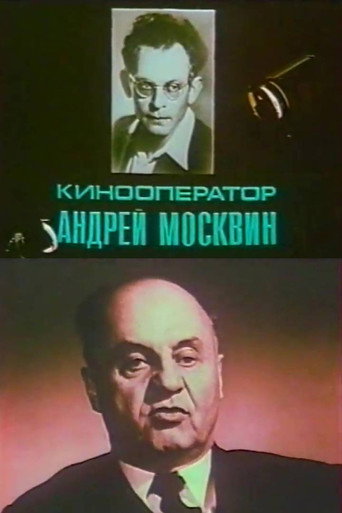
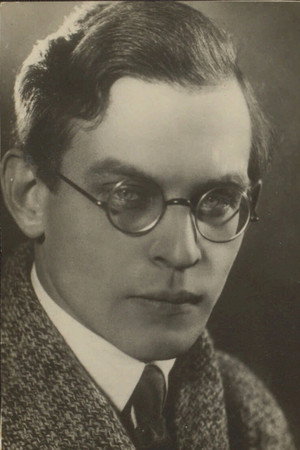
Biography of cinematographer Andrey Nikolaevich Moskvin.
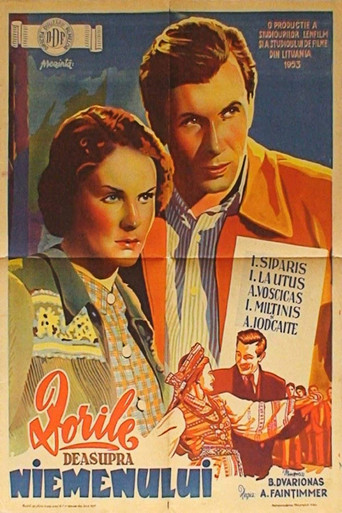
The rise of a Lithuanian collective farm in the post-war years and the struggle against the remnants of the past in people's minds.
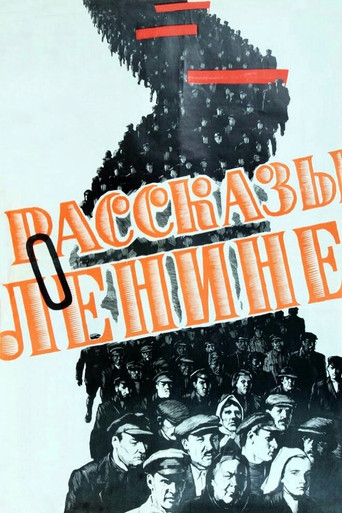
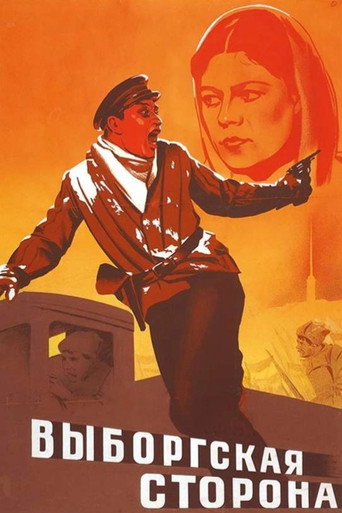
Two stories ("The feat of the soldier Mukhin", "The Last Autumn"). The events of one concern 1917, when Lenin had to hide in Finland, the second takes place in 1923-1924 during the last months of his life in Gorki.
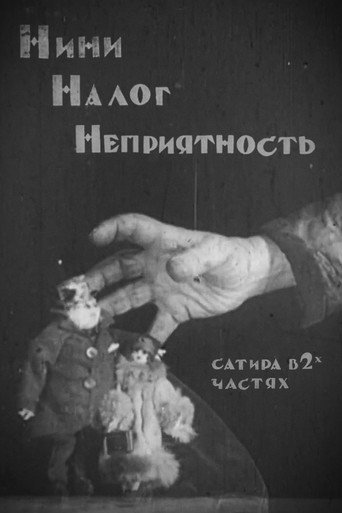
The main characters - the Bezzabotovs - live for their own pleasure: the husband earns on speculation, his wife Nini has fun with fans. To avoid being seen as parasites, the couple are registered as unemployed. Soon, Nini's husband receives a mail notification that he should pay 500 rubles in tax. Indignant, Nini goes to the financial department and states there that she and her husband are unemployed and don't have the money. But before visiting the officials, she forgets to take off her luxurious jewelry.
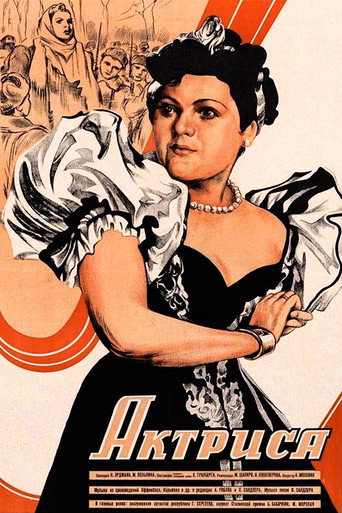
Zoya Vladimirovna Strelnikova, a famous operetta actress, quits the theater and gets a nanny in a military hospital. There she meets the wounded major Peter Nikolayevich Markov.
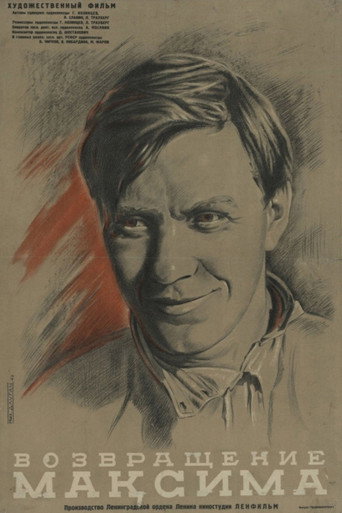
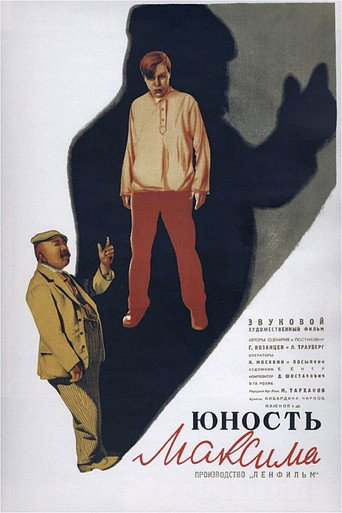
The second part of trilogy about the life of a young factory worker, Maxim. In July 1914, the Bolsheviks and Mensehviks compete for representation of the working-class in the Duma. Maksim, who just returned from exile, calls the workers to strike as a protest against the firing of six of their colleagues. The traitor Platon Dymba assaults Maksim, wounding him severely. When the strike unfolds the workers demonstrate by the thousands, the news of the outbreak of World War I suddenly arrives. Maksim gets drafted.
The final part of trilogy about the life of a young factory worker, Maxim. Following the Russian Revolution, Maksim is appointed state commissar in charge of the national bank. With great efforts, he learns the complexies of the banking trade and begins to fight off sabotaging underlings. Dymba, now a violent enemy of the Republic, tries to rob a wine store but is arrested with Maksim's help. Maksim also exposes a conspiracy of a group of tsarist officers who prepare an attempt against Lenin. He then joins the Red Army in its fight against the German occupation.
A 1935 USA trade-paper reviewer called it... "an impressive and technically outstanding historical drama dealing with czarist terrorism and revolutionary boiling in the days of 1907. Picture is one of the Soviet prize winners and has particular merits in realistic performance, photography and movement, plus some musical touches in way of folk songs." Written by Les Adams
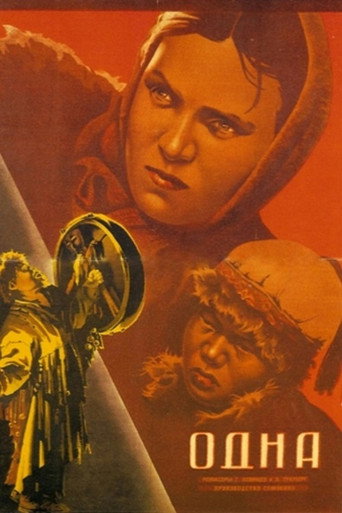
A young teacher is sent to a remote province, separating her from her lover, and sets about the difficult task of building a school there.
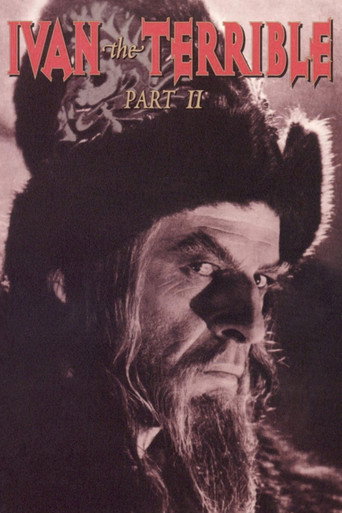
This is the second part of a projected three-part epic biopic of Russian Czar Ivan Grozny, undertaken by Soviet film-maker Sergei Eisenstein at the behest of Josef Stalin. Production of the epic was stopped before the third part could be filmed, due to producer dissatisfaction with Eisenstein's introducing forbidden experimental filming techniques into the material, more evident in this part than the first part. As it was, this second part was banned from showings until after the deaths of both Eisenstein and Stalin, and a change of attitude by the subsequent heads of the Soviet government. In this part, as Ivan the Terrible attempts to consolidate his power by establishing a personal army, his political rivals, the Russian boyars, plot to assassinate him.
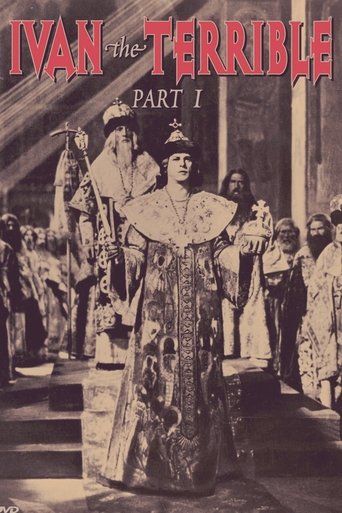
Set during the early part of his reign, Ivan faces betrayal from the aristocracy and even his closest friends as he seeks to unite the Russian people. Sergei Eisenstein's final film, this is the first part of a three-part biopic of Tsar Ivan IV of Russia, which was never completed due to the producer's dissatisfaction with Eisenstein's attempts to use forbidden experimental filming techniques and excessive cost overruns. The second part was completed but not released for a decade after Eisenstein's death and a change of heart in the USSR government toward his work; the third part was only in its earliest stage of filming when shooting was stopped altogether.