Andrew Thorndike Movies, TV Shows, and Filmography
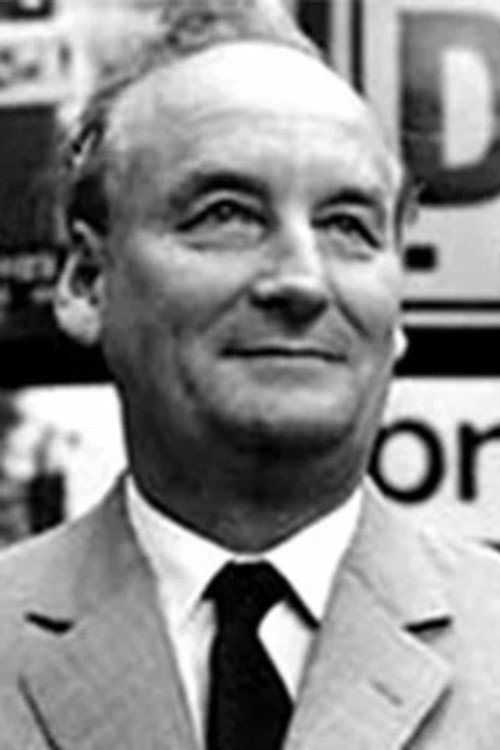
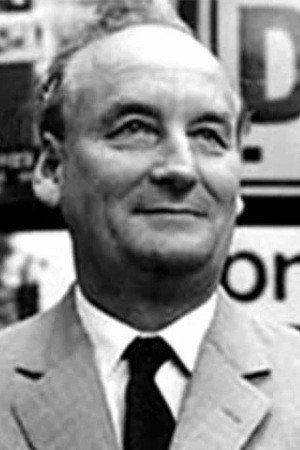
Andrew Thorndike
Directing
Biography
Andrew Thorndike (30 August 1909 – 14 December 1979) was a German documentary film director. He directed 16 films between 1949 and 1977. His 1950 documentary, Der Weg nach oben, won the Best Documentary Film at the Karlovy Vary International Film Festival in 1951. He was a member of the jury at the 5th Moscow International Film Festival. At the 11th Moscow International Film Festival in 1979, he was awarded the Honorable Prize for his contribution to cinema.
Filmography Movies
Production
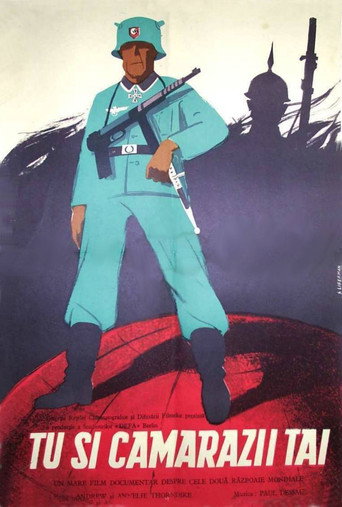
You and Many a Comrade
An East German documentary that uses archival footage to trace a direct line from Imperial Germany through the Weimar Republic and the Third Reich to the Federal Republic of West Germany in the 1950s. Intended as a critique of continuity in German politics, the film was banned in West Germany for many years.
You and Many a Comrade
An East German documentary that uses archival footage to trace a direct line from Imperial Germany through the Weimar Republic and the Third Reich to the Federal Republic of West Germany in the 1950s. Intended as a critique of continuity in German politics, the film was banned in West Germany for many years.
My Whole Life Long
Mein ganzes Leben lang (My Whole Life Long) (1971) is an East German documentary directed by Annelie and Andrew Thorndike. The film chronicles the life of Hermann Dünow, who reflects on his personal experiences and memories. Through interviews and archival footage, the documentary explores themes of memory, identity, and the passage of time, offering a window into individual history within the broader context of German society. The film provides an intimate portrait of Dünow’s life, capturing the complexities of personal narrative against the backdrop of mid-20th-century Germany.
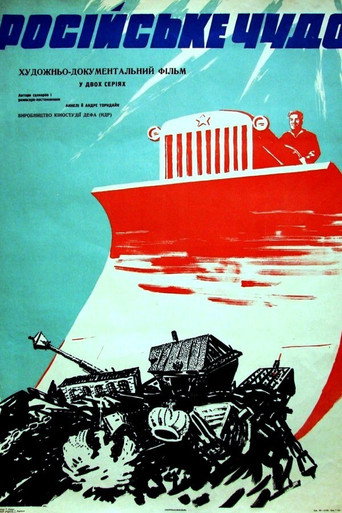
The Russian Miracle
A two-part East German documentary tracing Russia’s transformation from the Tsarist Empire to the Soviet Union, from the 1917 October Revolution to the achievements of the space program. Directed by Andrew Thorndike and Annelie Thorndike, the film assembles extensive archival footage to chart political upheaval, ideological consolidation, and technological ambition in twentieth-century Russia. Produced by DEFA and first broadcast on East German television in 1963.
The Russian Miracle
A two-part East German documentary tracing Russia’s transformation from the Tsarist Empire to the Soviet Union, from the 1917 October Revolution to the achievements of the space program. Directed by Andrew Thorndike and Annelie Thorndike, the film assembles extensive archival footage to chart political upheaval, ideological consolidation, and technological ambition in twentieth-century Russia. Produced by DEFA and first broadcast on East German television in 1963.
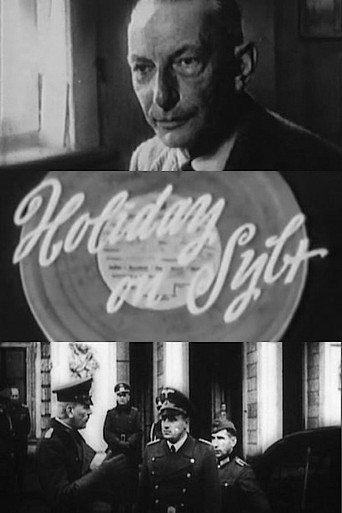
Vacation in Sylt
The East German documentary uncovers the postwar career of Heinz Reinefarth, the former SS general responsible for atrocities during the Warsaw Uprising who became mayor of Westerland on the island of Sylt. Combining archival footage with contemporary interviews, the film indicts West Germany for allowing former Nazi officials to return to public office.
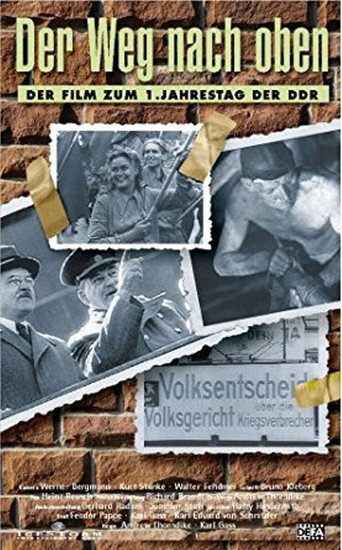
The Ascending Path
The economic and cultural improvements of the Soviet Occupied Sector are documented with scenes from the years 1945 to 1950. The film deals with the land reform, the founding of the Socialist Unity Party, the expropriation of war criminals, the founding of the GDR and the first Five Year Plan in July 1950. Special attention is dedicated to the setup of the steel industry. All this is shown in contrast to the new Federal Republic of Germany, where unemployment, slums and the West Berlin airlift prevail. The Cold War of those years is reflected in the film as well as a part of the development of post-war Germany.
The Ascending Path
The economic and cultural improvements of the Soviet Occupied Sector are documented with scenes from the years 1945 to 1950. The film deals with the land reform, the founding of the Socialist Unity Party, the expropriation of war criminals, the founding of the GDR and the first Five Year Plan in July 1950. Special attention is dedicated to the setup of the steel industry. All this is shown in contrast to the new Federal Republic of Germany, where unemployment, slums and the West Berlin airlift prevail. The Cold War of those years is reflected in the film as well as a part of the development of post-war Germany.
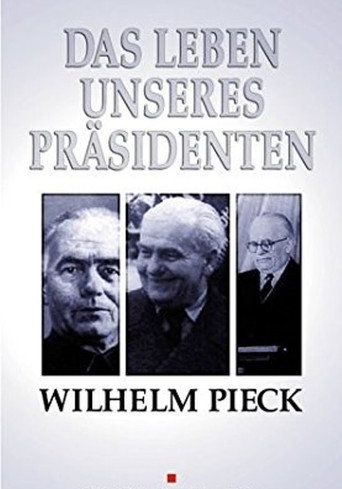
Wilhelm Pieck - Das Leben unseres Präsidenten
Basing his work on documentary material, Andrew Thorndike tells the life story of Wilhelm Pieck: from young worker to fighter for the German working class, and from enemy of national-socialism to the first president of the German Democratic Republic.
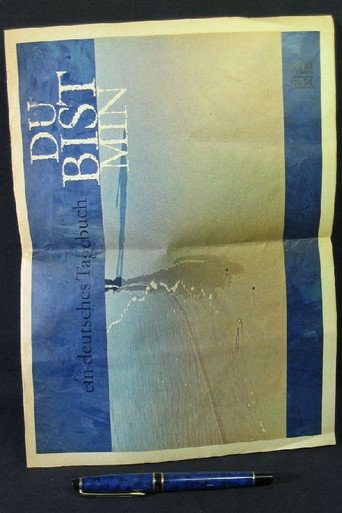
Diary of a German Woman
Diary of a German Woman (also known as You are Mine - A German Diary) is the most personal of the Thorndikes’ projects. Based on Annelie’s diary entries, her story was to be the starting point for a kind of all-German ‘Heimatfilm’ that praises the utopian power of the GDR and sharply condemns Federal German wrongs, but finds transcendent beauty on both sides of the wall. Over the course of production, however, the visionary dimension of the project was progressively trimmed down, though it’s still tangible everywhere in the compromised final version. The intensity of its pathos is both oppressive and enchanting; some historical simplifications and ideological twists and bends may be hair-raising, but they still achieve the desired effect.
Gallery