Anand Patwardhan Movies, TV Shows, and Filmography
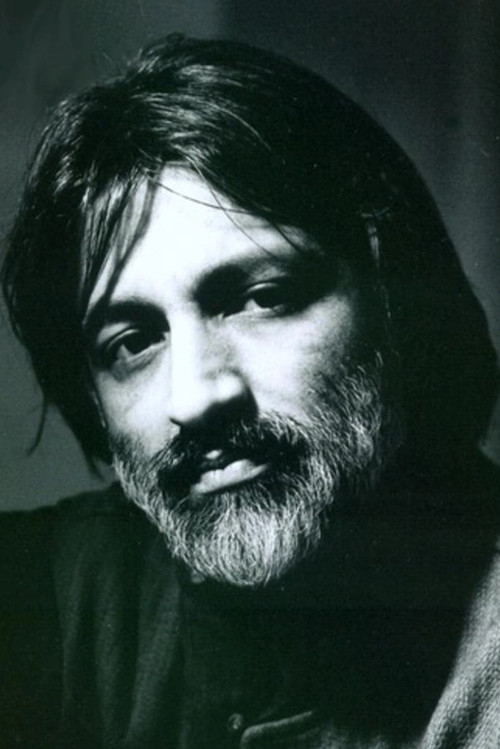
Anand Patwardhan
Directing
Biography
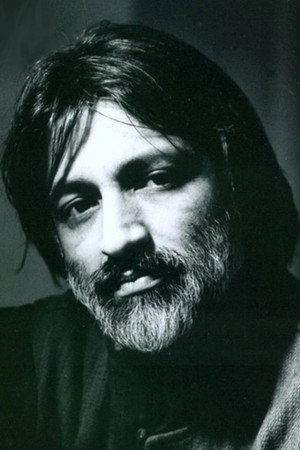
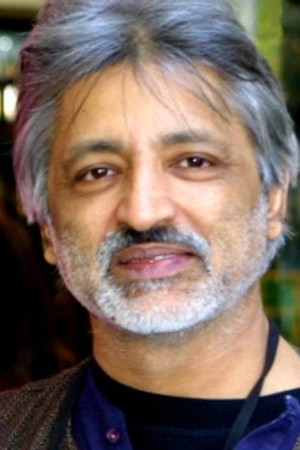
Comrade Anand Patwardhan (born 18 February 1950) is an Indian documentary filmmaker known for his socio-political, human rights-oriented films. Some of his films explore the rise of religious fundamentalism, sectarianism and casteism in India, while others investigate nuclear nationalism and unsustainable development. Some of his notable films include Bombay: Our City (Hamara Shahar) (1985), In Memory of Friends (1990), In the Name of God (Ram ke Nam) (1992), Father, Son, and Holy War (1995), A Narmada Diary (1995), War and Peace (2002) and Jai Bhim Comrade (2011), and Reason (2018) which have won national and international awards.
Filmography Movies
Acting
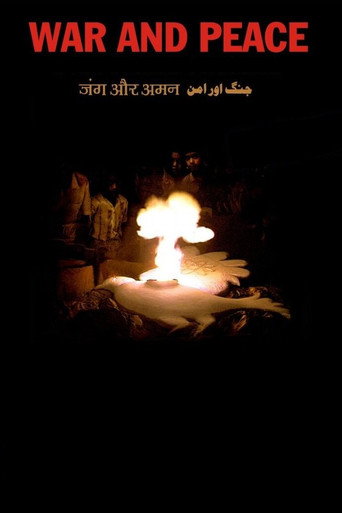
War and Peace
Documentary about the nuclear sabre-rattling that has been going on between India and Pakistan. Comprised mostly of interviews with average folks on the street, the movie superbly demonstrates the gulf between the people's will and the greed of those in power.

Dubai Winter Diary VI: Light and Reflections
Gérard Courant's "Filmed Diary" of December 14, 2011, produced in Dubai (United Arab Emirates). Between December 7 and 15, 2011, Gérard Courant was invited by the Dubai International Film Festival, in the United Arab Emirates. It was an opportunity for him to film many "Cinematons" of personalities from the Arab world and to continue his "Film Notebooks" from which he brought back 7 episodes.
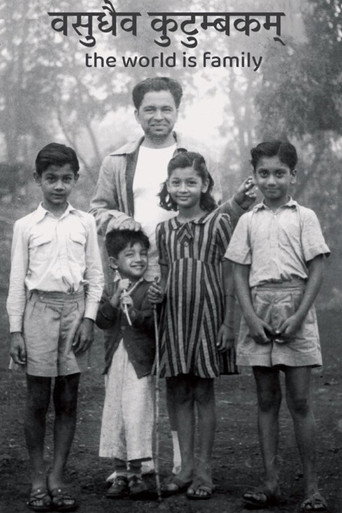
The World Is Family
Esteemed documentarian Anand Patwardhan directs a portrait of his parents, whose families were intertwined with Gandhi and India’s independence movement. His view on history extolls unity between Hindus and Muslims, a value that needs reasserting in modern politics.
Production
images you didn’t see
"Global censorship of the war on Iraq has stifled the outrage that may have otherwise curtailed the ongoing atrocity of occupation. Not only have the real causes of war been hidden but also its effects. Most people see a sanitized and falsified version that feeds their complacence and sedates their conscience. But one place where the truth cannot be totally hidden is the Internet. “images you didn’t see” is a music video that interprets images gleaned from the net – images that either never appear in the mainstream media, or images whose import are masked behind a velvet curtain of global infotainment."
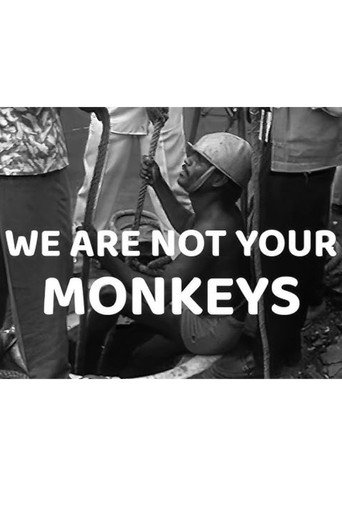
We Are Not Your Monkeys
"We Are Not Your Monkeys is a music video that reworks the epic Ramayana story to critique the caste and gender oppression implicit in it. Sung by Sambhaji Bhagat and composed by Sambhaji, the late Daya Pawar and Anand Patwardhan, the music video opposes the systematic oppression and negation of basic human rights of the underclass, in the name of religion and culture."
Occupation: Mill Worker
"Textile mills were once the backbone of Bombay’s economy and provided the city its working class culture. Today, foreign investment and rising real-estate prices have made selling mill lands more profitable than running mills. Mill ‘sickness’ is now an epidemic. OCCUPATION: MILLWORKER records the inspirational action of workers who, after a four-year lockout, forcibly occupied The New Great Eastern Mill."

Ribbons for Peace
"Made in the aftermath of Indian and Pakistani nuclear tests, Ribbons gives new meaning to an old film song by Kishore Kumar – a kind of “Imagine” composed before the days of John Lennon. With guest appearances by well-known movie stars like Naseeruddin Shah, Aamir Khan, Kittu Gidwani and Chandrachur, the film was made to counter a pro-nuke music video made by the political party in power."
War and Peace
Documentary about the nuclear sabre-rattling that has been going on between India and Pakistan. Comprised mostly of interviews with average folks on the street, the movie superbly demonstrates the gulf between the people's will and the greed of those in power.
War and Peace
Documentary about the nuclear sabre-rattling that has been going on between India and Pakistan. Comprised mostly of interviews with average folks on the street, the movie superbly demonstrates the gulf between the people's will and the greed of those in power.
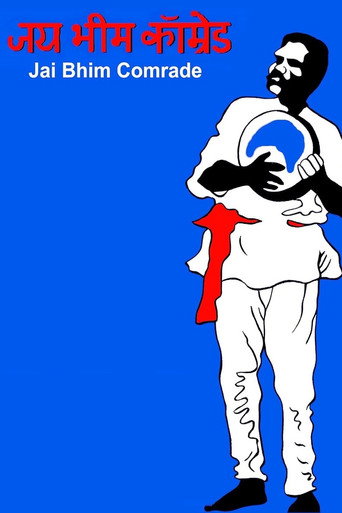
Jai Bhim Comrade
Dalits, in the Indian caste system, belong to the lowest social sphere and are therefore subject to regular discrimination and violation of their basic human rights. Also referred as “untouchables,” this group was vindicated by B. R. Ambedkar, a Dalit who earned doctorate degrees abroad and fought for the emancipation of his people. In 1997 a statue honoring him was desecrated, unleashing the rage of the Dalit community, but instead of getting support by the authorities, ten persons were murdered. This documentary took 14 years to be made and it captures the music and poetry of this people, showing a tradition against superstition and religious bigotry that has strived since the times of Buddha.
Jai Bhim Comrade
Dalits, in the Indian caste system, belong to the lowest social sphere and are therefore subject to regular discrimination and violation of their basic human rights. Also referred as “untouchables,” this group was vindicated by B. R. Ambedkar, a Dalit who earned doctorate degrees abroad and fought for the emancipation of his people. In 1997 a statue honoring him was desecrated, unleashing the rage of the Dalit community, but instead of getting support by the authorities, ten persons were murdered. This documentary took 14 years to be made and it captures the music and poetry of this people, showing a tradition against superstition and religious bigotry that has strived since the times of Buddha.
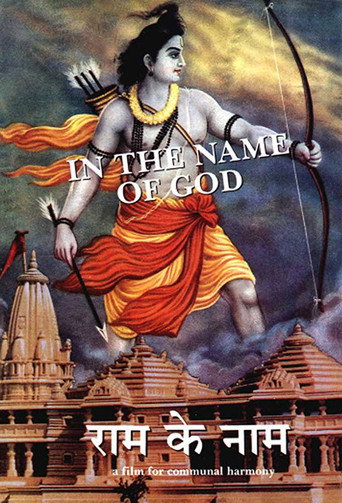
In the Name of God
The film explores the campaign waged by the Hindu right-wing organisation Vishva Hindu Parishad to build a Ram temple at the site of the Babri Masjid in Ayodhya, as well as the communal violence that it triggered. A couple of months after Ram ke Naam was released, VHP activists demolished the Babri Masjid in 1992, provoking further violence.
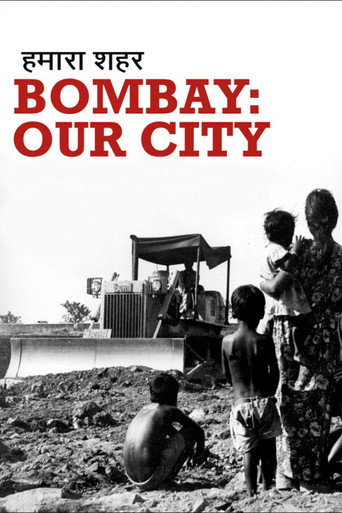
Bombay: Our City
A documentary on the socio-economic injustice meted out to the slum-dwellers in Bombay, and an attempt to understand the factors responsible for it.
Gallery