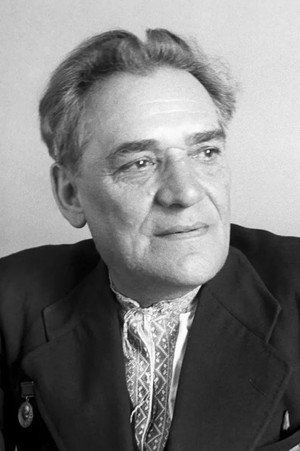
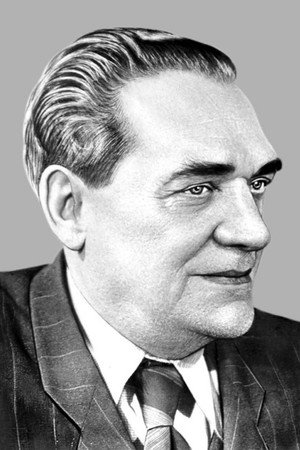
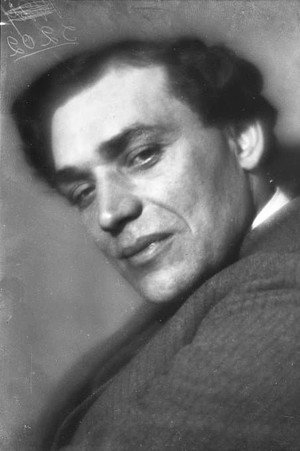
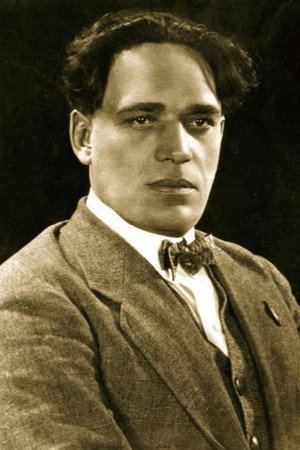
Amvrosii Buchma Movies, TV Shows, and Filmography
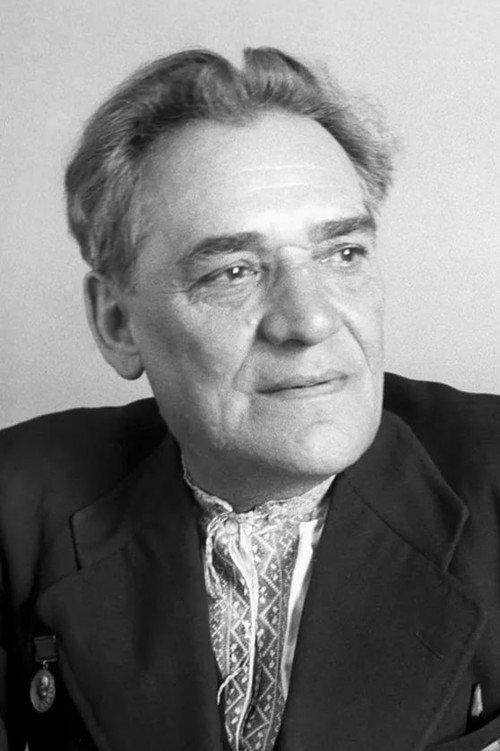
Amvrosii Buchma
Acting
Biography
No biography available.
Filmography Movies
Acting
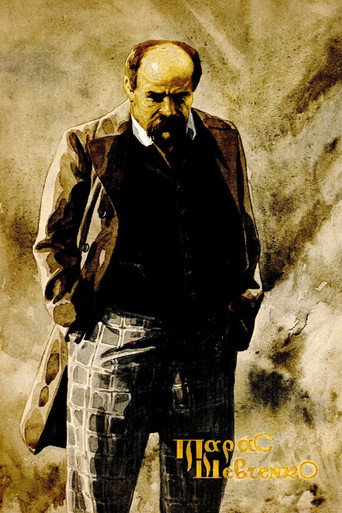
Taras Shevchenko
The film adaptation of Taras Shevchenko’s biography of 1925 is the first Ukrainian biopic. At that time, it was one of the most expensive films, as for the first time experts in history, ethnography, and literary studies were involved in pre-production. Consisting of numerous short stories, the film that shows the life of Shevchenko as an adolescent, a soldier, a poet, was successfully demonstrated in Ukraine and abroad and became the most acknowledged cinema project of 1926.
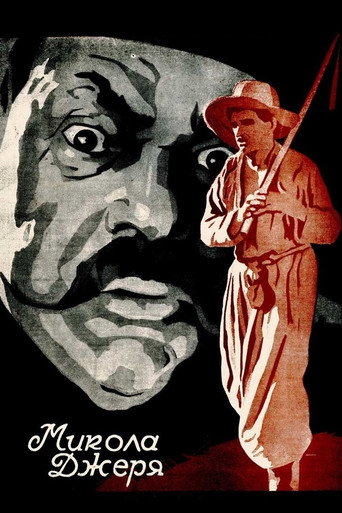
Mykola Dzheria
Freedom-loving Mykola Dzheria goes away from the village because of poverty and villainage. He leaves his senior parents, his young wife Nemydora and escapes to the sugar-mill. His friend dies because of slave work. Mykola goes to the Dniester reed beds. Working with other escapees, Mykola falls in love with the daughter of the cooperative leader. The girl also likes the handsome guy. However, their fate is decided by the landlord’s servants; they set the reed beds on fire, shackle Mykola and take him to Verbivka. The film was released on 01 April 1927 in Kyiv and on 24 May 1928 in Moscow. The film is lost.
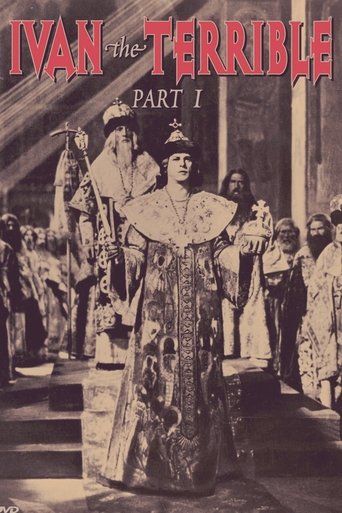
Ivan the Terrible, Part I
Set during the early part of his reign, Ivan faces betrayal from the aristocracy and even his closest friends as he seeks to unite the Russian people. Sergei Eisenstein's final film, this is the first part of a three-part biopic of Tsar Ivan IV of Russia, which was never completed due to the producer's dissatisfaction with Eisenstein's attempts to use forbidden experimental filming techniques and excessive cost overruns. The second part was completed but not released for a decade after Eisenstein's death and a change of heart in the USSR government toward his work; the third part was only in its earliest stage of filming when shooting was stopped altogether.
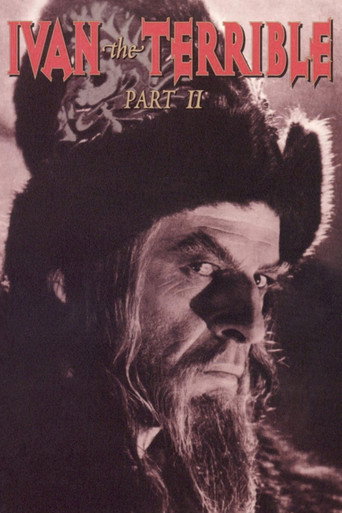
Ivan the Terrible, Part II: The Boyars' Plot
This is the second part of a projected three-part epic biopic of Russian Czar Ivan Grozny, undertaken by Soviet film-maker Sergei Eisenstein at the behest of Josef Stalin. Production of the epic was stopped before the third part could be filmed, due to producer dissatisfaction with Eisenstein's introducing forbidden experimental filming techniques into the material, more evident in this part than the first part. As it was, this second part was banned from showings until after the deaths of both Eisenstein and Stalin, and a change of attitude by the subsequent heads of the Soviet government. In this part, as Ivan the Terrible attempts to consolidate his power by establishing a personal army, his political rivals, the Russian boyars, plot to assassinate him.
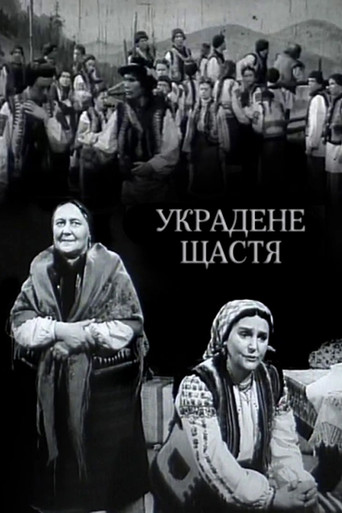
Stolen Happiness
Based on a play by Ivan Franko. Anna married Mykola, but does not love him. She likes young Michael. Against the background of the picturesque Carpathian mountains in the nineteenth century unfolds the eternal drama of love and jealousy.
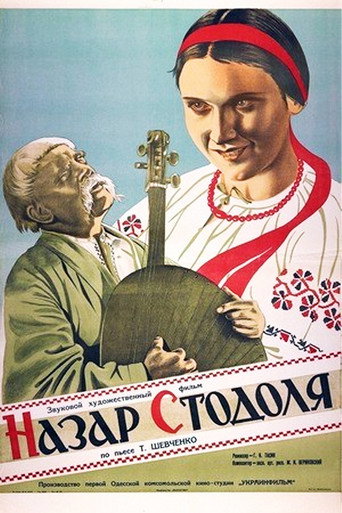
Nazar Stodolya
In the first half of the 17th century, the peasant Nazar Stodolya, sentenced to death by the Polish magnate Haletsky, is rescued by his friend Hnat. Later, Nazar and Hnat find themselves in the estate of the Ukrainian centurion Kichaty. The centurion, having invited a priest, persuades the fugitives to sign a paper stating that they have voluntarily been assigned to Kichaty's estate. Hnat does not sign the paper, and Nazar, falling in love with the owner's daughter Halia, easily puts his signature and thus falls into another bondage. Soon, Hnat leads the people's struggle against the oppressors, and Nazar and Halya join the rebels.
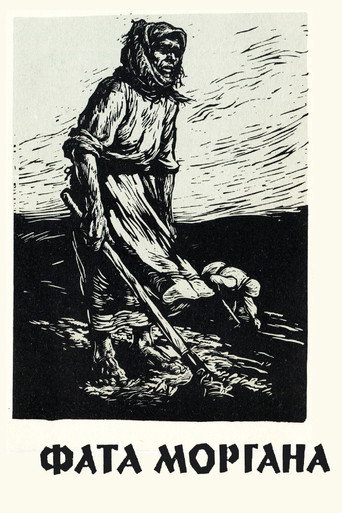
Fata Morgana
Based on the Mykhailo Kotsiubynskyi’s novel. At the distillery farmers begin to strike. Local rich men without punitive detachment begin reprisals from rebels. Punitive detachment of dragoons, who called from the city, only completes the massacre.
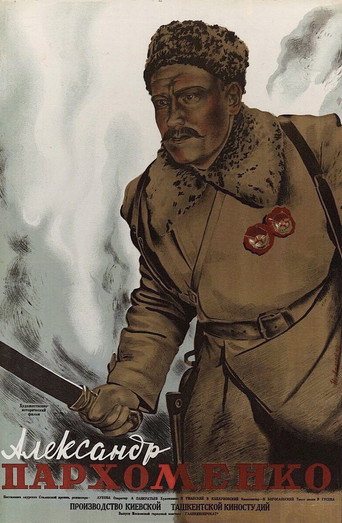
Aleksandr Parkhomenko
About the life and heroic death of the old Bolshevik-Lugansk resident, participant in the civil war, Aleksandr Yakovlevich Parkhomenko. In 1918, capturing Ukraine, the German occupiers sought to use the Haidamaks, the White Guards and the Greens in their struggle. By order of Voroshilov, Aleksandr Parkhomenko from Lugansk arrives in Tsaritsyn. At the same time, the Germans launched an active offensive. The "red" battalions are poorly armed, however, Parkhomenko manages to raise them to the attack and put the enemy to flight.
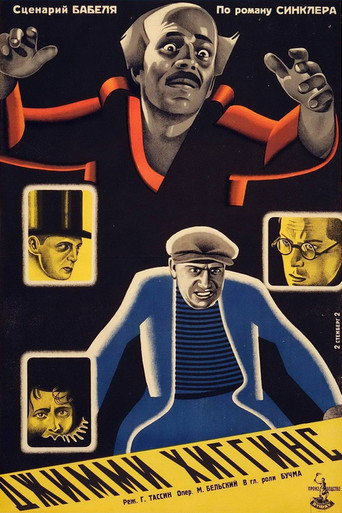
Jimmy Higgings
Jimmy Higgings is a worker of the plant making weapons for the Tsarist Russia and the German Empire. During World War I, Jimmy speaks at a spontaneous rally against the war. He is arrested. When released, he becomes unemployed. He is happy to hear the news about the revolution; he volunteers into the American expeditionary force thinking that having the weapons he can fight against Germans – the enemies of the Russian revolution. However, finding himself in Russia, Jimmy soon realises that the expeditionary force of American volunteers fights not against the Germans, but against the young Socialist Russia. Without any hesitations, he takes the path of revolutionary struggle, he spreads propaganda among the American soldiers and distributes Bolshevik leaflets. Captured by the American military police, Jimmy Higgings does not betray his friends. He is sentenced to twenty years in a military prison. Jimmy cannot stand it and loses his mind. Lost movie.
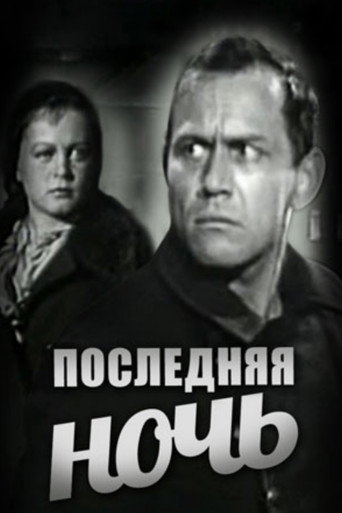
The Last Night
Historical-revolutionary film about the struggle of the Bolshevik underground against the interventionists during the civil war in Odessa, about the participation of children in underground work.
Production
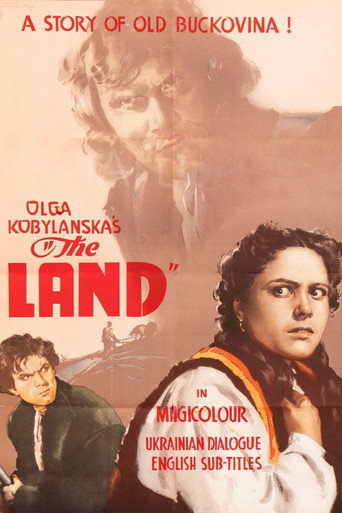
Earth
XIX century. The village of Dymka in Bukovina. The wealthy peasant Ivonic and his wife Maria have two sons - Mykhailo and Sava. Mykhailo has fallen in love with Anna, and is afraid to confess to his parents because it is not known how they will react. Sava fell in love with Rahira, who has a bad reputation in the village. She incites Sava's hatred towards his older brother Mykhailo, because he should get a better land.
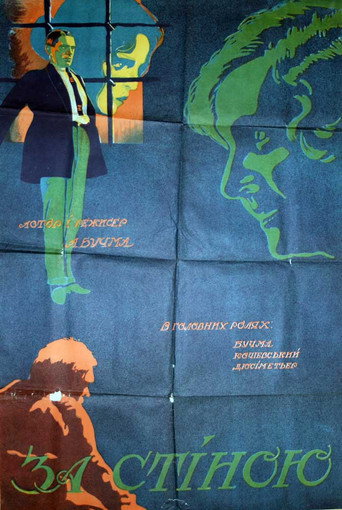
Behind the Wall
Based on the work of the same name by the Russian writer G. Danilevsky.
Behind the Wall
Based on the work of the same name by the Russian writer G. Danilevsky.
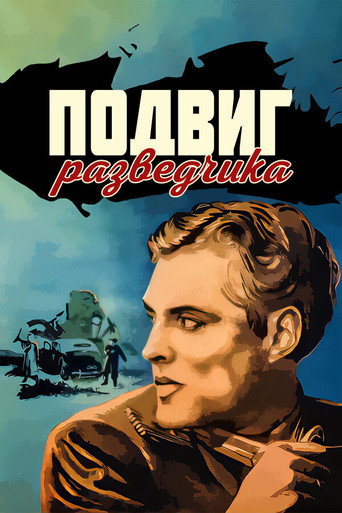
Secret Agent
Soviet agent Fedotov is air-dropped into Nazi occupied land. He changes over into Mr. Ekhert, a German entrepreneur wishing to take advantage of eastern worker slave labor in occupied Ukraine. Ekhert (Fedotov) enters into a partnership with a German entrepreneur who's son, Willie, is a high ranking Nazi. Together they go to Vinnitsa, Ukraine and start a factory. Fedotov begins seeking contacts with headquarters, but faces problems when a Ukrainian Nazi collaborator manages to infiltrate the Soviet partisans.
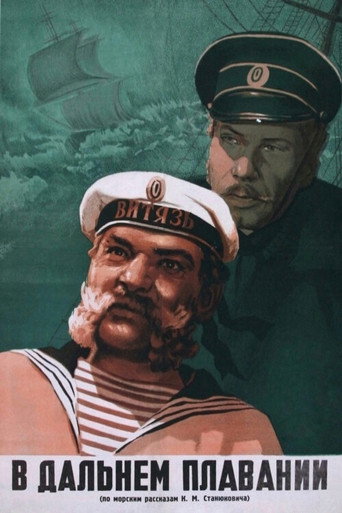
In the Long Voyage
The Vityaz sailing corvette, whose team has to endure severe trials, goes on a flight. Relations between the sailors and the stupid and soulless baron von Berg replacing the senior officer did not develop. By his behavior, he causes the hatred of the whole crew, which develops into a riot when he gives the order to drown the darling of the whole team - a little puppy. All this, as well as a storm in the Pacific Ocean and other dangerous adventures, rally people even more and make them even stronger and more courageous.
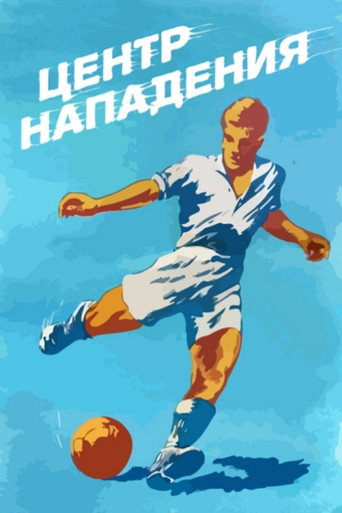
Center Forward
At the height of the season, the famous football player leaves his team: he is a motorcycle designer and his presence at the factory is necessary. However, he does not give up football, but becomes the center of attack of the city team. His goalkeeper friend stubbornly regards the hero’s departure as a betrayal ...
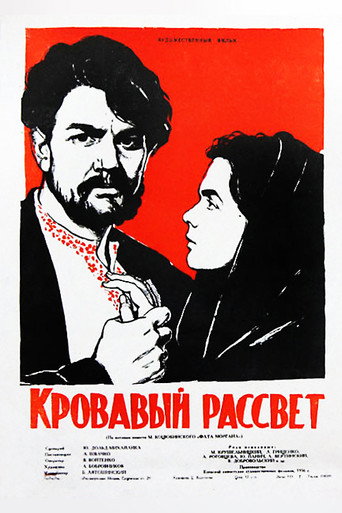
Bloody Dawn
Adaptation of Mykhailo Kotsiubynskyi's novel “Fata Morgana“, film debut of Ada Rogovtseva. 1905. The peasant Marko Hrusha returns to his native village and leads a struggle against the landlords for land. He is arrested but later released. After his release, his struggle becomes even stronger...
Gallery