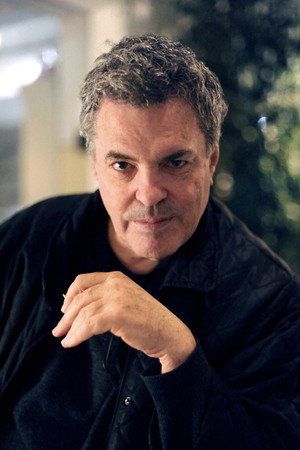
Amos Gitai Movies, TV Shows, and Filmography
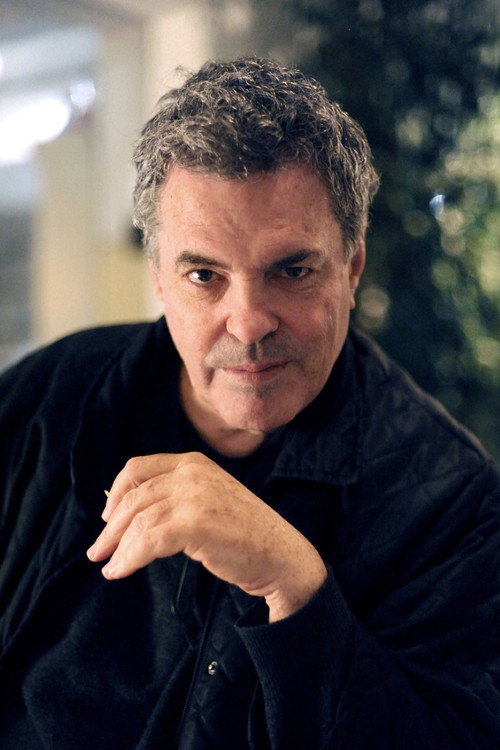
Amos Gitai
Directing
Biography
From Wikipedia, the free encyclopedia. Amos Gitai (born 11 October 1950 in Haifa, Israel) is an Israeli film director. Description above from the Wikipedia article Amos Gitai, licensed under CC-BY-SA, full list of contributors on Wikipedia.
Filmography Movies
Acting
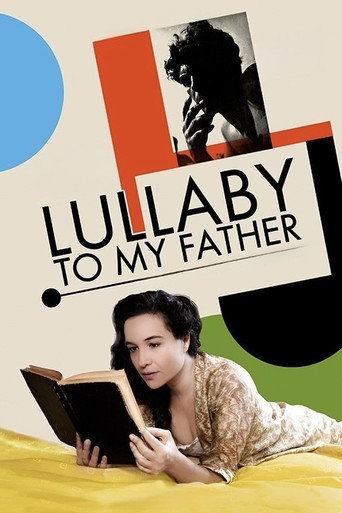
Lullaby to my Father
The film intertwines historical events and intimate memories. I observe how architecture represents the transformations of society and those who give form to this architecture. We follow the journey of Munio, my father, born in 1909 in Silesia, Poland, the son of a tenant farmer of a Prussian junker. At the age of 18, Munio goes to Berlin and Dessau to meet Walter Gropius, Kandinsky and Paul Klee at the Bauhaus. In 1933, the Bauhaus was closed by the Nazis, who accused Munio of treason against the German people. Munio was imprisoned, then deported to Basel. He left for Palestine. Upon his arrival in Haifa, he began a career as an architect and adapted European modernist principles to the Middle East.
Shards of Cinema and Philosophy
Inspired by the "The wind of cinema" festival which every year deals with issues relating to the relationship between cinema and philosophy, it shows a conversation between the critic Enrico Ghezzi and some directors including Werner Herzog, Amos Gitai, and the philosopher Boris Groys. The theme addressed is the "Catastrophe".
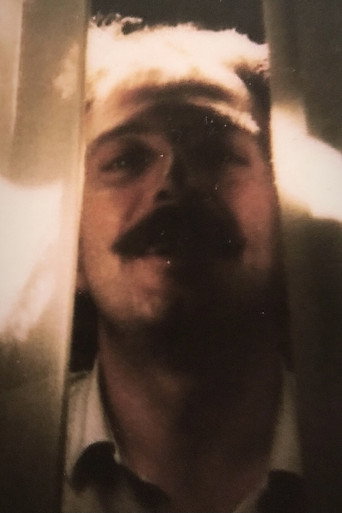
Marco Melani - The Man With The Golden Eye
"The Man With The Golden Eye" tells the extraordinary figure of Marco Melani through a live projection of materials collected in over ten years of research. Found footage, unpublished interviews with cinema and television personalities, fragments of films, extracts from television programs, photographs, readings and interventions by the author, intertwine giving voice to a chorus of precious testimonies.
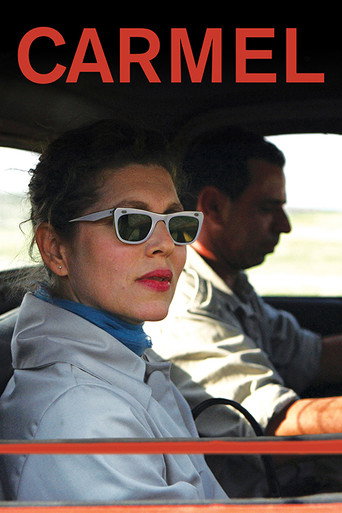
Carmel
Israeli filmmaker Amos Gitaï offers a look impressionist long history of armed conflict in their nation.
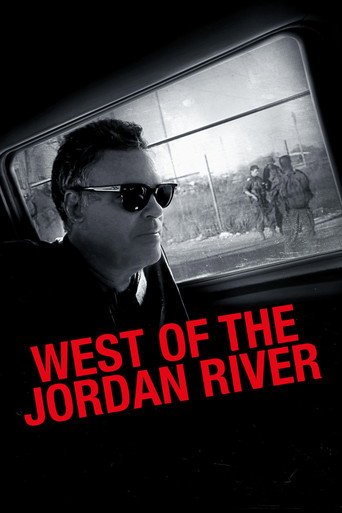
West of the Jordan River
Amos Gitai returns to the occupied territories for the first time since his 1982 documentary FIELD DIARY. WEST OF THE JORDAN RIVER describes the efforts of citizens, Israelis and Palestinians, who are trying to overcome the consequences of occupation. Gitai's film shows the human ties woven by the military, human rights activists, journalists, mourning mothers and even Jewish settlers. Faced with the failure of politics to solve the occupation issue, these men and women rise and act in the name of their civic consciousness. This human energy is a proposal for long overdue change.
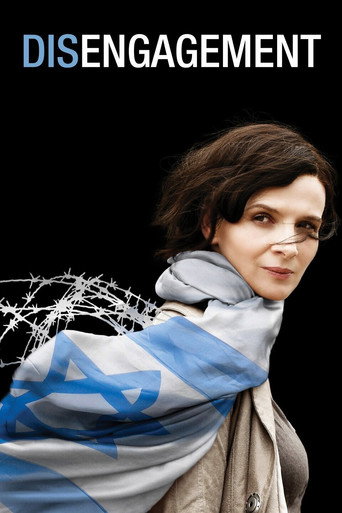
Disengagement
A political drama centered around Israel's pullout from the occupied Gaza strip, in which a French woman of Israeli origin comes to the Gaza Strip to find her long ago abandoned daughter.
A Letter to a Friend in Gaza
Gitai pays homage to Albert Camus and explores the return to Palestinian villages while interjecting texts by Izhar Smilansky, Emile Habibi, Mahmoud Darwish, and Amira Hass.
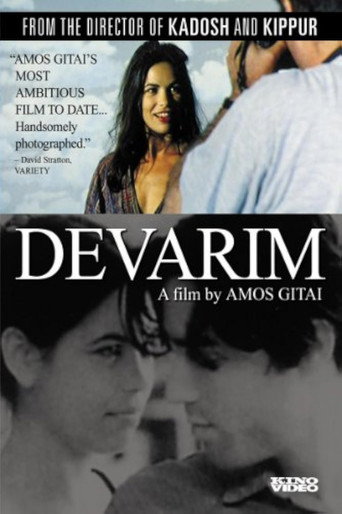
Things
The story of three men living in Tel Aviv. They set off to attend a funeral. Unfortunately, they cannot find the right cemetery. Later the story shifts to their complex love lives.
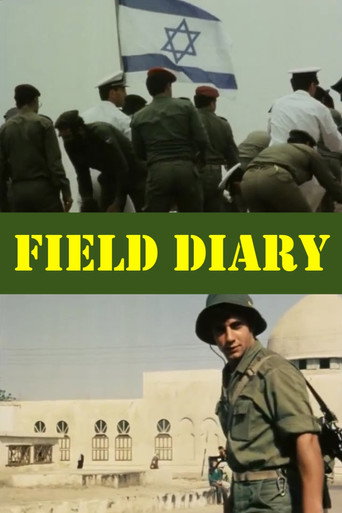
Field Diary
The story of various journeys through the West Bank and Gaza Strip occupied territories during the months leading up to Israel's invasion of Lebanon.
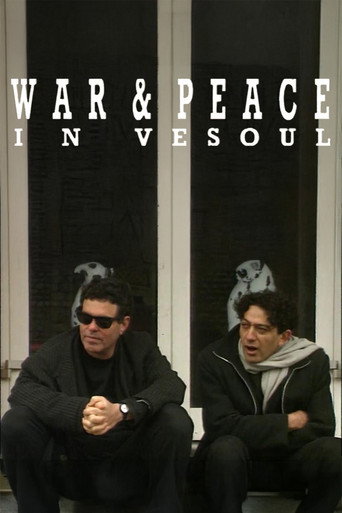
War and Peace in Vesoul
In the train on the way to the Festival in Vesoul, filmmakers Amos Gitai and Elia Suleiman talk about the subjects that preoccupy them: war and peace in the Middle East, their film projects, their cities, their private lives… In Vesoul, the French welcome is rather comical and the questions of war and peace in the Middle East create misunderstandings: through a kind of inverted exoticism, we end up wondering who is really the “stranger” in this story.
Production
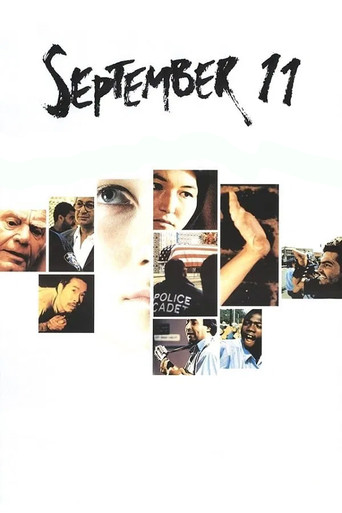
September 11
An anthology of short films inspired by the events of the September 11 World Trade Center attacks.
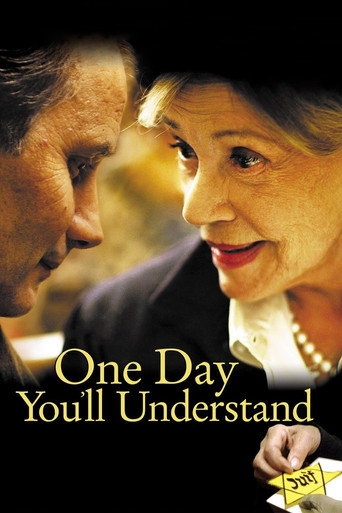
One Day You'll Understand
A man endeavors to collect memories of his grandparents who died in a concentration camp during the Holocaust.
One Day You'll Understand
A man endeavors to collect memories of his grandparents who died in a concentration camp during the Holocaust.
One Day You'll Understand
A man endeavors to collect memories of his grandparents who died in a concentration camp during the Holocaust.
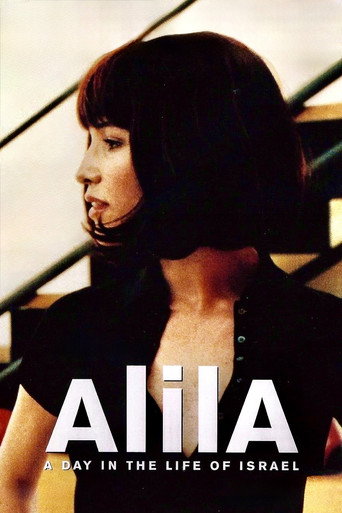
Alila
Life in a Tel Aviv apartment complex, an urban mosaic whose seedy characters, try as they might, can't get out of one another's faces. Gabi, a bobbed haired sexpot, and her lover Hezi—who's older, balding and married—rent a room to have an affair, while Ezra, a pot bellied divorcee, supervises an illegal construction site next door. All this racket drives Schwartz, a Holocaust survivor, to a mental breakdown. Other characters include illegal Chinese immigrants, a teenage boy who's afraid to serve in the army, and a corrupt police detective.
Alila
Life in a Tel Aviv apartment complex, an urban mosaic whose seedy characters, try as they might, can't get out of one another's faces. Gabi, a bobbed haired sexpot, and her lover Hezi—who's older, balding and married—rent a room to have an affair, while Ezra, a pot bellied divorcee, supervises an illegal construction site next door. All this racket drives Schwartz, a Holocaust survivor, to a mental breakdown. Other characters include illegal Chinese immigrants, a teenage boy who's afraid to serve in the army, and a corrupt police detective.
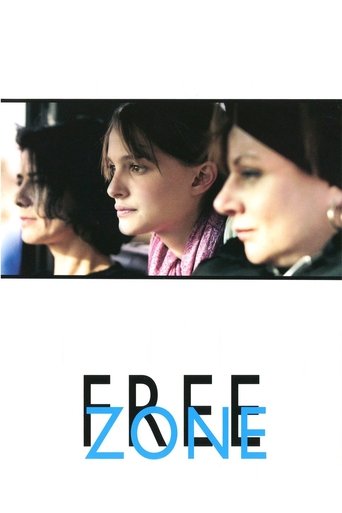
Free Zone
Rebecca, an American who has been living in Jerusalem for a few months now, has just broken off her engagement. She gets into a cab driven by Hanna, an Israeli. But Hanna is on her way to Jordan, to the Free Zone, to pick up a large sum of money.
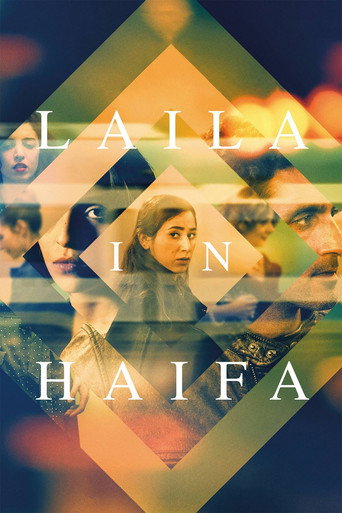
Laila in Haifa
The film was shot entirely in a nightclub, with an adjoining contemporary art gallery, whose customers are both Israelis and Palestinians, in one of Israel’s most open cities, Haifa. A long night in a place where the most diverse people meet: Jews, Muslims, gays, heterosexuals, transvestites; and three women, who in that multifaceted microcosm, a gathering peaceful hideout, can find shelter from male bullying and arrogance.
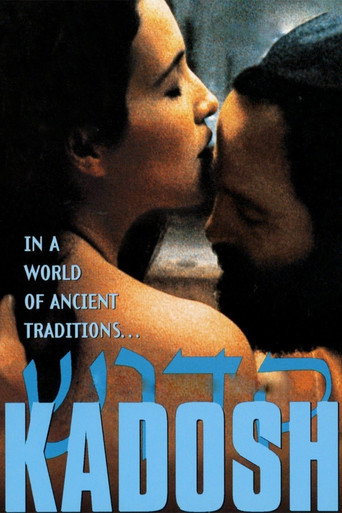
Kadosh
The year 2000 approaches in Jerusalem's Orthodox Mea Shearim quarter, where the women work, keep house, and have children so the men can study the Torah and the Talmud. Rivka is happily and passionately married to Meir, but they remain childless. The yeshiva's rabbi, who is Meir's father, wants Meir to divorce Rivka: "a barren woman is no woman." Rivka's sister, Malka, is in love with Yakov, a Jew shunned by the yeshiva as too secular. The rabbi arranges Malka's marriage to Yossef, whose agitation when fulfilling religious duties approaches the grotesque. Can the sisters sort out their hearts' desires within this patriarchal world? If not, have they any other options?
Kadosh
The year 2000 approaches in Jerusalem's Orthodox Mea Shearim quarter, where the women work, keep house, and have children so the men can study the Torah and the Talmud. Rivka is happily and passionately married to Meir, but they remain childless. The yeshiva's rabbi, who is Meir's father, wants Meir to divorce Rivka: "a barren woman is no woman." Rivka's sister, Malka, is in love with Yakov, a Jew shunned by the yeshiva as too secular. The rabbi arranges Malka's marriage to Yossef, whose agitation when fulfilling religious duties approaches the grotesque. Can the sisters sort out their hearts' desires within this patriarchal world? If not, have they any other options?
Gallery