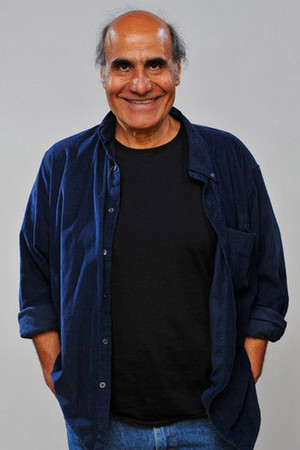
Amir Naderi Movies, TV Shows, and Filmography
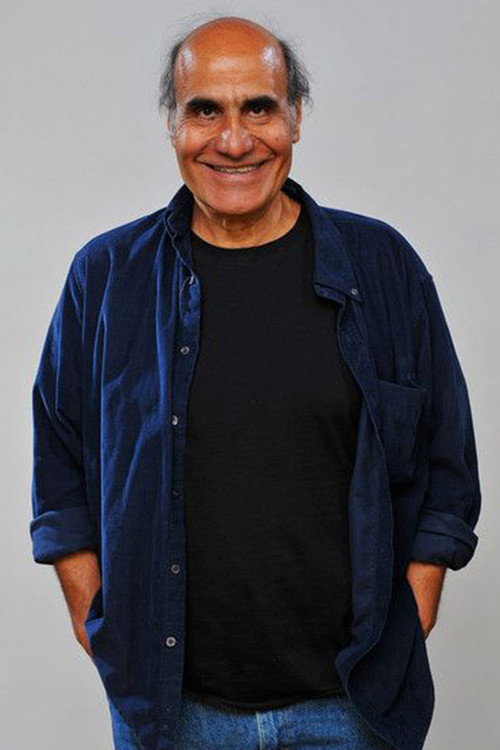
Amir Naderi
Directing
Biography
Amir Naderi was born on August 15, 1946 in Abadan, Iran. He is a director and writer, known for 99 Homes (2014), A, B, C... Manhattan (1997) and The Runner (1984).
Filmography Movies
Acting
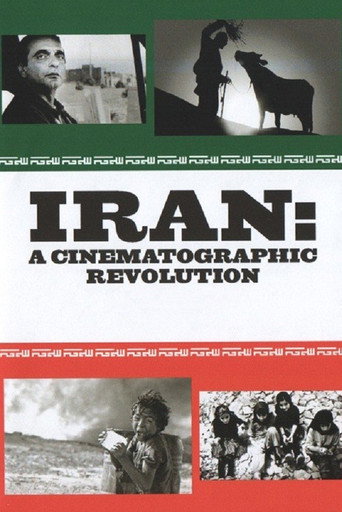
Iran: A Cinematographic Revolution
Today Iranian cinema is one of the most highly regarded national cinemas in the world, regularly winning festival awards and critical acclaim for films which combine remarkable artistry and social relevance. Iran: A Cinematographic Revolution traces the development of this film industry, which has always been closely intertwined with the country's tumultuous political history, from the decades-long reign of Reza Shah Pahlevi and his son, the rise of Khomeini and the birth of the Islamic Republic, the seizure by militants of the U.S. Embassy in Tehran, and the devastating war with Iraq.
Amir Naderi by Amir Naderi
Iranian film director Amir Naderi talks to Zar Amir Ebrahimi about his career in this documentary directed and produced by Ebrahimi and broadcast by BBC World Service and BBC Persian. Amir Naderi is one of the most influential figures of Iranian modern cinema. He was born in 1945 in the Persian Gulf port of Abadan. Orphaned at an early age and living the life of a street urchin, Naderi had to survive by selling ice, working as a shoeshine boy and recycling empty beer bottles. He developed his knowledge of cinema by watching films in the theaters where he worked at a very young age. He began his career by taking pictures for some notable Iranian features. In the 1970’s, he started directing his own films, and made some of the most important movies of the New Iranian Cinema. After moving to New York in the early 90’s, Amir Naderi continued to make films. They have premiered at the Venice, Cannes, Tribeca, and Sundance Film Festivals.
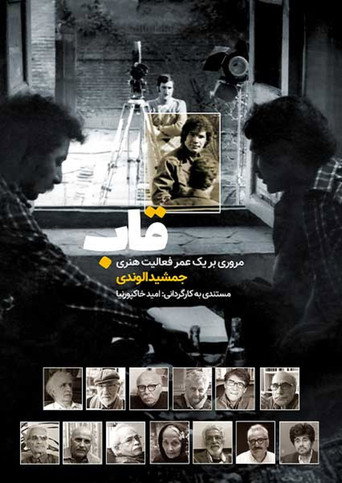
Frame
In the memory of Jamshid Alvandi
Production
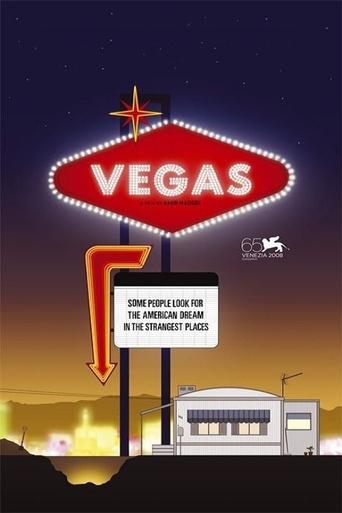
Vegas: Based on a True Story
The film takes place away from the glittering strip of mega casinos, but the greed of Sin City is just as pervasive on the desert outskirts. This is where a happy family learns of a forgotten fortune that may be buried beneath their home. Their lives are turned upside down. A sophisticated study of just how far people are able and willing to go if faced with the tempting prospect of easily acquired wealth.
The Winner
An unfinished short film by Amir Naderi
The Winner
An unfinished short film by Amir Naderi
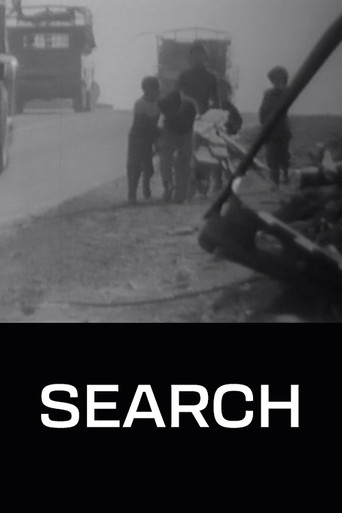
The Search
It all began with "Black Friday" - a massacre on Sept 8, 1978, by the Shah's police. Official pronouncements put the death toll at 200, but the next day the people of Teheran witnessed how thousands of bodies were brought to Behast Zahra cemetery. Yet even this wasn't the whole extent of the tragedy. As the families continued looking for their relatives they began to realize just how many had disappeared. Over the next few months the massacres continued, with many thousands more disappearing, until February 11th, 1979, victory day for the Revolution. Naderi's film follows this search for the missing, through which the terrible truth is gradually revealed. The film is not only a documentary but also a document of a horrible crime.
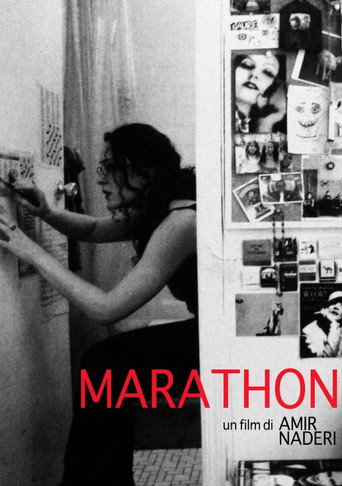
Marathon
A woman continuously solves crossword puzzles everywhere she goes; in subway trains, on buses, and on the streets of New York City.
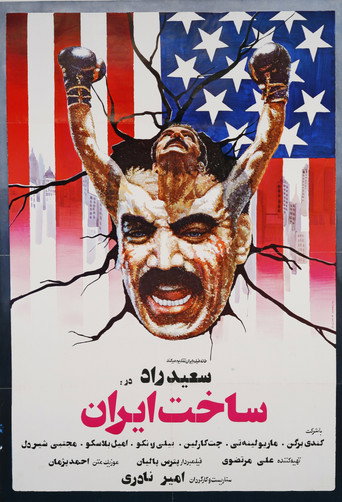
Made in Iran
Ali is a young boxer pursuing his dream of becoming a champion, but he's soon approached by a gangster. He gets involved--agreeing to follow their terms. He wins boxing matches and everything is going okay until they order him to lose a match.
Kayan
Set in the heart of the Middle-Eastern community in modern-day Vancouver, Kayan is a multifarious story of belonging, loyalty and love. Hanin, a Lebanese independent single mother of two, struggles to keep her restaurant, Kayan, afloat. Unexpected revelations in her private life coincide with complications in the lives of her employees and customers. Things take a twisted turn
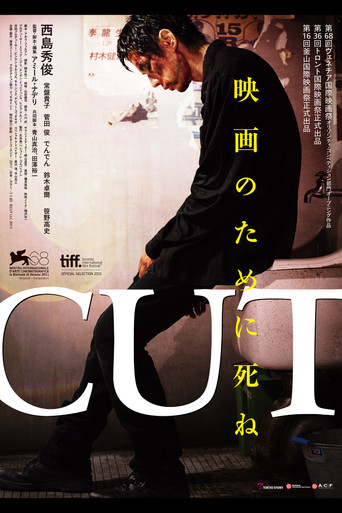
Cut
Shuji is an uncompromising young filmmaker at odds with Japanese society. One day he learns that his loan shark brother, who had helped to finance his films, has been executed by his own yakuza gang for failing to repay his debts.
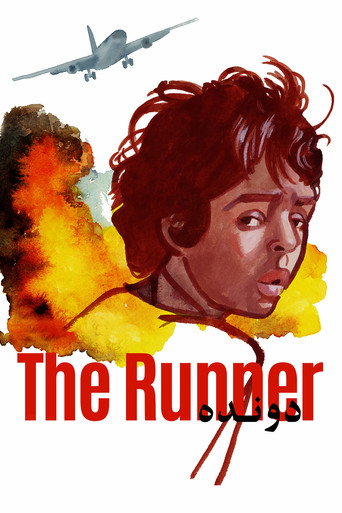
The Runner
A young orphan named Amiro lives alone in an abandoned tanker in the Iranian port city of Abadan. He survives by shining shoes, selling water, and collecting deposit bottles. Although he sometimes finds himself at odds with both adults and competing older kids, he finds solace in dreams about departing cargo ships and airplanes—and by running.
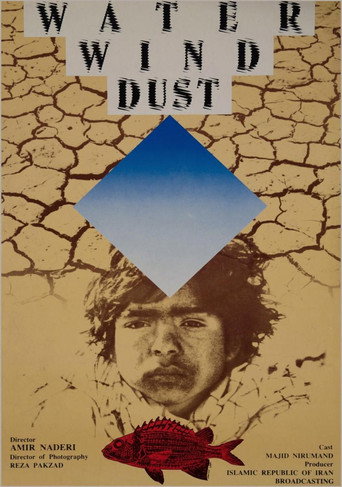
Water, Wind, Dust
A young teenager returns home after an absence to find his village in Iran deserted because of an incredibly severe drought. He begins a search to find his family, traveling through an amazingly bleak and desolate landscape. Primarily an essay on the issue of humans vs. nature, the film is of interest for technical and cultural reasons.
Gallery