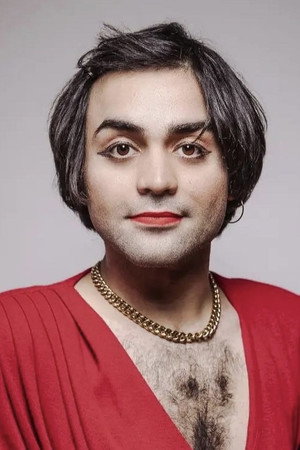
Amina Maher Movies, TV Shows, and Filmography
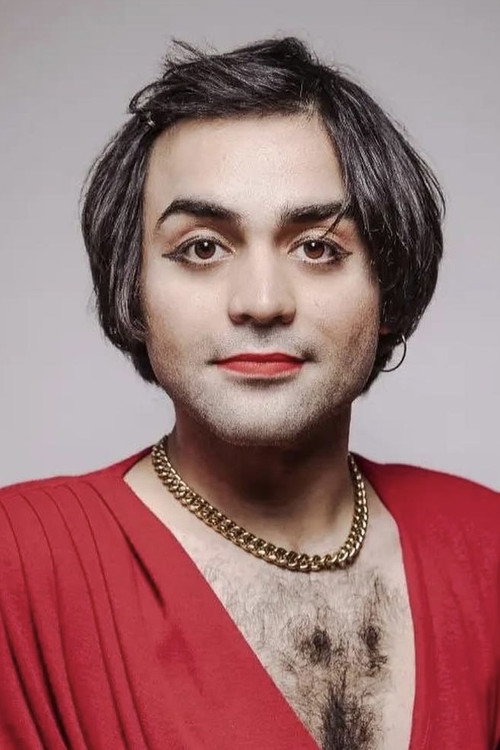
Amina Maher
Directing
Biography
Amina Maher (Persian: امین ماهر, born 1992) is an Iranian-born queer feminist artist, activist, actress, and filmmaker living in Berlin, Germany. Her works are focused on the breakdown of family structure, shame culture, and patriarchal myths. Her creative works criticize traditions, media, culture, and norms. Her cinematic activity began as the main actor in Abbas Kiarostami and Mania Akbari´s Ten (2002) nominated for the Palme d'Or at Cannes Film Festival. Since then, she acted, edited and has been in films that have been part of festivals such as Cannes Film Festival, British Film Institute, San Sebastián International Film Festival and International Film Festival Rotterdam. Her directorial short films have been internationally well received with +200 festival participations and +50 Awards from festivals such as Ann Arbor Film Festival, TLVFest, Reeling: The Chicago LGBTQ+ International Film Festival, Expresión en Corto International Film Festival and Shorts México, among many others. Her three short films - Letter to My Mother, Out of Frame and Where Is the Friend´s Home? - have been part of the Internationales Frauen* Film Fest Dortmund+Köln and Museum Ostwall in 2022. Her creative work explores childhood memories, mental health and self-realization with a mission to amplify trans and queer storylines. Her first directorial debüt feature has been part of Berlin International Film Festival - Dok Station Lab, Copenhagen International Documentary Film Festival - CPH:DOX Forum, and FID Lab Marseille Festival of Documentary Film. Description above from the Wikipedia article Amina Maher, licensed under CC-BY-SA, full list of contributors on Wikipedia.
Filmography Movies
Acting
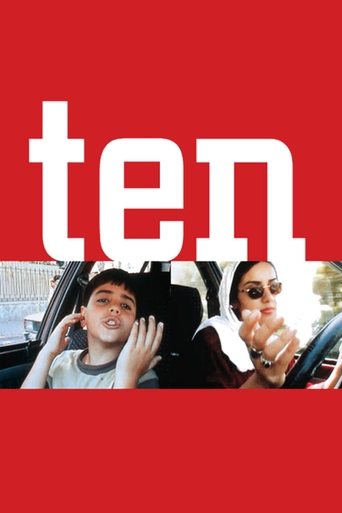
Ten
A visual social examination in the form of ten conversations between a driving woman and her various pick-ups and hitchhikers.
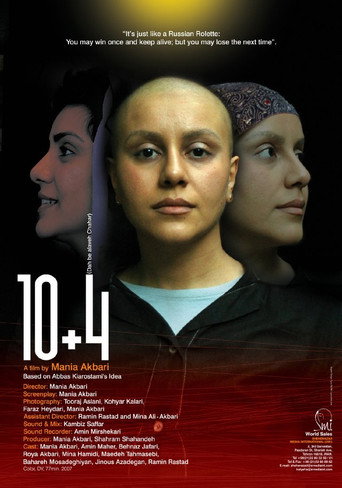
10 + 4 (Dah be alaveh chahar)
After casting painter and video artist Mania Akbari as the central figure of his groundbreaking Ten (2002), and then witnessing her outstanding debut as a feature film director in 20 Fingers (2004), Abbas Kiarostami urged her to direct a sequel to the film. In Dah be alaveh Chahar (10 + 4), though, circumstances are different: Mania is fighting cancer. She has undergone surgery; she has lost her hair following chemotherapy and no longer wears the compulsory headscarf; and sometimes she is too weak to drive. So the camera follows her to record conversations with friends and family in different spaces, from the gondola she had famously used in her first feature to a hospital bed.
Production
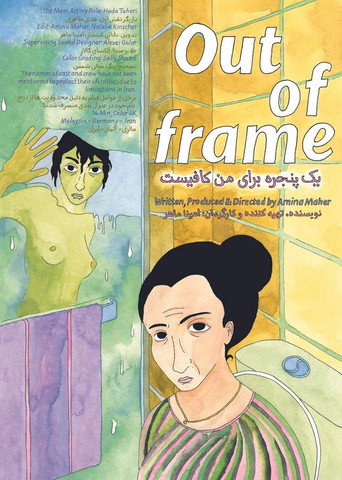
Out of Frame
Living in the confinement of a shared apartment with her controlling mother, Narges is soon confronted with the traumatic situation that women face under patriarchy. A sensitive, brave account about womanhood in modern-day Iran.
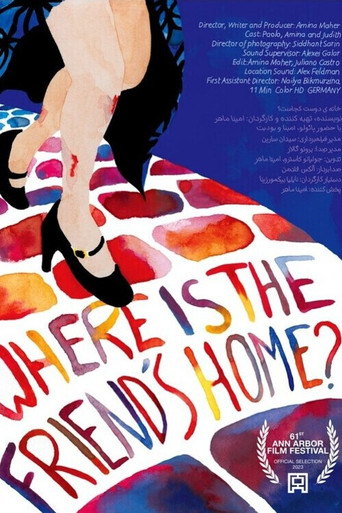
Where Is the Friend's Home?
In search of the creation of an autonomous body, Amina Maher reveals her unspoken desires in the process of honest self-exploration, sharing the most private of moments and breaking silences with the help of a friend.
I Look Like My Mother
I Look Like My Mother follows Amina Maher’s courageous journey to free herself from the constraints of norms, taboos and traditions. Her coming-out as a trans woman is her rebellious stand against rape culture and patriarchy, and her strong support for a future beyond cis-normativity. Ten by Kiarostami recorded ten-year-old Amina sitting in the passenger seat of her mother’s car without her consent. Now, she has taken the wheel, driving her actress mother, Mania Akbari, through Berlin – in a new body and with a new name, Amina. On her journey, Amina navigates through highs and lows with humour and energy, looking to transform the overshadowing past in playful dream sequences and in honest discussions with her queer community. With sheer endless creative energy, she transforms her present and past experiences into beautiful elegies of a struggle for her own truth – in her own terms. There is nothing to stop Amina from putting her foot down on the accelerator now.
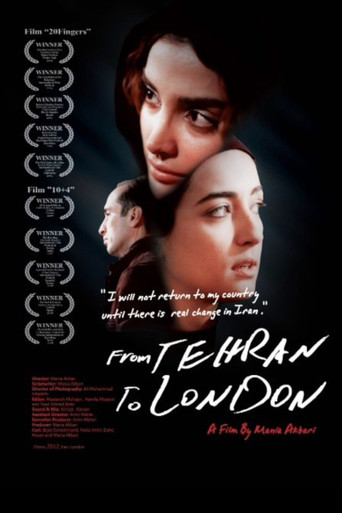
From Tehran to London
Mania Akbari’s From Tehran to London (2012), has a Russian-doll structure. It begins with Akbari shooting her latest film entitled Women Do Not Have Breasts about a couple, the young poet and writer Ava and her upper-class older husband Ashkan, who live in a large, beautiful – yet isolated – house in the hilly outskirts of the city. Household workers Maryam and Rahim attend to their needs. But despite their comfortable lives, Ava is increasingly dissatisfied and estranged in her relationship with Ashkan. What seems to have been an exciting relationship in the past is now little more than a series of mutual reproaches, as Ashkan incessantly tries to change Ava into someone she isn’t – a dutiful wife.
From Tehran to London
Mania Akbari’s From Tehran to London (2012), has a Russian-doll structure. It begins with Akbari shooting her latest film entitled Women Do Not Have Breasts about a couple, the young poet and writer Ava and her upper-class older husband Ashkan, who live in a large, beautiful – yet isolated – house in the hilly outskirts of the city. Household workers Maryam and Rahim attend to their needs. But despite their comfortable lives, Ava is increasingly dissatisfied and estranged in her relationship with Ashkan. What seems to have been an exciting relationship in the past is now little more than a series of mutual reproaches, as Ashkan incessantly tries to change Ava into someone she isn’t – a dutiful wife.
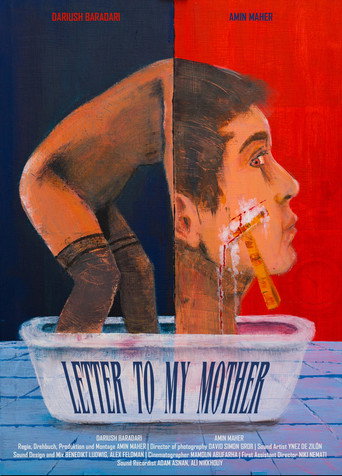
Letter to My Mother
A daughter pushes at the bounds of her relationship with her mother as she unpicks the psychological consequences of the violence she suffered.
Gallery