Amaia Merino Movies, TV Shows, and Filmography

Amaia Merino
Writing
Biography
Amaia Merino (San Sebastián, 1970) is an actress, director, writer and editor. She lives in Ecuador, where she works as an editor and screenwriter of non-fiction films. During the last fifteen years he has made feature films such as Blak Mama, Más allá del Mall, Resonancia, En espera, El pan nuestro, 1809-1810 Mientras llega el día y Asier ETA biok (Asier y yo).
Filmography Movies
Acting
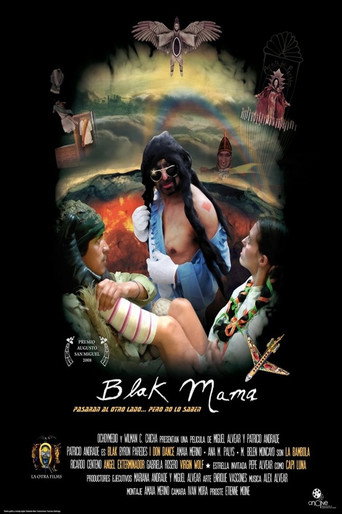
Blak Mama
Three paper recyclers depart on a journey to the Door of Forgiveness to pay tribute to Virgin Wolf, a mysterious Andean deity.
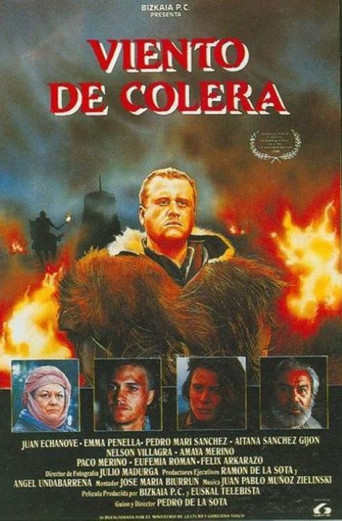
Viento de cólera
Two soldiers accompanied by two women enter the Baztán valley on horseback. They are deserters from the army of the Indies who are fleeing to Italy. They arrive to claim the inheritance of one of them, León de Balanza, Captain in Peru and soldier without fortune. They are looking for old Balanzategui who works the land of his ancestors. The old man's refusal to distribute the farmland's land causes a serious conflict.

Alba
Alba, 11 years old, passes her days in silence. She loves little animals. She has learned to cope with her mother's illness, helping her to use the bathroom. Alba plays silently so that her mother can rest during the day. One night Alba's mother gets worse, and has to be taken to the hospital. With no one else to take care of her, Alba is sent to live with her father, who she hasn't seen since she was three years old. Living with her father is almost unbearable. Embarrassment, her first kiss, visits to mother in the hospital, Edgar's tender efforts to get close to her, and bullying at school; these are some of the experiences that pave Alba's journey to puberty and to self-acceptance.
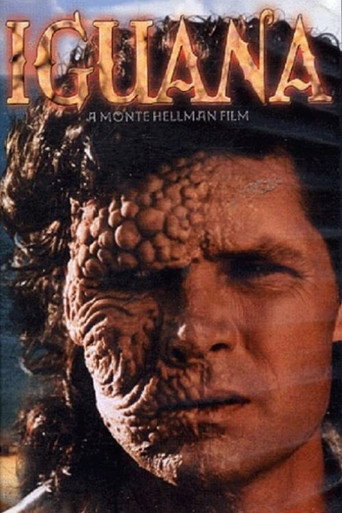
Iguana
A grotesquely disfigured harpooner called Iguana is severely mistreated by his fellow sailors on a whaling ship in the 19th century. One night he escapes and takes up residence on a remote island. He makes himself ruler of the island and declares war on mankind. Anyone unfortunate enough to wind up on the island with Iguana is subjected to his cruel tyranny.
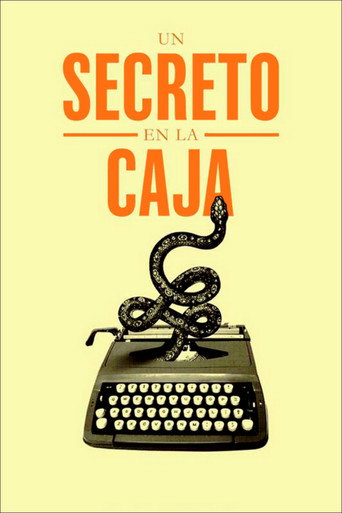
A Secret in the Box
The life and works of Ecuadorian writer Marcelo Chiriboga, a key figure of the Latin American literature and member of the “boom” generation. Through interviews, visits to different cities, archival footage and his most important book, a puzzle is woven that blurs the boundaries between reality and fiction.
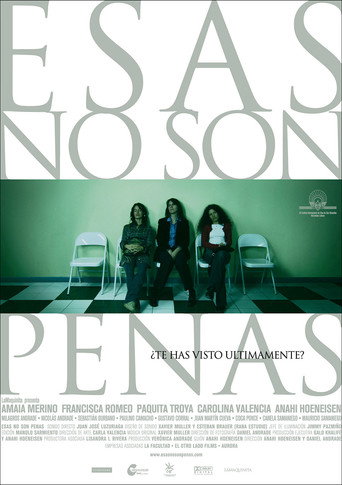
Esas no son penas
One day five women from Quito, friends in their teens, decide to get back together after fourteen years. Helena is waiting for her second child, Marina lives the ups and downs of infidelity, Diana, an early widow, shares her loneliness with her 15 year old daughter and Tamara has not abandoned the random life of nightclubs, men and drugs. The purpose of their get-together is to visit their old classmate, Alejandra, who is consumed by an illness.
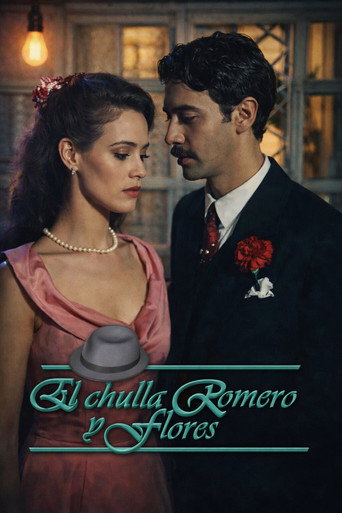
The Chulla Romero y Flores
A conflicted mestizo man in Quito rejects his roots and tries to pass as part of the white elite, building a fragile identity based on appearances. As his ambitions clash with reality, his relationships and sense of self begin to unravel.
Production
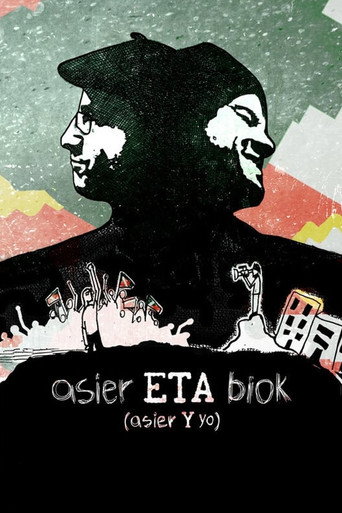
Asier ETA biok
Asier and I grew up in the Basque Country. But one day he disappeared, later I found out he had joined ETA.

Fantasía
Siblings Amaia and Aitor are about to turn fifty. They have no children. From a very young age they have lived apart from their parents, Kontxi and Iñaki, now retired. One summer they all meet up on the cruise ship 'Fantasía'. On the high seas time seems to have stopped, but beyond the horizon reality continues to forge its way ahead tirelessly.
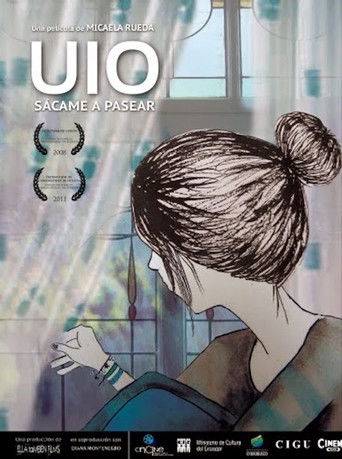
Take Me for a Ride
Starting her senior year in high school, Sara doesn't have many friends and is caught between an overbearing mother, and a more understanding father. With uneasiness at school and tension in the household, Sara escapes to smoke in a little alley alone – that is – until Andrea, a new classmate, arrives. A close friendship develops to all that can see, but behind closed doors, an intimate relationship unfolds, which, when discovered, throws everything into disarray.
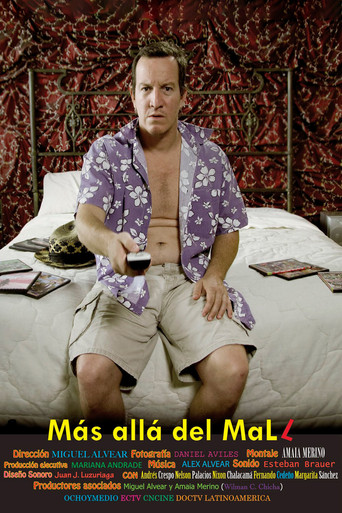
Beyond the mall
Is there an audience for Latin American movies? These are some of the questions posed by an Ecuadorian filmmaker whose latest movie was a commercial flop. He embarks on a query to find answers to his questions and relief for his despair. His research leads him to a giant contraband market in the port city of Guayaquil, where pirated movies from all over the world are sold for one dollar each. Here, he discovers a number of Ecuadorian low budget movies produced by amateurs, with titles he had never heard of before: from action packed productions to evangelical melodramas.
Beyond the mall
Is there an audience for Latin American movies? These are some of the questions posed by an Ecuadorian filmmaker whose latest movie was a commercial flop. He embarks on a query to find answers to his questions and relief for his despair. His research leads him to a giant contraband market in the port city of Guayaquil, where pirated movies from all over the world are sold for one dollar each. Here, he discovers a number of Ecuadorian low budget movies produced by amateurs, with titles he had never heard of before: from action packed productions to evangelical melodramas.
Beyond the mall
Is there an audience for Latin American movies? These are some of the questions posed by an Ecuadorian filmmaker whose latest movie was a commercial flop. He embarks on a query to find answers to his questions and relief for his despair. His research leads him to a giant contraband market in the port city of Guayaquil, where pirated movies from all over the world are sold for one dollar each. Here, he discovers a number of Ecuadorian low budget movies produced by amateurs, with titles he had never heard of before: from action packed productions to evangelical melodramas.
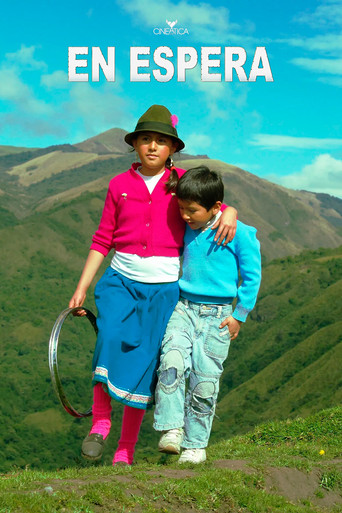
On Hold
Between the city and the countryside, the subtle and modern forms of slavery unfold. A girl waits for the pick-up truck that will transport her to the city. Once there, amidst a never-ending row of walls and fences, she peeks into the entrance to a school. Lined up and in uniform, those girls are not the ones Carmen will join.

Mirande
"In the mid 20th century Jon Mirande demonstrated with his prose that the Basque language was capable of producing cultured, universal literature. Everybody recognises its importance. But he is still a taboo subject. De Mirande is said to have been a racist. A paedophile. Nazi. Misogynist. Immoral. Every time his name is mentioned, fiery controversies break out. We don't know what to do with him. I want to make a film about Mirande. But I don't know how. Perhaps it would be more interesting to give him the floor". (Josu Martinez)
Asier ETA biok
Asier and I grew up in the Basque Country. But one day he disappeared, later I found out he had joined ETA.
Asier ETA biok
Asier and I grew up in the Basque Country. But one day he disappeared, later I found out he had joined ETA.
Gallery