Amândio Coroado Movies, TV Shows, and Filmography
Amândio Coroado
Production
Biography
No biography available.
Filmography Movies
Acting
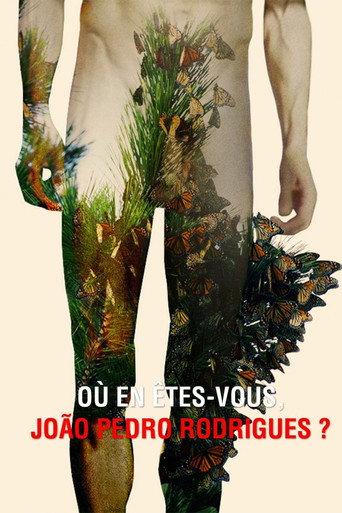
Where Do You Stand Now, João Pedro Rodrigues?
João Pedro Rodrigues answers the question from the title with an autobiographical short-film.
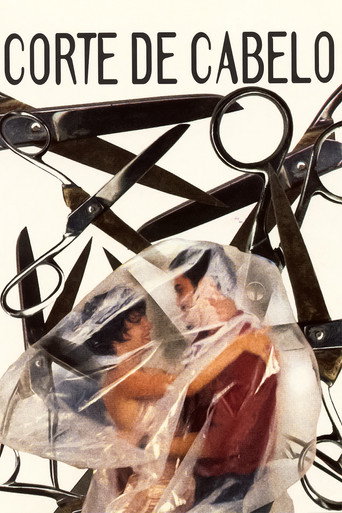
Haircut
The film is set in Lisbon, and tells the story of a day in the life of Rita and Paulo, a Portuguese young couple of the 90's. The fast changing city around them makes them wish to break with all traditions and live the day the get married (only civil marriage) like it is an ordinary day.
Production
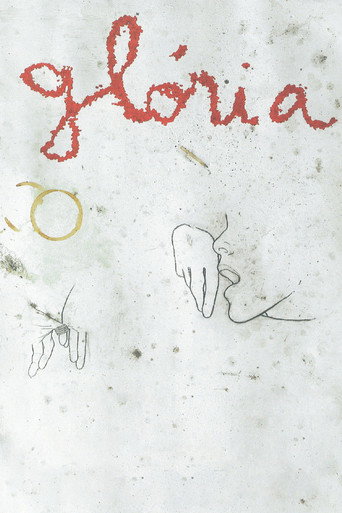
Gloria
Gloria is set against the backdrop of a rural landscape slowly disappearing in modern Portugal. The small border town of Vila de Santiago, once a booming trade center for illegal trafficking, is about to become a ghost town, as a new motorway is to bypass the city and the railway station is being closed. Its stationmaster, Vincente, is preparing to retire. Many young people have moved out, leaving the children to be brought up by the elderly, including thirteen-year-old Glória and her friend Ivan. Glória's life suddenly changes with the arrival of Vincente's younger brother, Mauro, who has just come out of prison and has some old issues to settle. Mauro begins to charge around the station on his motorbike, while Glória's friendship with Ivan is put to test on account of her attraction to older Mauro.
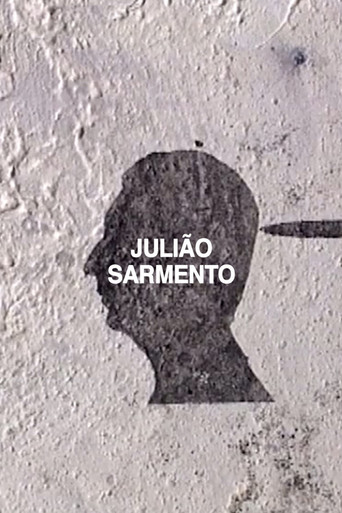
Julião Sarmento
A documentary on one of the most important Portuguese Plastic Artists, with greatest International projection. Shown here are his techniques, themes, and obcessions developed for over two decades, as well as its ramifications into different supports such as Video, Photography, literature, taking the rare oportunity granted by a full retrospective of his work at the Gulbenkian Foundation in Lisbon, including the works dispersed through International collections.
Julião Sarmento
A documentary on one of the most important Portuguese Plastic Artists, with greatest International projection. Shown here are his techniques, themes, and obcessions developed for over two decades, as well as its ramifications into different supports such as Video, Photography, literature, taking the rare oportunity granted by a full retrospective of his work at the Gulbenkian Foundation in Lisbon, including the works dispersed through International collections.
Julião Sarmento
A documentary on one of the most important Portuguese Plastic Artists, with greatest International projection. Shown here are his techniques, themes, and obcessions developed for over two decades, as well as its ramifications into different supports such as Video, Photography, literature, taking the rare oportunity granted by a full retrospective of his work at the Gulbenkian Foundation in Lisbon, including the works dispersed through International collections.
Where Do You Stand Now, João Pedro Rodrigues?
João Pedro Rodrigues answers the question from the title with an autobiographical short-film.
This Is My Home
João Pedro Rodrigues films the holiday journey of an emigrant family from Paris to their homeland in Trás-os-Montes. Footage from the couple's daily life in Paris - he is a cobbler and she is a janitor - combined with records from their car journey through French and Spanish highways to Portugal and with moments of their holidays.
This Is My Home
João Pedro Rodrigues films the holiday journey of an emigrant family from Paris to their homeland in Trás-os-Montes. Footage from the couple's daily life in Paris - he is a cobbler and she is a janitor - combined with records from their car journey through French and Spanish highways to Portugal and with moments of their holidays.
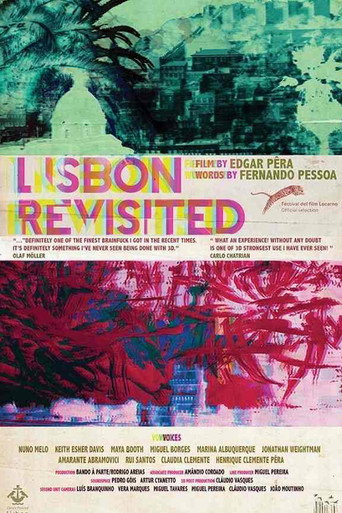
Lisbon Revisited
A dreamlike journey seen through the eyes of a trans-human as well as a kino-symphony of voices from the multiple personas of Fernando Pessoa, Lisbon Revisited shows alternative ways of looking at and hearing the city. Celebrating its greatest phantom and confronting his ambiguous and pervasive sexuality, the film is spoken in the three languages in which Pessoa wrote, Portuguese, English and French.
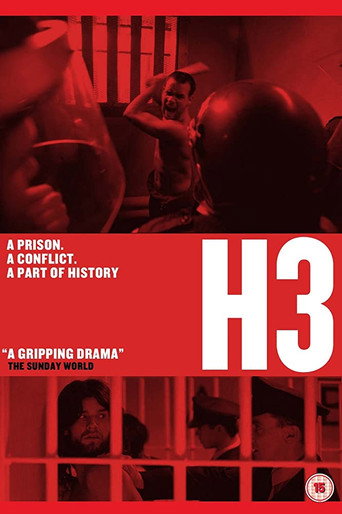
H3
'H3' is a universal story of endurance and courage set inside Europe's most secure prison, the Maze prison in Northern Ireland. Here, in H3 - the bleakest of all the H-blocks - a group of young republican prisoners hold out for what they believe in, refusing to be labeled as criminals or co-operate with prison authorities. However, British Prime Minister Margaret Thatcher is determined that these Republican prisoners will be treated like all the other common criminals in British jails, ending a special regime which allowed the inmates political status to organise life inside the jail along POW lines. The republican prisoners immediately start a 'no-wash' protest, refusing to wear prison-issue clothes or perform work duties, a protest which results in their being locked in their cells for hours on end without exercise, recreation, reading materials and with only blankets to wear for heat...
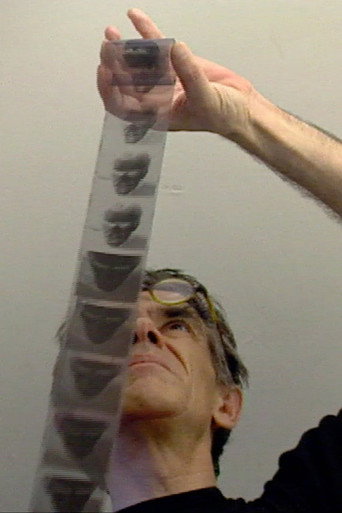
Jorge Molder
First work of José Neves which portrays the artistic personality of Jorge Molder, focusing on the figure and photographic work of Molder in the preparation of his exhibition presented at the 48th Venice Biennale in 1999 where he represented Portugal. The title comes from a previous exposure Molder and an inscription on the door of his photo lab, where part of the film's action is concentrated.