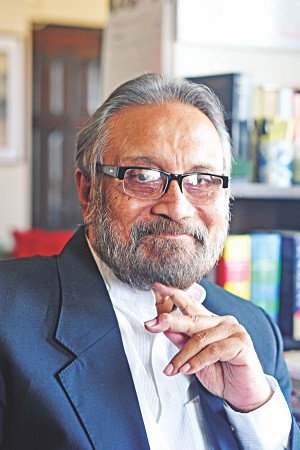
Aly Zaker Movies, TV Shows, and Filmography
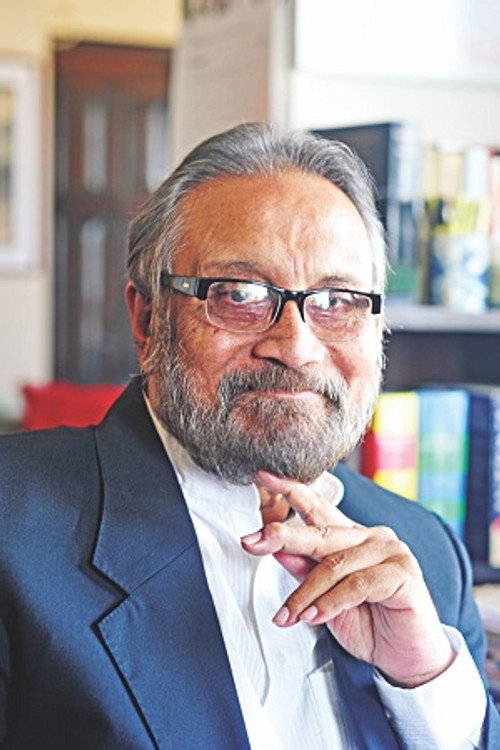
Aly Zaker
Acting
Biography
No biography available.
Filmography Movies
Acting
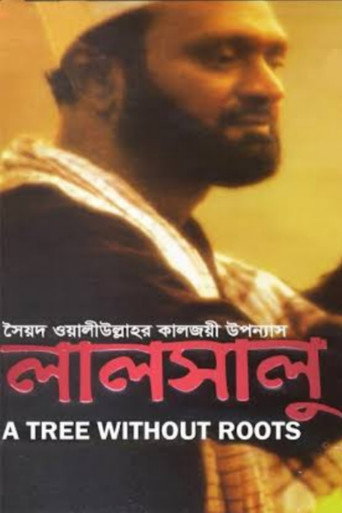
A Tree Without Roots
In this tragic-comic study of religious hypocrisy, a disreputable cleric convinces villagers that their community is home to a famous holyman's grave.
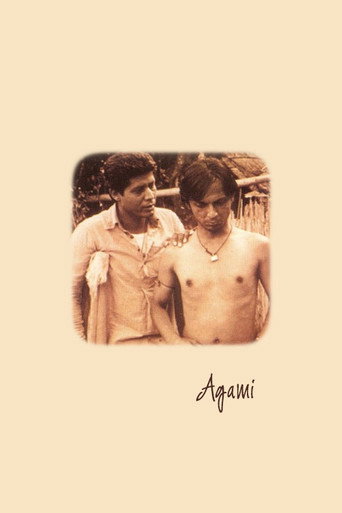
Agami
A story of hope, despair and the burden of human life during the war in Bangladesh.
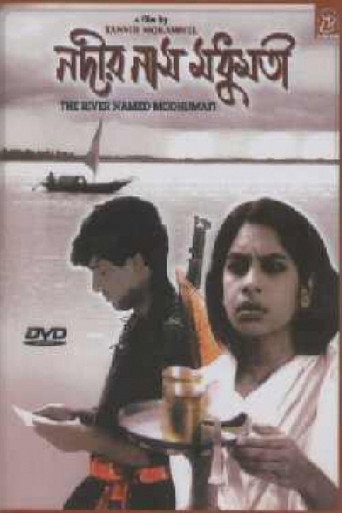
The River Named Modhumoti
During the 1971 liberation war of Bangladesh, in a remote village, a landlord collaborated with the Pakistani army. After the death of his brother, he married his sister-in-law who had a young son. A teacher in the village, with a widowed daughter, taught the young man had a daughter. When the war broke out, the young man joined the Bengali guerrillas, shattering his innocence. In the village, the landlord's action get worse and worse, until he kills the teacher and compels the daughter to marry him. Now the young man must return to his village with new determination.
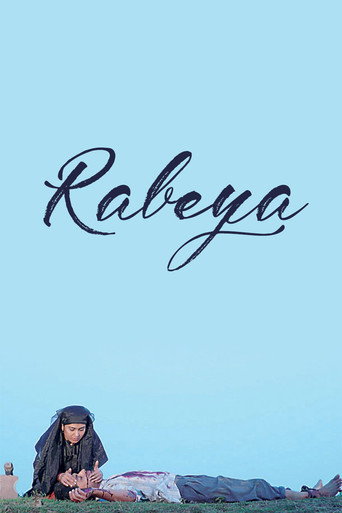
Rabeya
During Bangladesh's Liberation War against Pakistan in 1971, in a remote village Rabeya and Rokeya, two orphaned young sisters, live in the religiously conservative household of their uncle Emdad Kazi, a rich kulak and a local Muslim League leader.
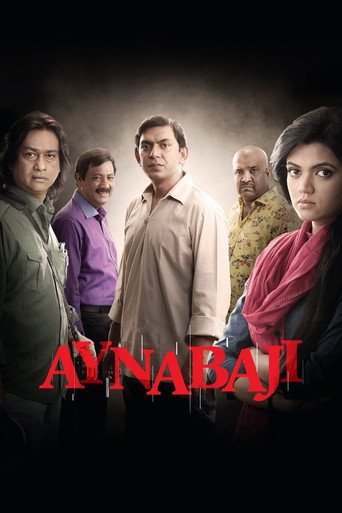
Mirror Game
Ayna is an actor and the prison is his stage. He slips into the characters of the powerful convicted in exchange of money and take their place in prison. This strange profession is borne out of a society that doesn't give him a chance to follow his passion of acting, but forces him to act in the real life. Falling in love with the girl next door changes his life equation and he decides to end this career with one last performance. But this one takes him too deep in the rabbit hole. The story unfolds on how an underdog survives in a society that is merciless and struggles his way out from the clutch of crime game which he is a part too.
The Rain
Brishty ("The Rain") is a Bangladeshi film by director Morshedul Islam.
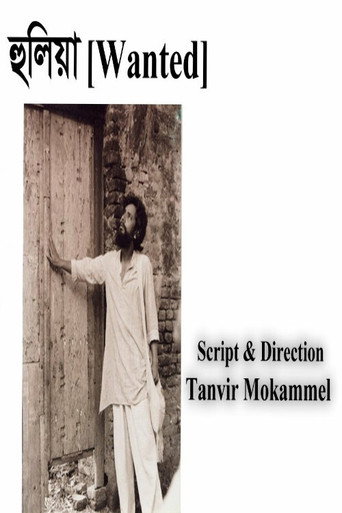
Wanted
During anti-Ayub movement in the 1960’s a young leftwing political activist had warrant against him. He would secretly move around by trains. Police detectives followed him. It was never clear in the poem whether the young man went to his village and met his mother and comrades, or whether he was just thinking about them and thus the past, present and future of the politics of that particular time of our history all converged in his subconscious.
Gallery