Production
No biography available.
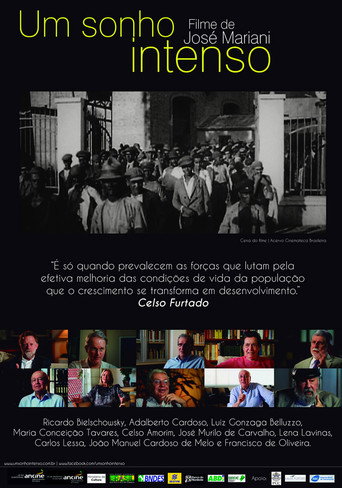
The documentary offers an overview on the transformations in the Brazilian socioeconomic process from the 30s to present day, with a group of economists and historians giving their commentary about the topics.
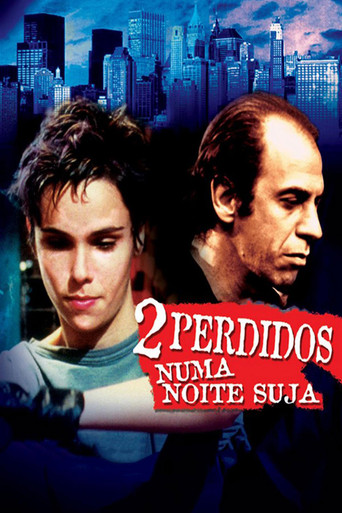
In New York City, an illegal immigrant gets into trouble because of his relationship with a self-destructive prostitute.
Juca, a black kid, sees his friends and his mother being hit by his stepfather, without being able to do anything against it, but when he knows that he is the great-grandson of João Cândido, the leader of the sailors rebellion against the chibata hits adopted by Brazilian Navy till 1910, he takes an extreme attitude towards changing the course of his life.
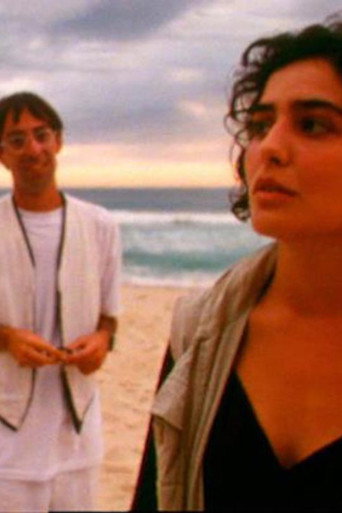
Luiza is an architect who just got out of a ruinous relationship. Gabriel is a biologist and he has finished a long marriage with divorce. When they both meet, chances that they can do well together are not that big. But they will try to, even if their friends Barata (a convict bachelor totally skeptical when it comes to love) and Marta (a mathematic analyst who wishes that human relations were just as exact as numbers are) think otherwise.
Filmed over a five-year period, Chronically Unfeasible dissects Brazilian problems, using six people who meet in a restaurant in São Paulo as models to illustrate political, sociological and economic disparities between Brazil's upper and lower classes.
The true story of the boy who became famous when he was cast for the main part on the Brazilian film Pixote: A Lei do Mais Fraco (1981). After the film was over, he tried to work as an actor on other projects, with little success. As time went by, he got involved with crime.
A painter is found dead with a gun in his hand, in his shabby studio in Lapa, a bohemian district in Rio de Janeiro. A brief note is published on a newspaper and, from then on, he becomes a national sensation.