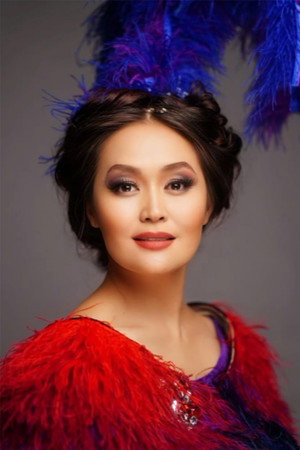
Altynay Nogerbek Movies, TV Shows, and Filmography
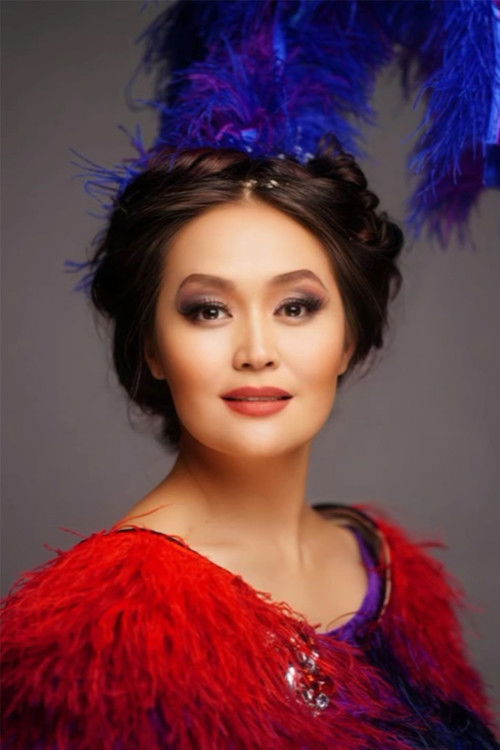
Altynay Nogerbek
Acting
Biography
Altynay Bauyrzhankyzy Nogerbek is a Kazakhstani theater and film actress, born on November 26, 1976, in Almaty. She is the daughter of the renowned film expert and professor Bauyrzhan Nogerbek. In 1997, Altynay graduated from the Kazakh State Institute of Theatre and Cinema named after T. Zhurgenov, studying under the guidance of Professors T. Zhamankulov and A. Syghai. She began her acting career in 1997 and has since appeared in a number of notable films, including "Zhauzhürek Myn Bala" (2012), "The Road to Mother" (2016), and "Dawn of the Great Steppe" (2022). Recently, Altynay took part in the international Netflix project "La Tregua" (2025), where she played a woman named Anar, who lives near a GULAG camp. In an interview, the actress stated that participating in this project was a "gift" for her. For her contributions to the arts, Altynay Nogerbek was awarded the title of Honored Worker of Kazakhstan in 2011 and received the State Prize of the Republic of Kazakhstan in Literature and Art in 2018.
Filmography Movies
Acting
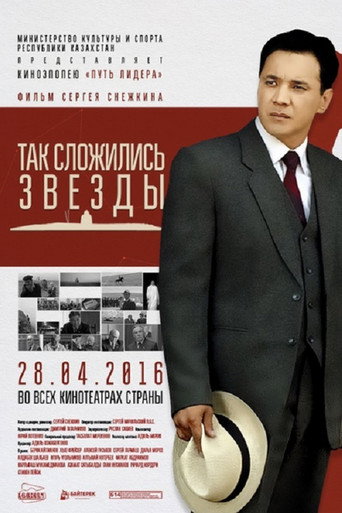
The Stars Have Aligned
An English correspondent arrives in Astana to interview the named Leader of the Nation Nazarbayev. Nazarbayev is hosting an English guest. The interview turns into Nazarbayev's story about life, fate and the difficult path of gaining independence. The President introduces the writer to local customs, at the same time telling about the most difficult periods of his life, from his appointment in 1984 as chairman of the Council of Ministers to becoming President of the Republic of Kazakhstan in 1991.
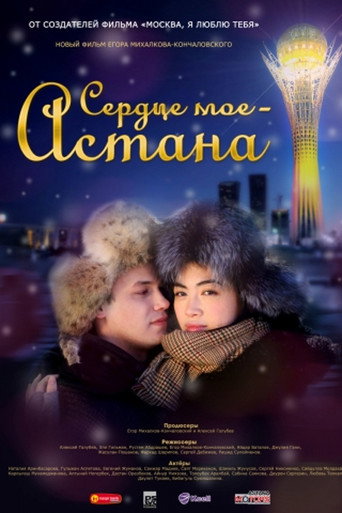
Astana, I Love You
A new project of Kazakhstani cinematographers under the general direction of Yegor Konchalovsky, which is a feature film. It consists of 10 unrelated film novellas directed by different directors. In its form, the project repeats the French "Paris, I love you", the American "New York, I love you", the Russian "Moscow, I love you!".
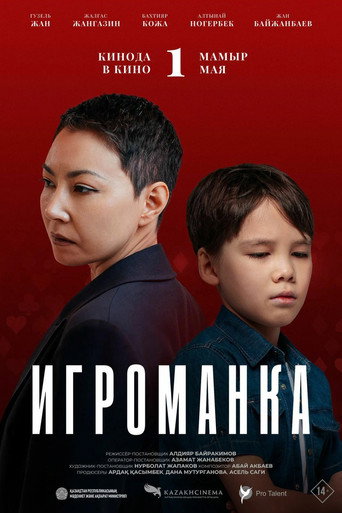
Gambling addict
Zhuldyz, gambling addict, is forced to choose between her addiction and her son. A young psychologist with an unconventional approach helps guide her toward the right decision. This inner journey becomes a painful but necessary step on her path to healing.
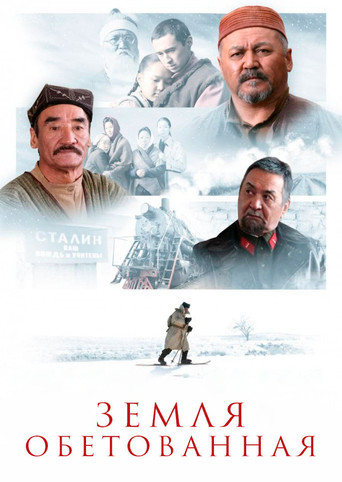
The Promised Land
This film is a gratitude to the Kazakh Koreans, Germans, Turks, Chechens, Kurds and other peoples of this land and the Kazakh people, who met them with due attention and sympathy, despite their incredible difficulties after the jute of the 30s. For these peoples, our country has become a real Homeland.
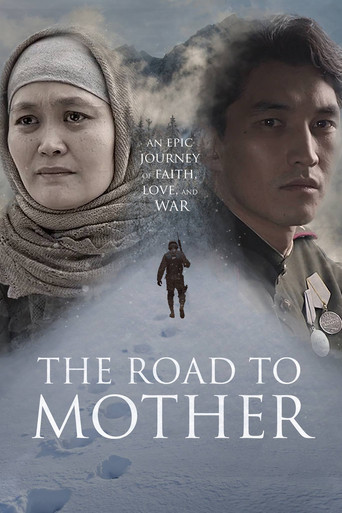
The Road to Mother
When the Soviets impose new ways of collective farming and permanent settlements on a region of nomadic dwellers, young Ilyas is separated from his mother, Mariam. Through decades of war, mother and son persevere in their efforts to be reunited.
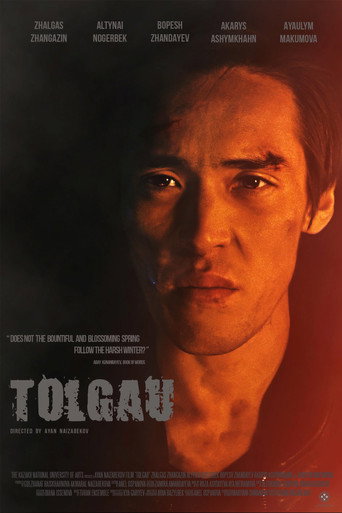
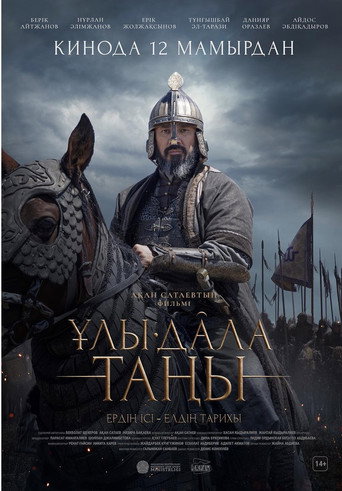
Dawn of the Great Steppe
In the 16th century, during the Kazakh Khanate, Kasym Khan was the fourth ruler, often viewed as the greatest leader to unite the Kazakh tribes.
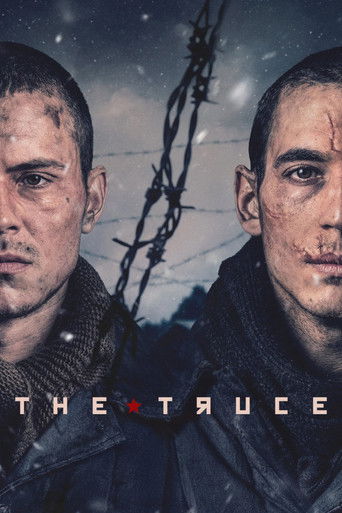
The Truce
Karlag, short for Karaganda Corrective Labor Camp, was one of the largest labor camps within the Soviet Gulag system. Established in 1931, it was located in the Karagandy Region of Kazakhstan. The film will explore the hardships faced by people during the 1930s-1950s and the resilience of human dignity despite the daily struggle for survival. The atmosphere of Karlag will be conveyed through costumes, props, and sets created after extensive research in archives and museums.
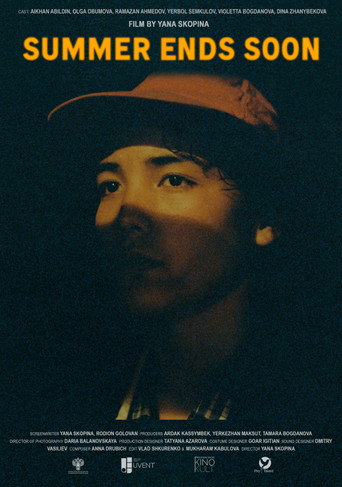
Summer Ends Soon
The character of the end 80-s, fascinated by music, socially and nationally mixed up in a Kazakh neighborhood. Among them is a Kazakh teenager who unexpectedly falls in love with a girl of Russian-Polish roots. The age and national differences become an almost insurmountable obstacle for the main character, manifested through his friend who is a rival as well as a friend, a Russian guy - the leader of the courtyard band.
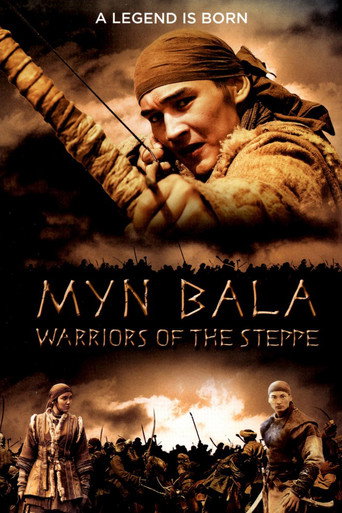
Myn Bala: Warriors of the Steppe
A universal story about the freedom of the human spirit and the struggle against slavery and despotism, about love, loss and betrayal. It is seen through the eyes of simple Kazakh kids and teenagers.
Gallery