Allen D. Sewall Movies, TV Shows, and Filmography
Allen D. Sewall
Acting
Biography
No biography available.
Filmography Movies
Acting
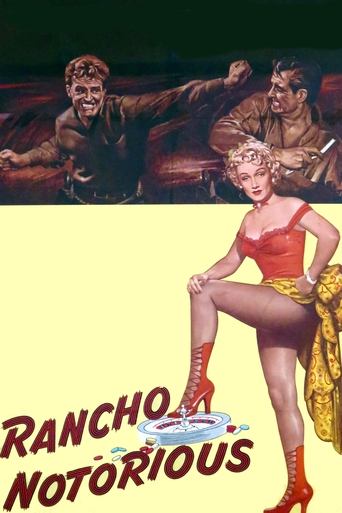
Rancho Notorious
A man in search of revenge infiltrates a ranch, hidden in an inhospitable region, where its owner, Altar Keane, gives shelter to outlaws fleeing from the law in exchange for a price.
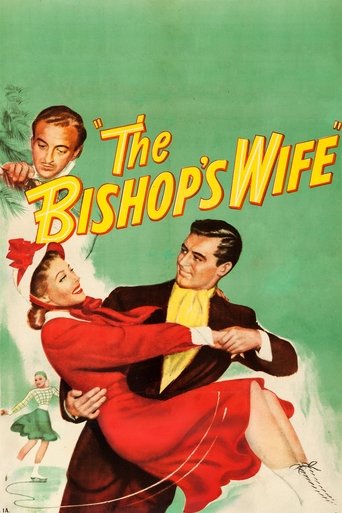
The Bishop's Wife
An Episcopal Bishop, Henry Brougham, has been working for months on the plans for an elaborate new cathedral which he hopes will be paid for primarily by a wealthy, stubborn widow. He is losing sight of his family and of why he became a churchman in the first place. Enter Dudley, an angel sent to help him. Dudley does help everyone he meets, but not necessarily in the way they would have preferred. With the exception of Henry, everyone loves him, but Henry begins to believe that Dudley is there to replace him, both at work and in his family's affections, as Christmas approaches.
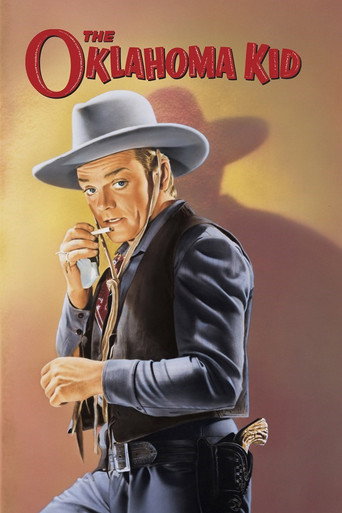
The Oklahoma Kid
McCord's gang robs the stage carrying money to pay Indians for their land, and the notorious outlaw "The Oklahoma Kid" Jim Kincaid takes the money from McCord. McCord stakes a "sooner" claim on land which is to be used for a new town; in exchange for giving it up, he gets control of gambling and saloons. When Kincaid's father runs for mayor, McCord incites a mob to lynch the old man whom McCord has already framed for murder.
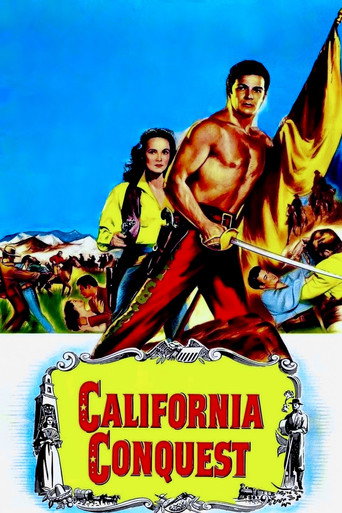
California Conquest
The period is the 1840s and California is part of Mexico. Many of the citizens wish to become part of the United States. Other countries are also interested and the Russians have established bases in the northern part of the state. To further their hold they have stolen guns and Don Arturo Bordega, a leader of those wanting statehood, is out to recover them.
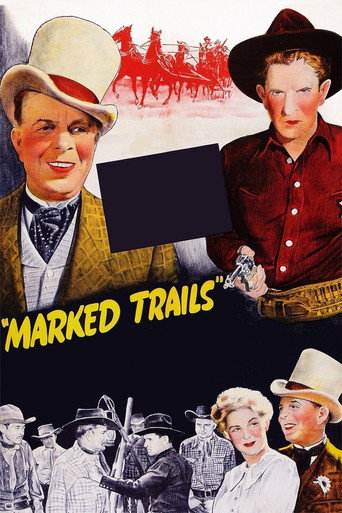
Marked Trails
This one finds Jack Slade and Mary Conway,alias Blanche, being recognized as known and wanted crooks by deputy marshal Harry Stevens and, when he orders them out of town, Slade kills him. His son, Bob Stevens and friend Parkford become U.S. Marshals and proceed to rid the town of the cut-throat gang that has been terrorizing the citizens. Bob goes undercover as an outlaw and works his way into the gang, while Hoot poses as a Dude who goes about making fiery speeches on behalf of law and order.
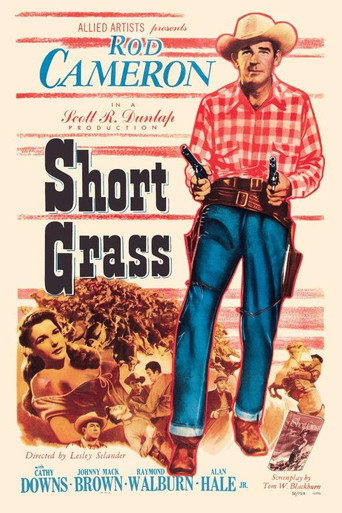
Short Grass
Steve Llewellyn hung up his guns after killing a man in self-defense, left Willow Creek and went on the drift for five years. Now he’s back. And the bad blood stirred up by his return and the violence caused by a cattleman’s grab for all the good grasslands mean Steve must strap on his sidearms again. Rod Cameron -- who became a marquee draw with a pair of espionage serials in the 1940s and went on to establish himself as a popular cowboy star -- makes Steve a hero to reckon with in Short Grass, one of the actor’s 10 films with busy shoot-‘em-up director Lesley Selander. Johnny Mack Brown, a sagebrush stalwart in his own right, plays the marshal who allies with Steve. Adding to the Western pedigree is costar Cathy Downs, who plays the title role in the iconic My Darling Clementine. Buffs will note other familiar faces, including Alan Hale, Jr., well remembered as the skipper who takes a “three-hour tour” to Gilligan’s Island.
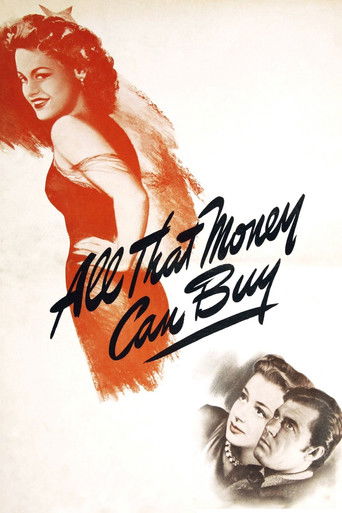
All That Money Can Buy
Farmer Jabez Stone, about to lose his land, agrees to sell his soul to the devil, known as Mr. Scratch, who gives Jabez seven years to enjoy the fruits of his sale before he collects. Over that time, Jabez pays off his debts and helps many neighboring farmers, then becomes an advocate for the upstanding Sen. Daniel Webster. When Jabez's contract with Mr. Scratch concludes, he desperately turns to Webster to represent him in a trial for his soul.
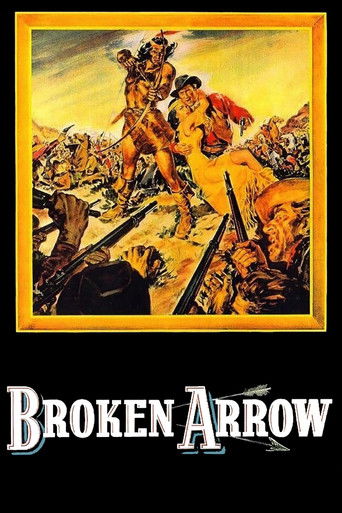
Broken Arrow
Indian scout Tom Jeffords is sent out to stem the war between the American settlers and Apaches in the late 1870s Arizona. He learns that the Indians kill only to protect themselves, or out of retaliation for white atrocities.
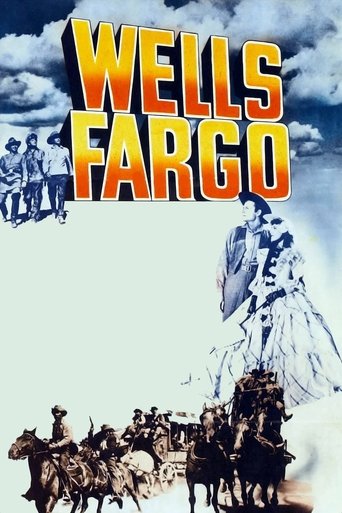
Wells Fargo
In the 1840s, Ramsey MacKay, the driver for the struggling Wells Fargo mail and freight company, will secure an important contract if he delivers fresh oysters to Buffalo from New York City. When he rescues Justine Pryor and her mother, who are stranded in a broken wagon on his route, he doesn't let them slow him down and gives the ladies an exhilirating ride into Buffalo. He arrives in time to obtain the contract and is then sent by company president Henry Wells to St. Louis to establish a branch office.
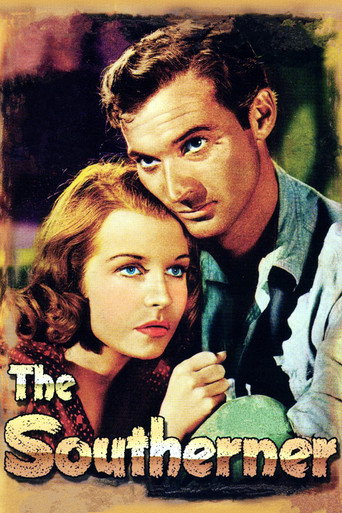
The Southerner
Sam Tucker, a cotton picker, in search of a better future for his family, decides to grow his own cotton crop. In the first year, the Tuckers battle disease, a flood, and a jealous neighbor. Can they make it as farmers?