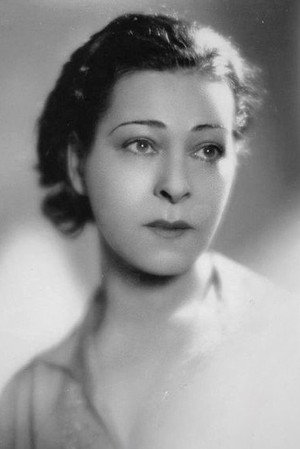
Alla Nazimova Movies, TV Shows, and Filmography
Alla Nazimova
Acting
Biography
Alla Nazimova (Russian and Ukrainian: Алла Назимова; 3 June [O.S. 22 May] 1879 – 13 July 1945) was an American film and theatre actress, a screenwriter, and film producer. She is perhaps best known as simply Nazimova, but also went under the name Alia Nasimoff. She emigrated to the United States from the Russian Empire. In 1927, Nazimova became a naturalized citizen of the United States. She was signed up by the American producer Henry Miller and made her Broadway debut in New York City, in 1906 to critical and popular success. She quickly became extremely popular (a theatre was named after her) and remained a major Broadway star for years, often acting in the plays of Henrik Ibsen and Anton Chekhov. Dorothy Parker described her as the finest Hedda Gabler she had ever seen. Due to her notoriety in a 35-minute 1915 play entitled War Brides, Nazimova made her silent film debut in 1916 in the filmed version of the play, which was produced by Lewis J. Selznick. A young actor with a bit part in the movie was Richard Barthelmess whose mother taught Nazimova English. In 1917, she negotiated a contract with Metro Pictures, a precursor to MGM, that included a weekly salary of $13,000. She moved from New York to Hollywood, where she made a number of highly successful films for Metro that earned her considerable money. She was influential in the film industry in the silent era and continued to play character roles until the end of her life. Between the years of 1917 and 1922 Nazimova wielded considerable influence and power in Hollywood. By all accounts she was extremely generous to young actresses in whom she saw talent and became involved with at least some of them romantically. By 1925 Nazimova could no longer afford to invest in more films; and financial backers withdrew their support. Left with few options, she gave up on the film industry, returning to perform on Broadway, notably starring as Natalya Petrovna in Rouben Mamoulian's 1930 New York production of Turgenev's A Month in the Country and an acclaimed performance as Mrs. Alving in Ibsen's Ghosts. In the early 1940s, she appeared in a few more films, playing Robert Taylor's mother in Escape (1940) and Tyrone Power's mother in Blood and Sand (1941). This late return to motion pictures fortunately preserves Nazimova and her art on sound film. She died of a coronary thrombosis, age 66, in the Good Samaritan Hospital in Los Angeles. Her ashes were interred in Forest Lawn Memorial Park Cemetery in Glendale, California. Her contributions to the film industry have been recognized with a star on the Hollywood Walk of Fame.
Filmography Movies
Acting
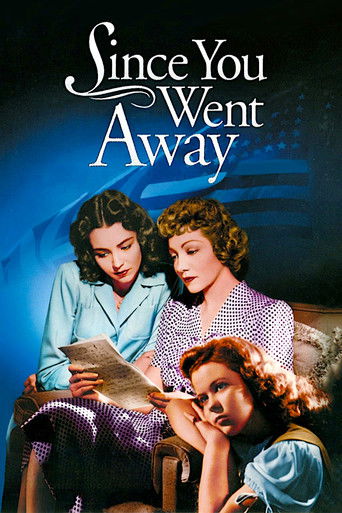
Since You Went Away
In 1943, several people enter, re-enter, and exit the difficult life of a Midwestern family whose patriarch has been called up to war, leaving behind his wife and two teen daughters.
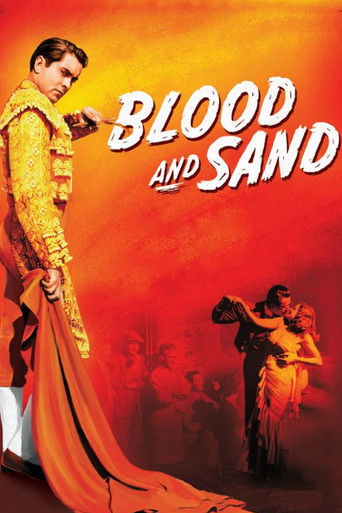
Blood and Sand
Bullfighter Juan Gallardo falls for socialite Dona Sol, turning from the faithful Carmen who nevertheless stands by her man as he continues to face real danger in the bullring.
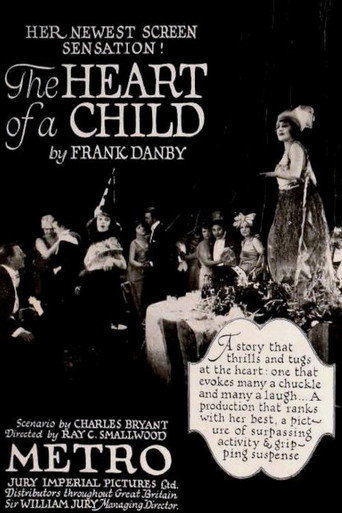
The Heart of a Child
A poverty-stricken Cockney girl rises through incredible adventures to become the wife of a nobleman.
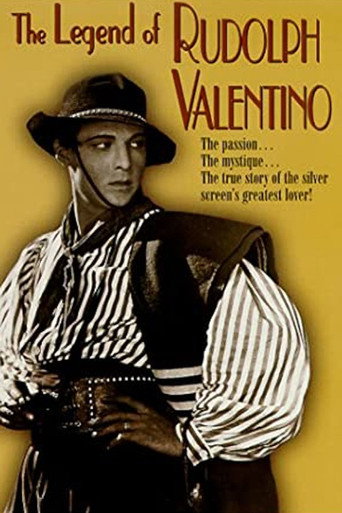
The Legend of Rudolph Valentino
A documentary of Hollywood's first great Latin Lover, the contradictions in his personal life, and his premature death.
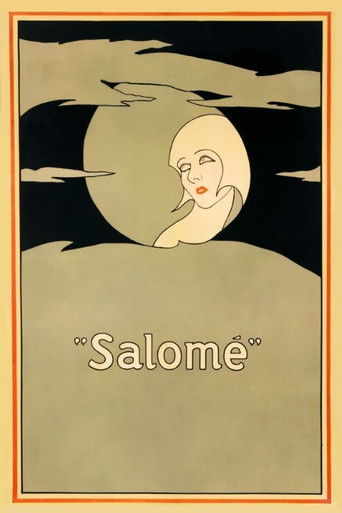
Salomé
Based on Oscar Wilde's play, the films tells the story of how Salomé agrees to dance for King Herod in return for the head of John the Baptist.

Escape
An American goes to pre-war Germany to find his mother and discovers her in a concentration camp. With the help of an American-born widowed countess he seeks to engineer her escape.
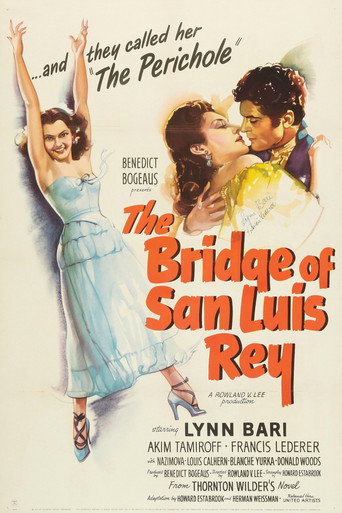
The Bridge of San Luis Rey
A rope bridge over a gorge in the Peruvian Andes snaps, sending five people plunging to their deaths. A priest sets out to find out more about the life of each of the victims.
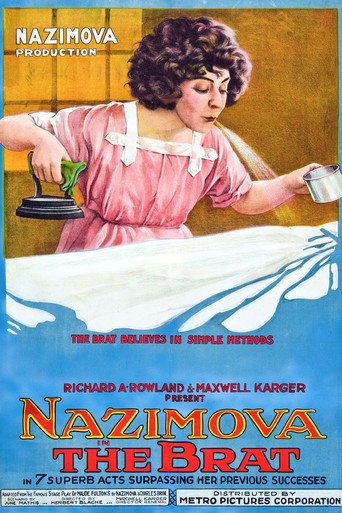
The Brat
An unkempt chorus girl is arrested on a minor charge. In court, she is spotted by a novelist who is looking for someone of her type on whom to model a character in a book he is writing. He takes her into his home where she is looked down upon by his snobbish family. But the girl brings something to the family unlike anything they have known before.
A Woman of France
Somewhere in France, German troops occupy the chateau of Marquis X. The commanding officer see the aged Marquis attempt to signal his daughter Louise, and seizing a paper writes an order demanding her presence. On the paper is a message in code from the Marquis to ring the bell as a signal to the French troops. Louise kills one of the German officers and rings the bell, though she knows it will mean death for her father and herself. The picture fades into a Liberty Bell ringing out "Buy, buy, buy, Bonds."
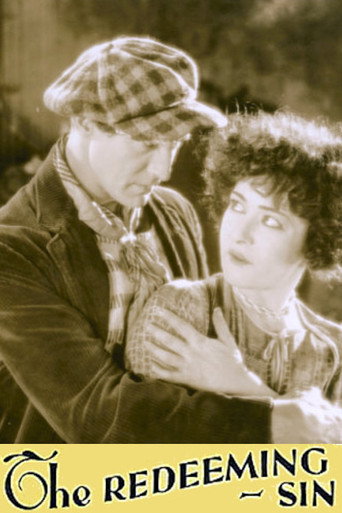
The Redeeming Sin
Lupin is the lover of Joan of the Apaches. She is attracted by Paul de Gafilet, nobleman and sculptor. She visits him in his studio and resolves to abandon her underworld career for his sake. Lupin vows revenge but is frustrated by Joan. The latter's affection for Paul turns to rage when she sees him embracing another woman. Joan joins with her confederates to steal some jewels from a statue of the Madonna in a church. She learns that the woman she is jealous of is Paul's sister, attempts to halt the robbery but fails. Paul is injured by the thieves and Joan held captive.
Production
The Brat
An unkempt chorus girl is arrested on a minor charge. In court, she is spotted by a novelist who is looking for someone of her type on whom to model a character in a book he is writing. He takes her into his home where she is looked down upon by his snobbish family. But the girl brings something to the family unlike anything they have known before.
Salomé
Based on Oscar Wilde's play, the films tells the story of how Salomé agrees to dance for King Herod in return for the head of John the Baptist.
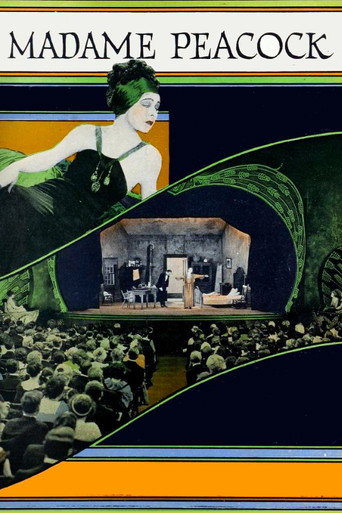
Madame Peacock
Jane Goring, a ruthlessly ambitious actress, forsakes her life as a wife and mother for the stage. Returning home from a performance one night, Jane is disgusted to find her husband Robert McNaughton victimized by a tubercular cough and so banishes him and her young daughter to a sanitarium in Colorado. Years pass, finding Jane still estranged from her family. On the opening night of her new play, Jane finds herself upstaged and outperformed by Gloria Cromwell, a rising young actress, who, unknown to Jane, is her abandoned daughter. Returning home, Jane is haunted by visions of her husband and child and begins to sob. Looking up from her pillow, she is startled to see her husband with Gloria.
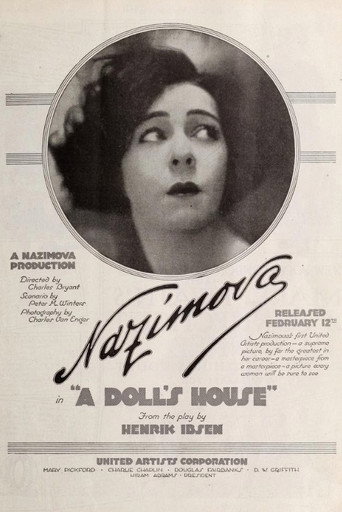
A Doll's House
Nora Helmer has years earlier committed a forgery in order to save the life of her authoritarian husband Torvald. Now she is being blackmailed.
A Doll's House
Nora Helmer has years earlier committed a forgery in order to save the life of her authoritarian husband Torvald. Now she is being blackmailed.
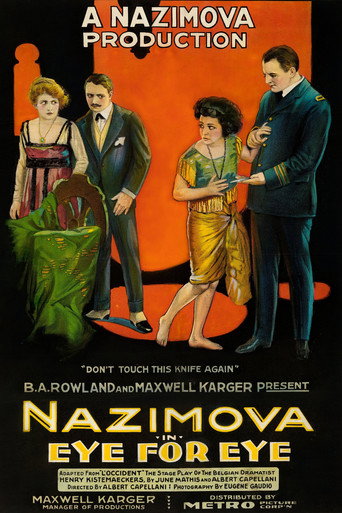
Eye for Eye
The daughter of an Arab sheik falls in love with a French naval officer, thus breaking the strict rule of social law of her people, as well as her religion.
Madame Peacock
Jane Goring, a ruthlessly ambitious actress, forsakes her life as a wife and mother for the stage. Returning home from a performance one night, Jane is disgusted to find her husband Robert McNaughton victimized by a tubercular cough and so banishes him and her young daughter to a sanitarium in Colorado. Years pass, finding Jane still estranged from her family. On the opening night of her new play, Jane finds herself upstaged and outperformed by Gloria Cromwell, a rising young actress, who, unknown to Jane, is her abandoned daughter. Returning home, Jane is haunted by visions of her husband and child and begins to sob. Looking up from her pillow, she is startled to see her husband with Gloria.
Madame Peacock
Jane Goring, a ruthlessly ambitious actress, forsakes her life as a wife and mother for the stage. Returning home from a performance one night, Jane is disgusted to find her husband Robert McNaughton victimized by a tubercular cough and so banishes him and her young daughter to a sanitarium in Colorado. Years pass, finding Jane still estranged from her family. On the opening night of her new play, Jane finds herself upstaged and outperformed by Gloria Cromwell, a rising young actress, who, unknown to Jane, is her abandoned daughter. Returning home, Jane is haunted by visions of her husband and child and begins to sob. Looking up from her pillow, she is startled to see her husband with Gloria.
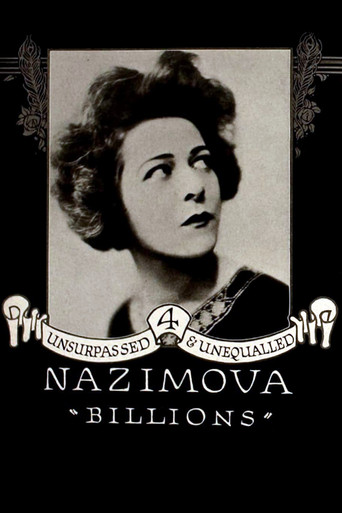
Billions
Princess Triloff, an emigrée from Czarist Russia, escapes to America where she becomes a patron of the arts. She falls in love with the verses of impoverished poet Owen Carey and becomes his anonymous benefactor. When Owen inherits a fortune from his rich Uncle Krakerfeller, he assumes his uncle's identity and confers his own upon an impoverished friend, Frank Manners. At a resort, Owen meets the princess and falls in love with her, but is chagrined to discover that she is enamored with Manners. The princess finally discovers Owen's real identity and the two fall in love.
Salomé
Based on Oscar Wilde's play, the films tells the story of how Salomé agrees to dance for King Herod in return for the head of John the Baptist.
Gallery