Alisa Kovalenko Movies, TV Shows, and Filmography

Alisa Kovalenko
Directing
Biography
Alisa Kovalenko (Ukrainian: Аліса Коваленко; 24 September 1987; Zaporozhye) is a Ukrainian documentary director. She graduated the Karpenko-Kary University of Cinema of Kyiv and the Andrzej-Wajda cinema school of Warsaw. Her first feature-documentary "Alisa in Warland"premiered at IDFA Amsterdam in 2015 in the First appearance competition. Alisa’s second documentary, "Home Games" was again an IDFA selection, selected in more than 120 festiovals and being the first Ukrainian creative film acquired by Netflix. Alisa has become a member of The European Film Academy (EFA) in 2019. She's the programmer of the Molodist Kyiv FF documentary competition. In March 2022, she went to fight for her country in the Ukrainian Armed Forces.
Filmography Movies
Acting
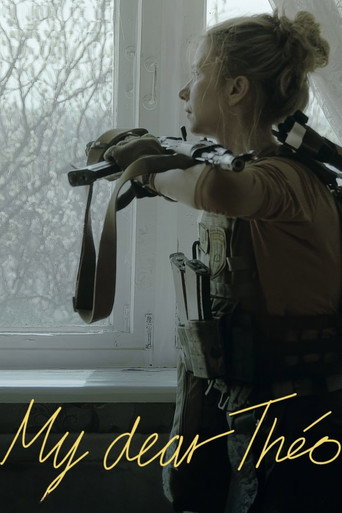
My Dear Theo
In a series of letters to her young son, a mother, soldier and filmmaker documents her thoughts from the Ukrainian frontline.
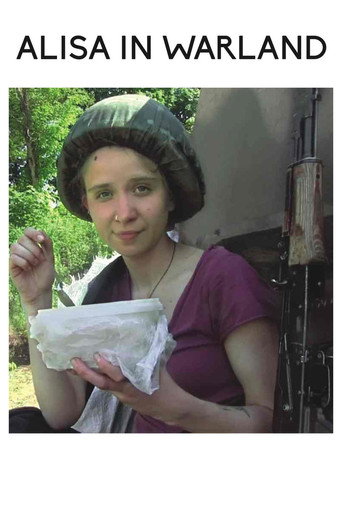
Alisa in Warland
In the midst of revolution and civil war, a filmmaker sets out to find herself. From the barricades of Maidan Square, to the safety of a Parisian apartment, Alisa struggles with her love for boyfriend Stephane, her impartiality as a journalist and her duties as a proud Ukrainian. Treading the line between director and subject, will Alisa leave this conflict with her love and her life, intact?
Production
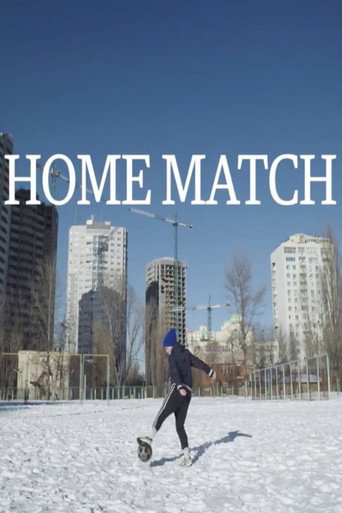
Home Match
Short documentary depicts the life of Alina Shilova, a 20-year-old girl from Kyiv, whose passion for football has a chance of saving her from poverty. Alina is now a professional player, but her situation remains uncertain: her mother suddenly dies, leaving behind Alina's beloved siblings, Renat and Regina, 6 and 7 years old. Alina becomes a substitute mother. Her career plans are on the verge of collapse. The whole dysfunctional family is living in a cramped one-room apartment. Alina wants to give her brother and sister a better life than the one she had. Will she find the strength to cope with everything? How can you win the match of your life when the odds are stacked against you?
Home Match
Short documentary depicts the life of Alina Shilova, a 20-year-old girl from Kyiv, whose passion for football has a chance of saving her from poverty. Alina is now a professional player, but her situation remains uncertain: her mother suddenly dies, leaving behind Alina's beloved siblings, Renat and Regina, 6 and 7 years old. Alina becomes a substitute mother. Her career plans are on the verge of collapse. The whole dysfunctional family is living in a cramped one-room apartment. Alina wants to give her brother and sister a better life than the one she had. Will she find the strength to cope with everything? How can you win the match of your life when the odds are stacked against you?
My Dear Theo
In a series of letters to her young son, a mother, soldier and filmmaker documents her thoughts from the Ukrainian frontline.
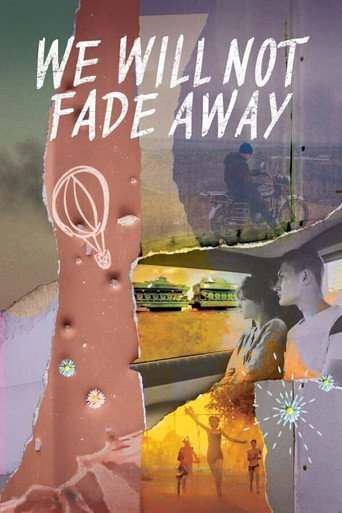
We Will Not Fade Away
For five teenagers living in the conflict-ridden Donbas region of Ukraine, a Himalayan expedition provides a brief escape from reality. A portrait of a generation that, in spite of everything, is able to recognise and celebrate the fragile beauty of life.
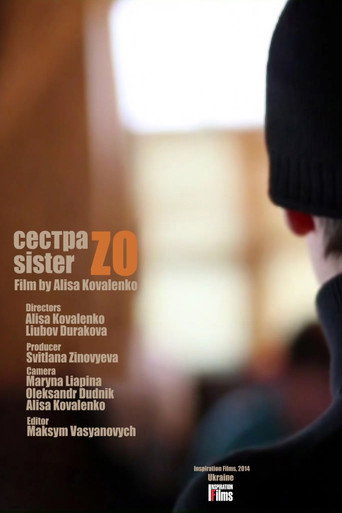
Sister Zo
Zo is a former soccer player. After leaving sports, she has to fight for survival and to define her new self.
Sister Zo
Zo is a former soccer player. After leaving sports, she has to fight for survival and to define her new self.
Sister Zo
Zo is a former soccer player. After leaving sports, she has to fight for survival and to define her new self.
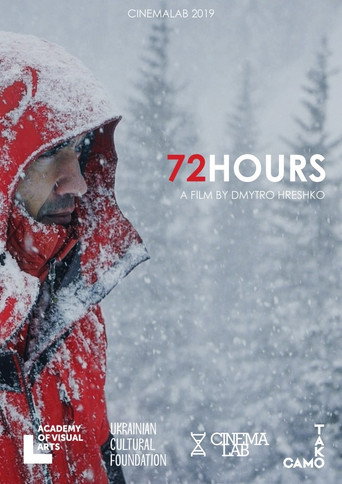
72 Hours
An attempt to convey the atmosphere and show the process of rescuing tourists in the winter Carpathians. This documentary is also part of a study on mountain rescuers in the Ukrainian Carpathians
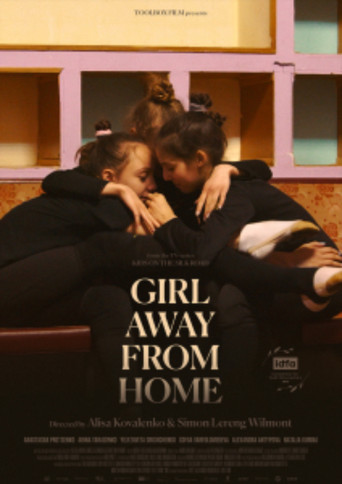
Girl Away from Home
Nastia is a gymnast in Kyiv, training intensively with her four teammates for the Ukrainian National Championships. At other times they make dance clips, perform acrobatic feats, and giggle a lot. Nastia knows that together they can achieve anything. But then the war breaks out, and Nastia’s parents send her to her grandmother in Germany, hoping that the separation will be temporary.
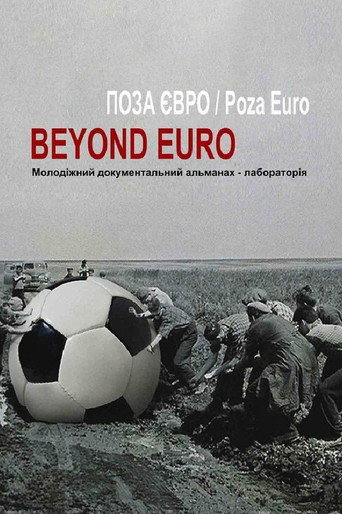
Beyond Euro
"Beyond Euro" is the result of collective work of the youth creative laboratory. His idea can probably be defined as an attempt to impersonate the crowd. The ability to see, to distinguish a human face from a crowd that seems faceless, cohesive on a sporting, political, or any other basis. And tell me about it. That's probably the point. Both the Almanac and the laboratory. How successful this experiment is will be judged by the audience. In any case, it took place. And here is a series of attentive, thoughtful, concerned or ironic, but always caring and independent views of young authors on the reality that surrounds them. To see a separate human face in a crowd also means to keep your own. In any crowd... which is thus personified and gets a chance to turn into a society. The thought is not new, but it needs to be reminded.
Gallery