Alisa Freyndlikh Movies, TV Shows, and Filmography
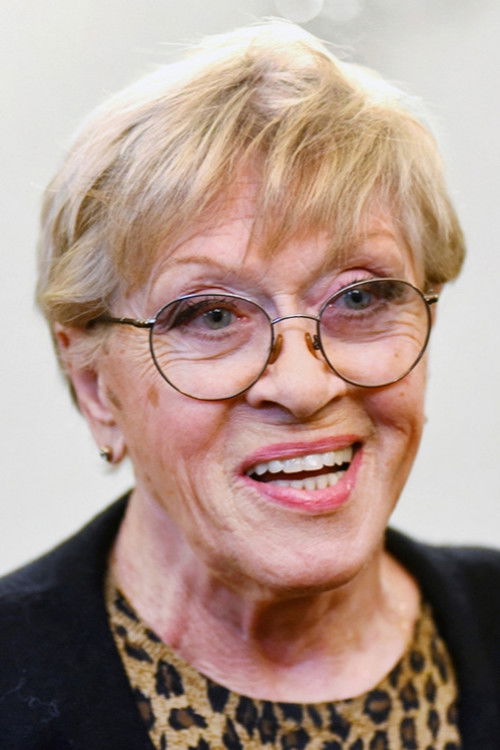
Alisa Freyndlikh
Acting
Biography
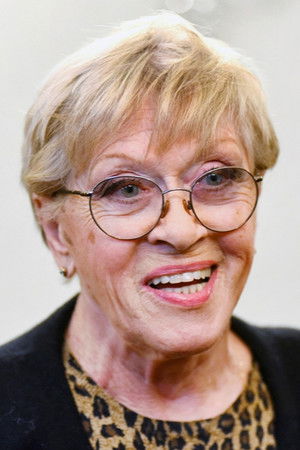
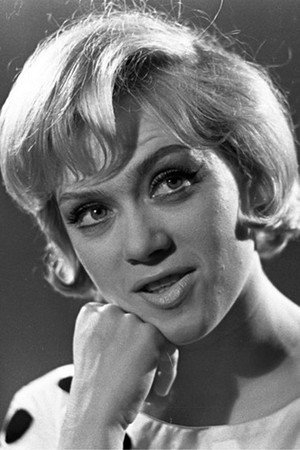
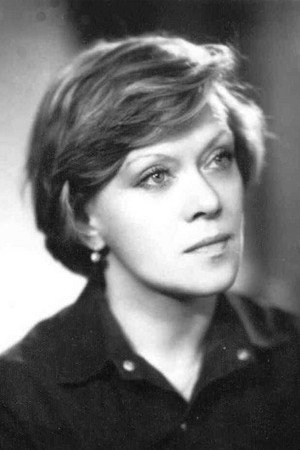
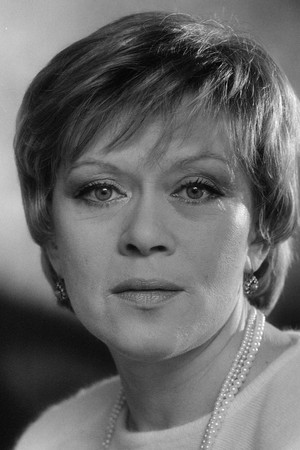
Alisa Brunovna Freindlich (Russian: Али́са Бру́новна Фре́йндлих, born 8 December 1934 in Leningrad, Soviet Union) is a Soviet and Russian actress, People's Artist of the Soviet Union. Alisa Freindlich was born into the family of Bruno Freindlich, a prominent actor and People's Artist of the Soviet Union. She is of German and Russian ancestry. Her father and paternal relatives were ethnic Germans living in Russia for more than a century. In her childhood years, Alisa Freindlich attended the drama and music classes of the Leningrad Palace of Pioneers. During the Second World War she survived the 900-day-long Siege of Leningrad and continued her school studies after the war. In the 1950s she studied acting at the Leningrad Institute of Theatre, Music and Cinema, graduating in 1957 as actress. From 1957 to 1961 Alisa Freindlich was a member of the troupe at Komissarjevsky Theatre in Leningrad. Then she joined the Lensovet Theatre company, but in 1982, she had to leave it following her divorce from the theatre's director, Igor Vladimirov. Thereupon director Georgy Tovstonogov invited her to join the troupe of BDT in which she works to this day. Although Freindlich put a premium on her stage career, she starred in several notable movies, including Eldar Ryazanov's enormously popular comedy Office Romance (1977), the long-banned epic Agony (1975) and Tarkovsky's sci-fi movie Stalker (1979). Another notable role was the Queen Anne of Austria in the Soviet TV series D'Artagnan and Three Musketeers (1978) and its later Russian sequels, Musketeers Twenty Years Later (1992) and Queen Anne's Secret or Musketeers Thirty Years Later (1993). On her 70th birthday, Freindlich's apartment in St. Petersburg was visited by Vladimir Putin, who awarded her with state decoration of the Russian Federation. She also received a Nika Award in 2005.
Filmography Movies
Acting
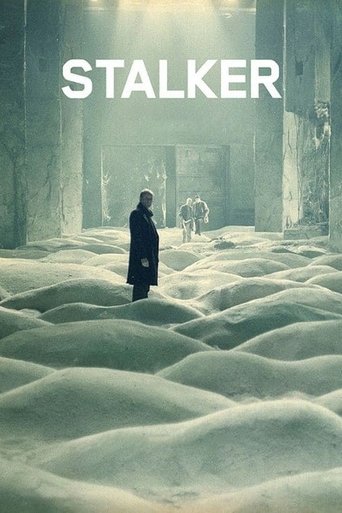
Stalker
Near a gray and unnamed city is the Zone, a place guarded by barbed wire and soldiers, and where the normal laws of physics are victim to frequent anomalies. A stalker guides two men into the Zone, specifically to an area in which deep-seated desires are granted.
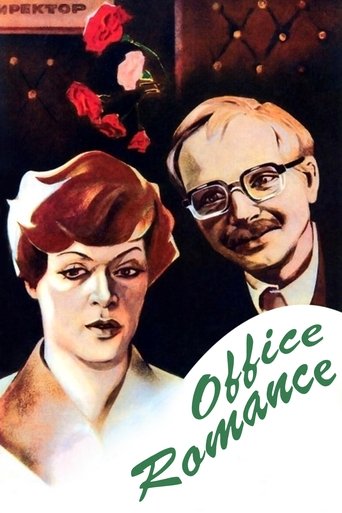
Office Romance
Anatoly Novoseltsev is a mousy single father and office stumblebum working at a statistics bureau in Moscow. In the hopes of being promoted, he is coaxed into charming his disagreeable and seemingly unfeeling boss, Ludmila Kalugina, or "Meany" as she's otherwise known by her subordinates. Helped by his colleagues Olya and Yura, Anatoly attempts to ease the yoke of Ms. Kalugina, and what follows in the wake of his graceless manoeuvres is completely unforeseen, as he awakens a side to her not yet known, even to herself..
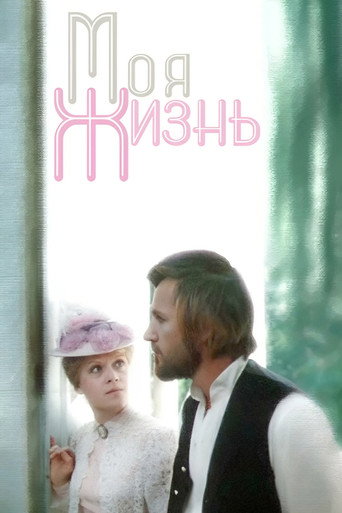
My Life
Man is trying to find simple human happiness. He decides for himself the question of what this happiness consists of - wealth, high social status, or something else.
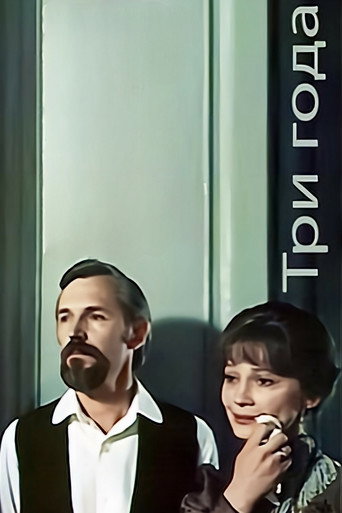
Three Years
Alexey visits his seriously ill sister and meets a nice young woman Julia. After a while, Laptev decides to marry her, but the relationship is not going to be simple.
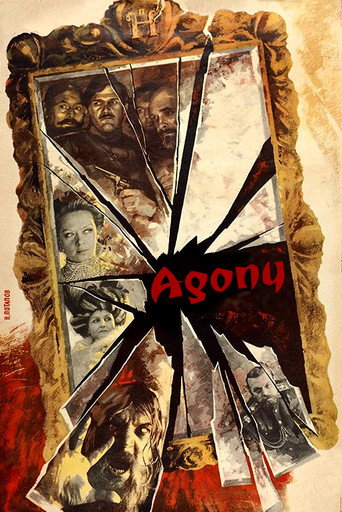
Agony: The Life and Death of Rasputin
As an adviser to the emperor Nicholas II, mystic Grigori Rasputin holds great influence over the empire. However, many in St Petersburg begin to regard Rasputin, with his strange practices and mesmerizing qualities, as a liability and plot his assassination. When Rasputin, known to many as the 'Mad Monk', leads Nicholas to embrace an ill-conceived military strategy, a group of determined conspirators set down a plan to eliminate him.
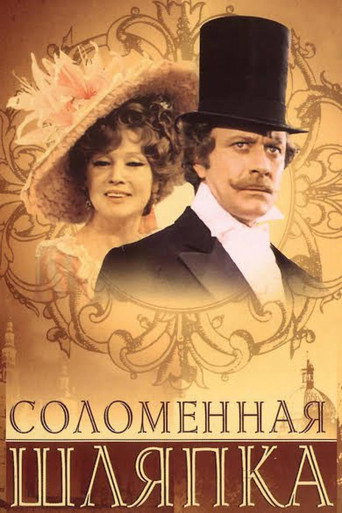
The Straw Hat
A musical comedy based on the classic play by Eugène Labiche.
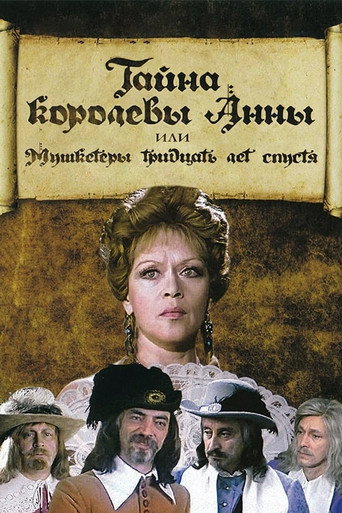
The Secret of Queen Anna or Musketeers 30 Years Later
The 3rd part of the famous trilogy by Alexandre Dumas about d'Artagnan and his 3 friends Athos, Porthos and Aramis.
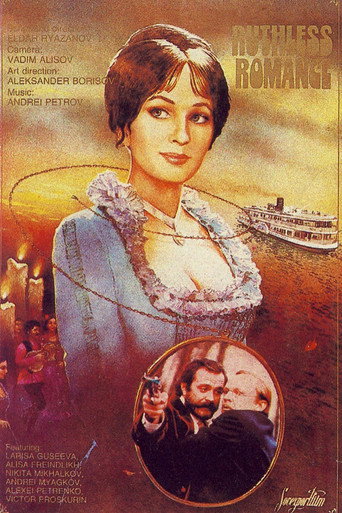
Ruthless Romance
In the town of Bryakhimov, noble but poor widow Harita Ignatyevna Ogudalova seeks to arrange marriages for her three daughters. She maintains an “open house”, hoping to attract gentlemen well-off enough to marry a dowry-less girl for love.
Aleksandr Volodin. Gloomy Marathon
An almost unknown girl Frida accompanied Aleksandr Volodin to the front. When he returned, he married her. A sense of duty and gratitude bound them, but this did not prevent him from continuing to search for a female ideal... The name of the poet and playwright Aleksandr Volodin is familiar to everyone who loves russian cinema and theater. The films Elder Sister, Five Evenings, The Magician, Autumn Marathon, the famous performances of the Tovstonogov's BDT and Efremov's Sovremennik, staged according to his plays, were remembered for their unique intonation, the soft, not at all edifying voice of a person who knows something about life that we pass by without noticing. Most of Volodin's works are autobiographical, he writes about his generation, about the generation "scorched by war".
Gallery