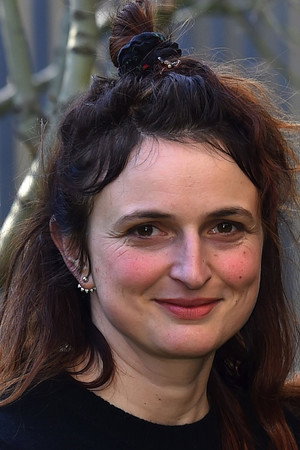
Alice Rohrwacher Movies, TV Shows, and Filmography
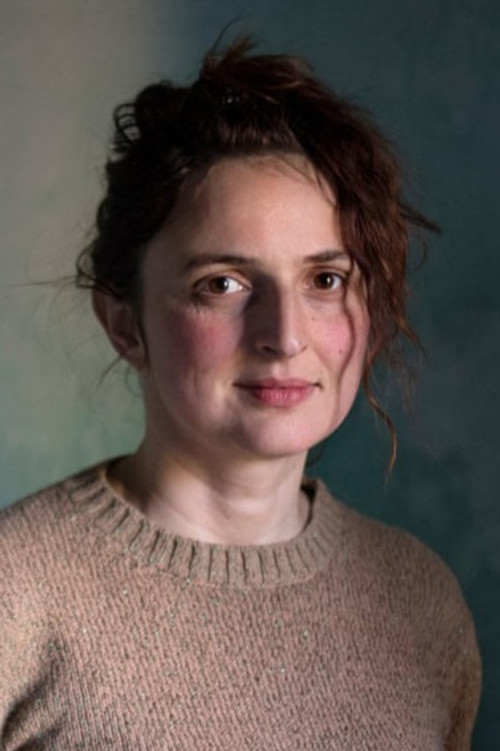
Alice Rohrwacher
Directing
Biography
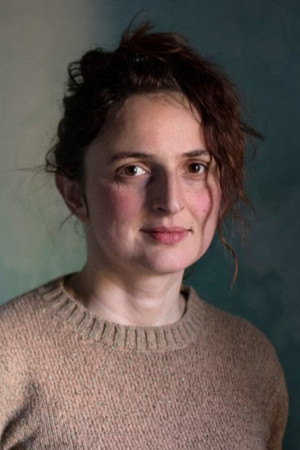
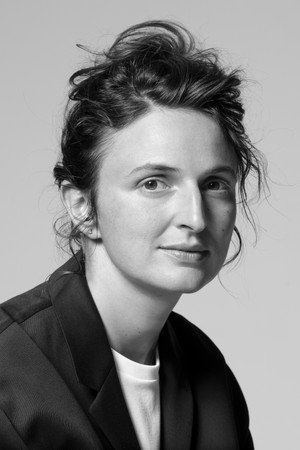
Alice Rohrwacher (born 29 December 1981) is an Italian film director, editor and screenwriter. She made her directorial debut with Heavenly Body (2011). She has since directed notable films such as The Wonders (2014), Happy as Lazzaro (2018), which received the Cannes Film Festival Award for Best Screenplay, and La chimera (2023). Her short Le pupille (2022) was nominated for the Academy Award for Best Live Action Short Film. Description above from the Wikipedia article Alice Rohrwacher, licensed under CC-BY-SA, full list of contributors on Wikipedia.
Filmography Movies
Acting
Room 999
In 1982, Wim Wenders asked 16 of his fellow directors to speak on the future of cinema, resulting in the film Room 666. Now, 40 years later, in Cannes, director Lubna Playoust asks Wim Wenders himself and a new generation of filmmakers (James Gray, Rebecca Zlotowski, Claire Denis, Olivier Assayas, Nadav Lapid, Asghar Farhadi, Alice Rohrwacher and more) the same question: “is cinema a language about to get lost, an art about to die?”
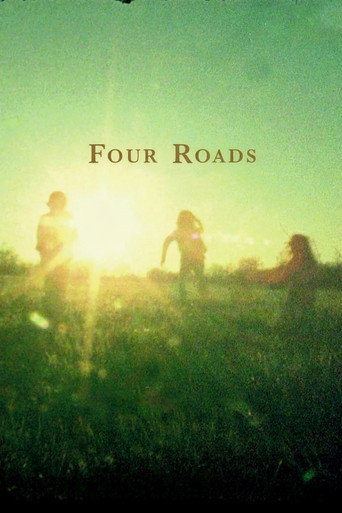
Four Roads
In the absence of any physical connection, this short explores alternative forms of contact among neighbors by making use of an old 16mm camera, a zoom lens, and a few meters of expired film.
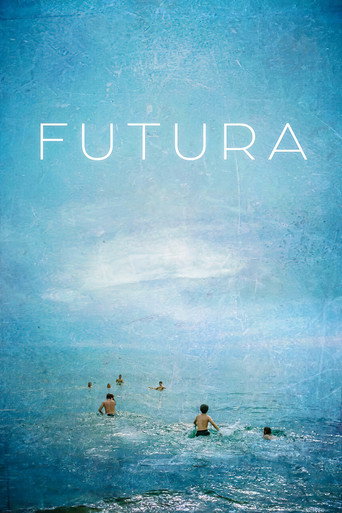
Futura
A portrait of Italy observed through the eyes of teenagers who talk about the places they live in and imagine themselves, torn between the opportunities that surround them, the dream of what they want to become, the fear of failing, the trials they hope to overcome.
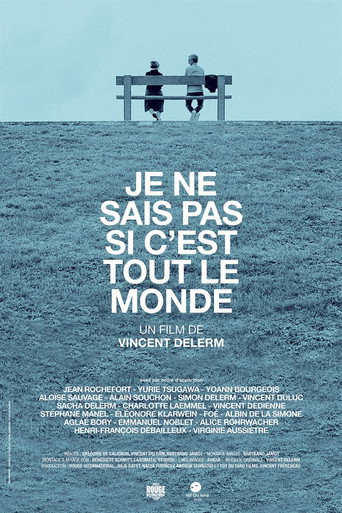
Je ne sais pas si c'est tout le monde
Production
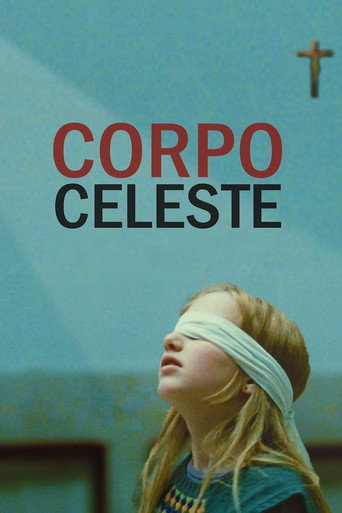
Corpo Celeste
After growing up in Switzerland, 13-year-old Marta returns to a city in southern Italy with her mother and older sister. Independent and inquisitive, she joins a catechism class at a local church. However, the games and religious pop songs she encounters there do not nearly satisfy her interest in faith. Struggling to find her place, Marta pushes the boundaries of the class, the priest, and the church.
Corpo Celeste
After growing up in Switzerland, 13-year-old Marta returns to a city in southern Italy with her mother and older sister. Independent and inquisitive, she joins a catechism class at a local church. However, the games and religious pop songs she encounters there do not nearly satisfy her interest in faith. Struggling to find her place, Marta pushes the boundaries of the class, the priest, and the church.
Futura
A portrait of Italy observed through the eyes of teenagers who talk about the places they live in and imagine themselves, torn between the opportunities that surround them, the dream of what they want to become, the fear of failing, the trials they hope to overcome.
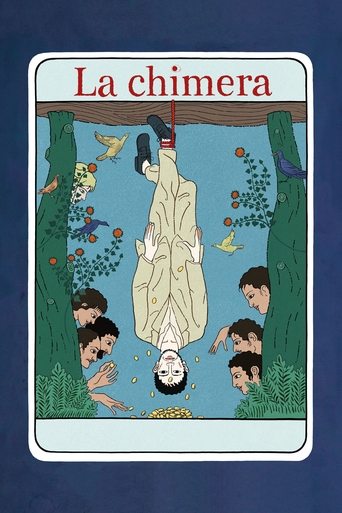
La Chimera
Just out of jail, rumpled English archaeologist Arthur reconnects with his wayward crew of tombaroli accomplices – a happy-go-lucky collective of itinerant grave-robbers who survive by looting Etruscan tombs and fencing the ancient treasures they dig up.
Four Roads
In the absence of any physical connection, this short explores alternative forms of contact among neighbors by making use of an old 16mm camera, a zoom lens, and a few meters of expired film.
Le Pupille
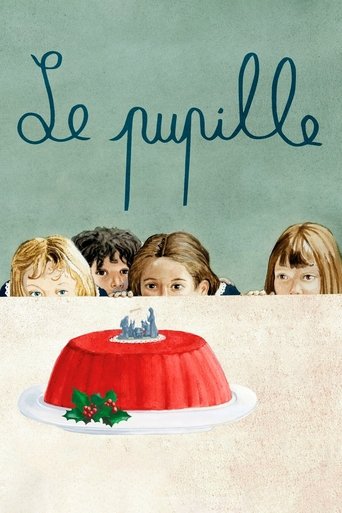
During WWII, in the days leading up to Christmas, a woman arrives at an Italian Catholic boarding school for orphaned girls with a large cake and a plea for them to pray for her boyfriend, who is having an affair.
Le Pupille
During WWII, in the days leading up to Christmas, a woman arrives at an Italian Catholic boarding school for orphaned girls with a large cake and a plea for them to pray for her boyfriend, who is having an affair.
The Wonders
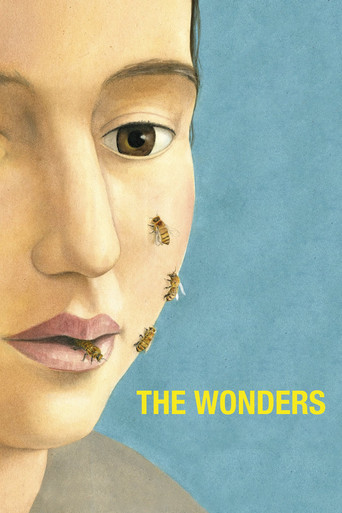
In the Tuscan countryside, a family of traditional honey farmers struggles to make ends meet. The household consists of only daughters—four of them—led by the eldest, Gelsomina, who takes on the responsibilities of the family. When a small boy is sent to stay with them for rehabilitation, their routine is disrupted. As financial troubles threaten their home, Gelsomina sees an opportunity in a reality TV contest searching for 'Italy’s Most Traditional Family.' Willing to expose their secluded life for the prize money, she clashes with her father’s rigid ways in a bid to secure their future.
The Wonders
In the Tuscan countryside, a family of traditional honey farmers struggles to make ends meet. The household consists of only daughters—four of them—led by the eldest, Gelsomina, who takes on the responsibilities of the family. When a small boy is sent to stay with them for rehabilitation, their routine is disrupted. As financial troubles threaten their home, Gelsomina sees an opportunity in a reality TV contest searching for 'Italy’s Most Traditional Family.' Willing to expose their secluded life for the prize money, she clashes with her father’s rigid ways in a bid to secure their future.
Futura
A portrait of Italy observed through the eyes of teenagers who talk about the places they live in and imagine themselves, torn between the opportunities that surround them, the dream of what they want to become, the fear of failing, the trials they hope to overcome.
Gallery