Camera
No biography available.
Todor, a Serbian smuggler in Trieste, Italy, earns his daily bread by smuggling fake brand cigarettes. He sails out in a small boat to collect his freight if there is enough mist to make his illegal mission possible. One day he reluctantly accepts a much larger cargo. In the crate he finds a wounded and drugged woman. Todor decides not to deliver the freight and takes the woman home with him. He takes a chest full of stones to his client and it soon becomes apparent that he has got himself into big trouble with this manoeuvre. Todor takes care of the woman, who slowly but surely overcomes her fear of him. By the time he manages to get her a passport, an unbreakable bond has silently grown between them and he asks her to go away with him. Fate decides otherwise.
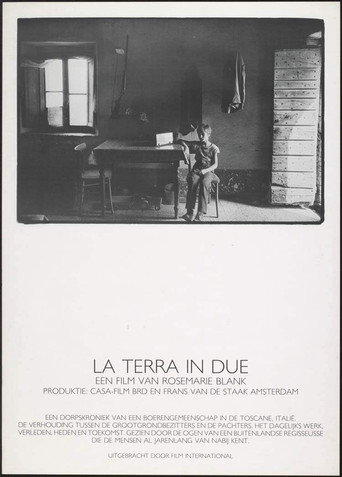
La terra in due means the earth of the landlords versus that of the peasants who actually cultivate it. This film uses evocative photogrphy and a dignified rhythm to depict the death of peasant culture. This fact is brought home by the super 8 footage shot ten years earlier. Blank's familiarity with the villagers and their unsselfconsciousness in front of the camera produce a high degree of authenticity in this account of culture of the 'mezzadria'.
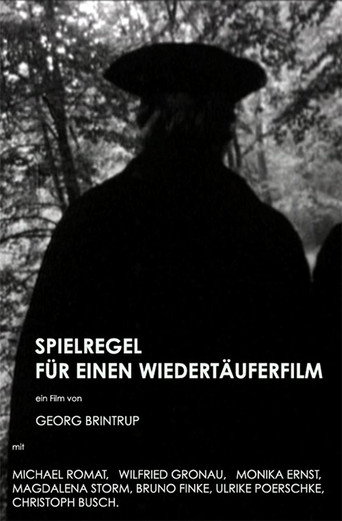
A political film about the policy of the anabaptists of Münster (1534) and the 'enemies of constitution' in West Germany (1976).
A documentary-fiction about the Pennsylvania Dutch and their language.
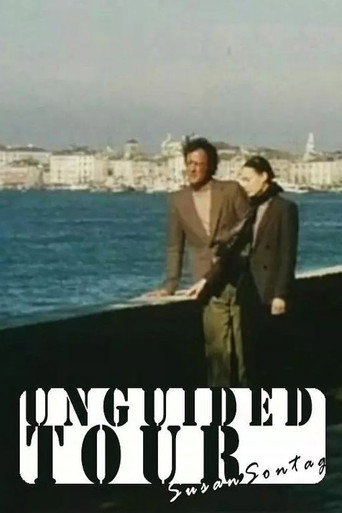
Also known as “Letter from Venice,” Susan Sontag’s fourth and final film tells of a relationship that is fragmenting as the partners tour the decaying ruins of a hallucinatory Venice.
Eight sailors, four Egyptians and four Indonesians, are locked inside the huge motor ship Kawkab, abandoned in Porto Marghera by an unscrupulous shipowner.