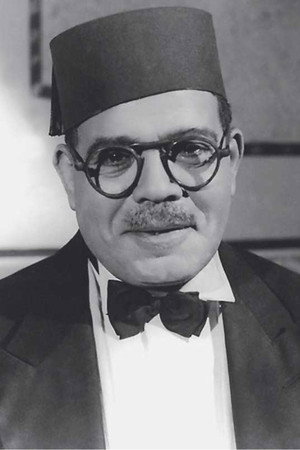
Ali AlKassar Movies, TV Shows, and Filmography
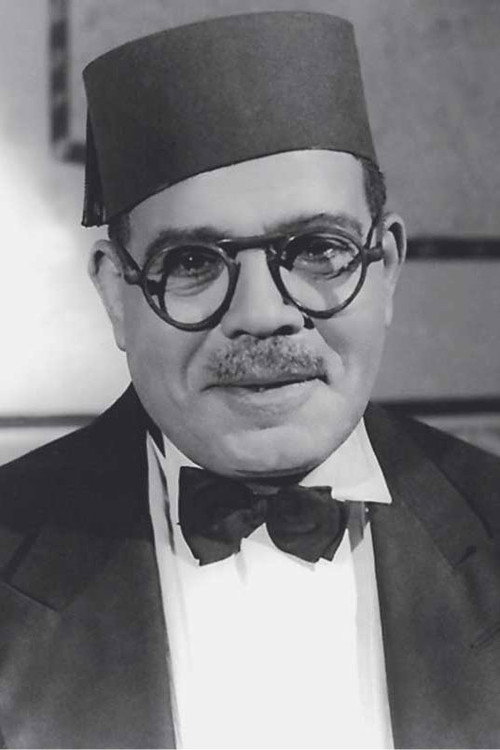
Ali AlKassar
Acting
Biography
A pioneer of musical comedy, he was born in the Sayeda Zeinab district in 1887. He began his artistic career in 1908 by working in the Zainab Theatre Company, which he founded in 1907. He then worked in the George Abyad Company, where he met Amin Sedky. Together, they formed an acting company in 1916, named after Ali Al-Kassar and Mustafa Amin. On January 6, 1919, he moved his company to his new theatre, the Majestic, on Emad El-Din Street, with his partner and playwright, Amin Sedky. It was the strongest and most successful comedy company, without competition, and it withstood all the challenges that the history of modern Egyptian theatre has known. The two partners remained together until they parted ways at the end of the summer of 1925. Ali Al-Kassar continued to work alone with a troupe bearing his name at the Majestic Theatre until 1939. Throughout that period, he remained steadfast and artistically brilliant, regularly presenting full theatrical seasons to his audience, summer and winter, a new play every three weeks, and eleven concerts, including matinees and soirées, per week. He also traveled with his troupe throughout the governorates of Upper and Lower Egypt and sister Arab countries. Ali Al-Kassar's plays were written by many prominent writers, such as Amin Sedqi, Badi' Khairi, Hamed Al-Sayed, and others. He also presented more than two hundred operettas to the theatre. Ali Al-Kassar's immortal artistic character (Othman Abdel Basset) in his plays represented a symbol of the popular hero who triumphed for his popularity on the stage of that era. He presented it in a variety of different roles, and he never presented it as a servant or a doorman in one of his novels. He remained that way until he dissolved his troupe in 1950 after he became tired of searching for a stage to work on constantly. This was after he left his great theater (the Majestic) following a dispute with its owner, Khawaja Kosti, due to the lack of theaters at that time and the proliferation of cinemas that had taken over the scene instead of theaters. Director and producer Togo Mizrahi exploited the success of the character (Othman Abdel Basset) on the stage, and transferred it to the white screen in nine films, which were not presented by Ali Al-Kassar. It is worth noting that the success of the character (Othman Abdel Basset) did not require him to be presented in the cinema as a doorman or servant. In all the 36 films that presented the character, directed by major directors such as Hussein Fawzy, Hassan El Imam, Mahmoud Zulfikar, and Fouad Khalil, the character was not presented as a servant or doorman except in the film (A Bullet in the Heart). Ali Al-Kassar passed away in Kasr Al-Aini Hospital on January 15, 1957, at the age of 69, after a long struggle with poverty and illness.
Filmography Movies
Acting
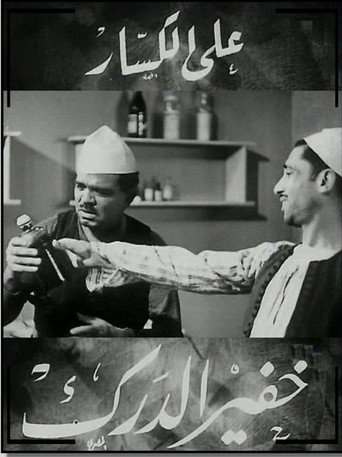
The Night Watchman
After struggling to find work, Osman gets a job as a guard, but when the store gets robbed, Osman is fired. Meanwhile, Azzouz, the store owner, and Osman develop a friendship. Both are shocked to discover that Osman looks very similar to head of the thieves gang
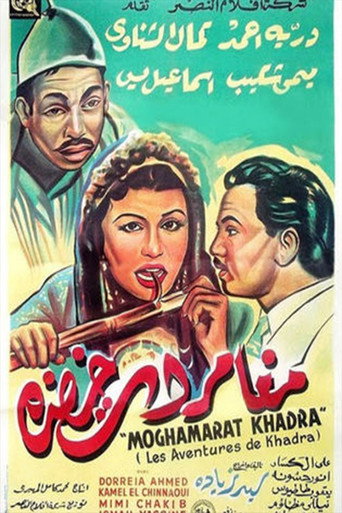
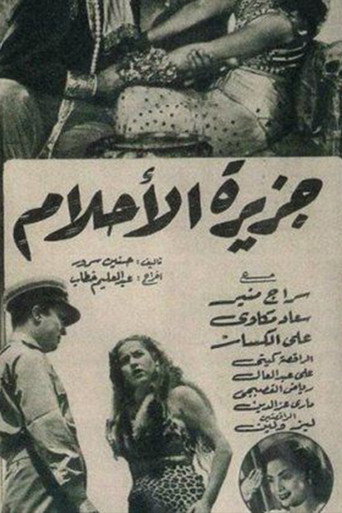
Mughamarat Khadra
Khadra's father, Hajj Abdullah, dies, leaving her and her brother Fares a huge fortune that he stored in Balalis. Khadra is surprised when their cousin, who has been absent for a long time, returns to them in an attempt to plunder the money, taking advantage of Khadra's rural naivety to obtain wealth. She resorts to one of the young men whom she throws into Khadra's path to deceive her.

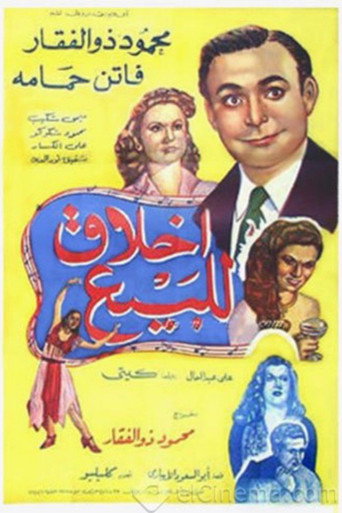
Ethics for Sale
A fantastical story about a husband who is troubled by mother-in-law, until he meets a man who sells morals in the form of powders. As he buys the powder of courage to face his bossy mother-in-law, his life changes and he returns again to the seller asking for a new moral.

The Last Lie
Samir is a singer living happily with his jealous wife Samira. However, His ex-girlfriend Kiki wants to relive their relationship again, but he refuses because he is afraid of Samira's violent reaction. Kiki seeks the help of an Indian Maharaja and asks him to force Samir to attend her birthday party, he then sends his men to do the job. Samir feels intimidated during the celebration and accidently breaks Kiki's pearl necklace which she borrowed from the Maharaja. He promises her to fix it and puts it in his pocket, but becomes drunk and loses consciousness.
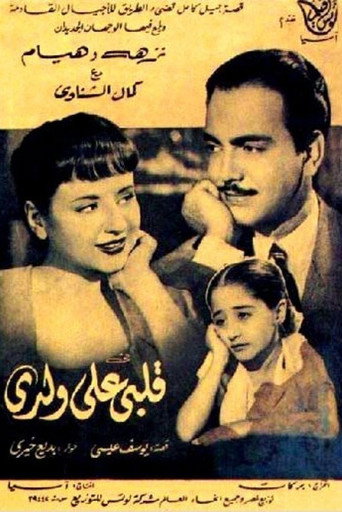
Albi Ala Waldi
A dancer takes advantage of Taher and takes his money. Taher gives her whatever money she asks for without considering his family’s situation or needs. One time, Taher finds the dancer with a lover of hers. Taher quarrels with him, and the lover dies as a result of this quarrel. Taher goes to prison, and the mother supports the family in the absence of her husband and works in While knitting, her eldest daughter meets a young man who falls in love with her.
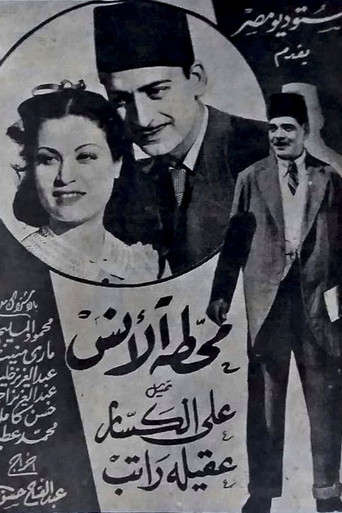
Al-Ans station
A girl loves singing and is looking forward to meeting a famous singer to fulfill her dream. At the same time, the owner of a gas station loves composing and seeks to fulfill his dream of meeting the same singer. The three meet at the gas station and many paradoxes occur between them.
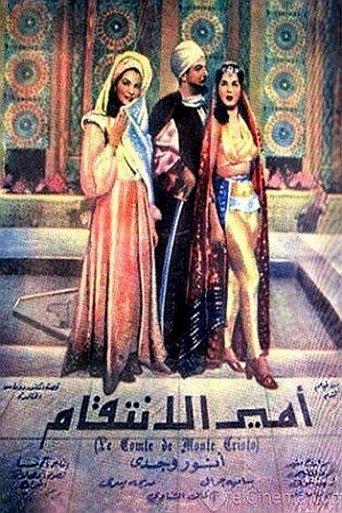
Prince of Revenge
Henry Barakat directed adaptation of Dumas' Count of Monte Cristo.
The American Aunt
Directed by Bonvelli, based on the British play Charley's Aunt.
Production
The Night Watchman
After struggling to find work, Osman gets a job as a guard, but when the store gets robbed, Osman is fired. Meanwhile, Azzouz, the store owner, and Osman develop a friendship. Both are shocked to discover that Osman looks very similar to head of the thieves gang
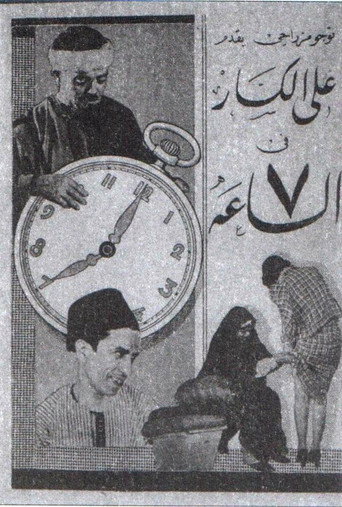
Seven O'clock
Othman works as a bank collector and lives a quiet life, but his mother-in-law makes his life miserable. One night, he drinks too much and dreams that a gang has robbed him to steal the money he has in his possession, and that he has become accused and escaped from the police while dressed as a woman. Will the dream become reality?
Gallery