Visual Effects
No biography available.
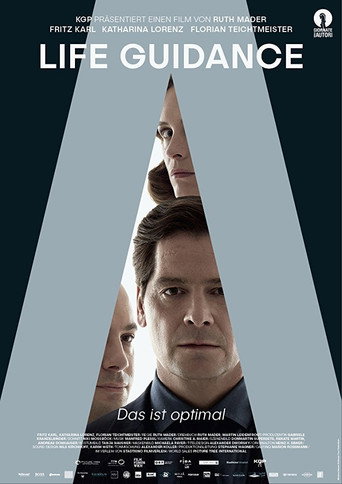
The film is set in the near future, in a world of perfect capitalism. Society is sustained by a class of top achievers; meanwhile, so-called minimum recipients live under sedation in Fortresses of Sleep. The great majority of top achievers view themselves as happy. An outsourced agency has been established for the rest: Life Guidance is charged with turning these individuals into optimal people as well. Alexander has internalized the system but one wrong word to his child triggers Life Guidance. He starts to rebel and encounters the horror of the system in all its brightness and affability.
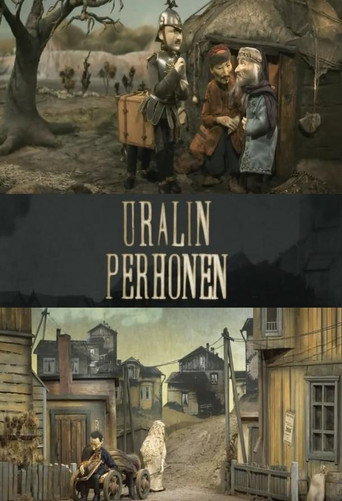
A praised war hero leaves his wife and finds a new love from Ural.
Katariina Lillqvist's puppet animation is a ballad about 18th century St. Petersburg, Catherine the Great's magnificent courtyard and the dim taverns of the suburbs.
Wealthy but alone, a king spends his days obsessively polishing shiny objects throughout his opulent castle. After a visit from a puckish forest wizard, the king earns a blessing – or curse – that turns anything he touches to gold.
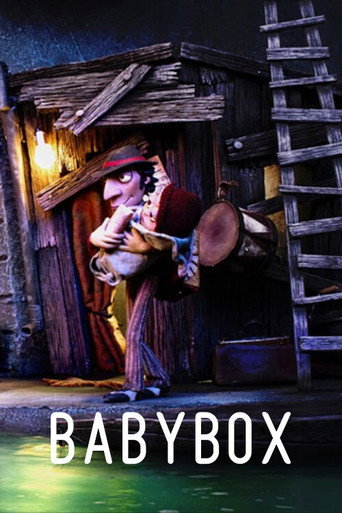
In a remote East European town, the evening bells can’t hide the cry of a hungry baby. His father, a street-musician named Baro, is also having a bad day. The social worker is blaming him on being a miserable parent, but Baro refuses to obey the advice of the worker: he definitely won’t put his little one into the BabyBox.
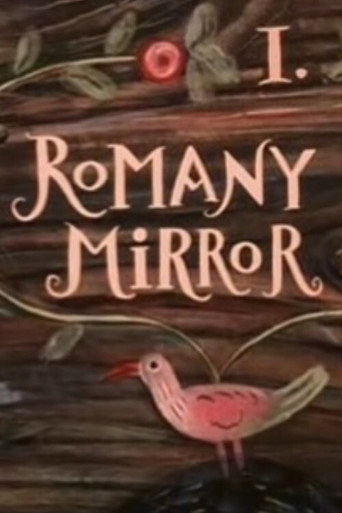
Mire bala kale hin, (which means the girl with the long black hair in Romanes) was the first TV programme ever produced as a childrens program about the Roma minority in Czech Republic. It is a co-production between Finnish/ Czech/Netherlands television. The story is about a Roma girl, who is told Roma stories, legends, dreams, fairy-tales and true stories. Beside the Czech and Finnish also an english version had been produced.
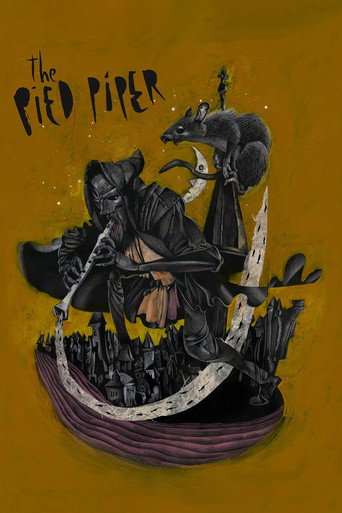
A darkly brilliant stop-motion adaptation of The Pied Piper of Hamelin about a plague of rats that punish townsfolk corrupt with greed. One of Czechoslovakia's most ambitious animation projects of the 1980s, notable for its unusual dark art direction, innovative animation techniques and use of a fictitious language.
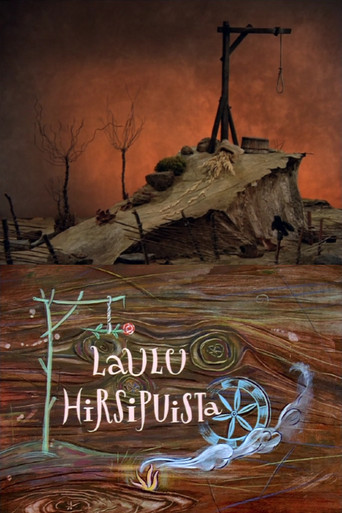
The Song of the Gallows is based on a medieval, seventeenth-century story about a magic violin that saves the life of a Roma man from the gallows. The Polish princess Katarina Jagellonica arrives in Finland in order to get married to Duke Juhana; after listening to the Romani musician playing his instrument she agrees to his request that all the gallows should be torn down in the country to save the Roma from execution.
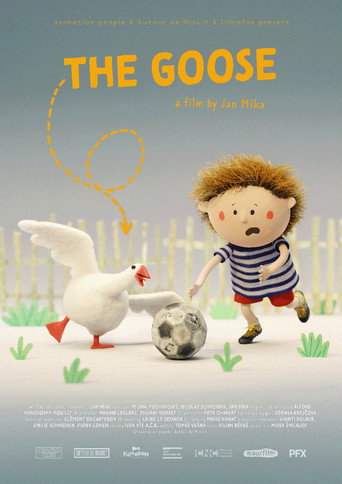
A young boy dreams of becoming a professional footballer and playing in the biggest stadiums, but before he can do this he has to win a match in a little yard, against a goose.
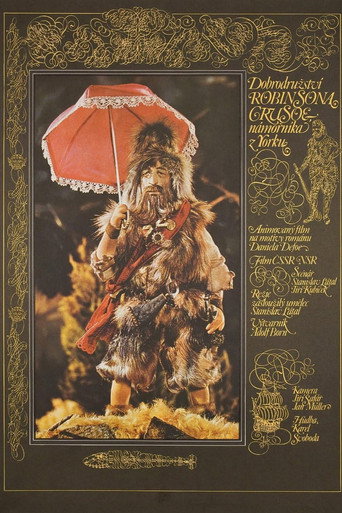
The picture, unlike the other film adaptations of the story, focuses much more on Crusoe’s life before and after his stay on the island. Following the principle of setting the novel right, it describes Crusoe’s experiences with delicate irony and understanding.