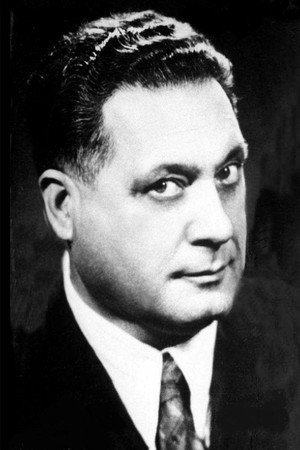
Alexandru Giugaru Movies, TV Shows, and Filmography
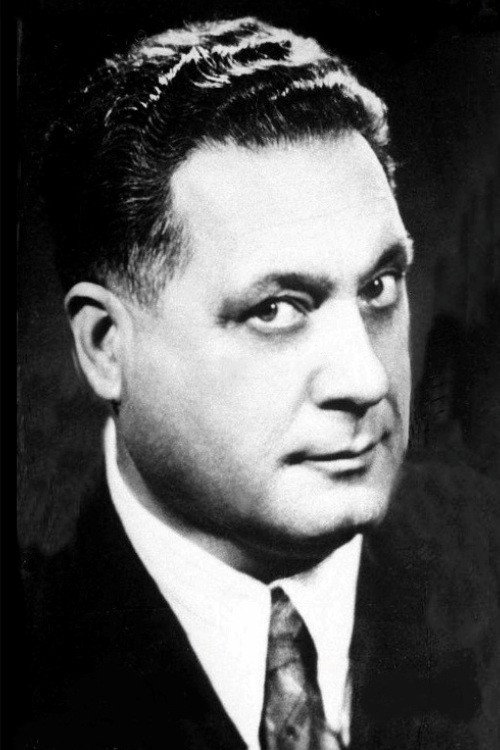
Alexandru Giugaru
Acting
Biography
No biography available.
Filmography Movies
Acting
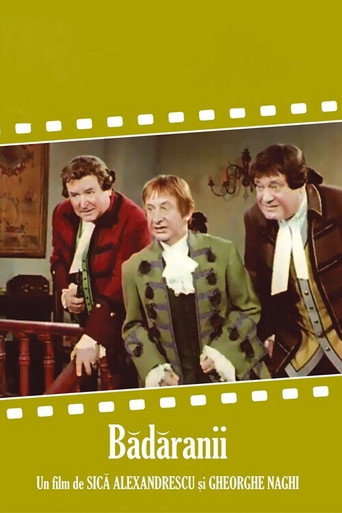
The Boors
Movie adaptation after Carlo Goldoni`s "I rusteghi" comedy, written in 1760.
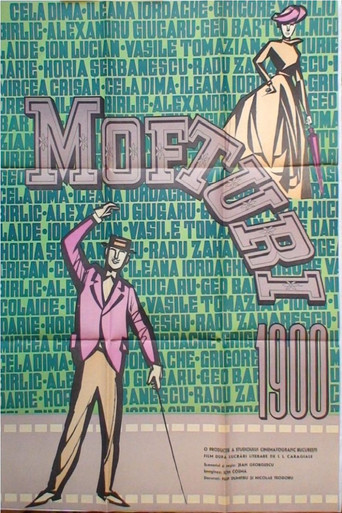
Mofturi 1900
Mofturi 1900 is a 1964 Romanian comedic film directed by Jean Georgescu and based on Ion Luca Caragiale's many Moments and Sketches. The sketches used are "Diplomatie" ("Diplomacy"), "Amicii" ("Pals"), "O lacuna" ("A gap"), "Bubico", "C.F.R." (abbreviation of "Romanian Railways") and "Din statiune" ("From resort"). The film stars Grigore Vasiliu Birlic, Iurie Darie and Ion Dichiseanu; and features Ioana Bulcă, Alexandru Giugaru, Mircea Crisan, Geo Barton and others. Set at the beginning of the 20th century, the story revolves around two Mitică characters sitting at a cafe telling stories to each other.
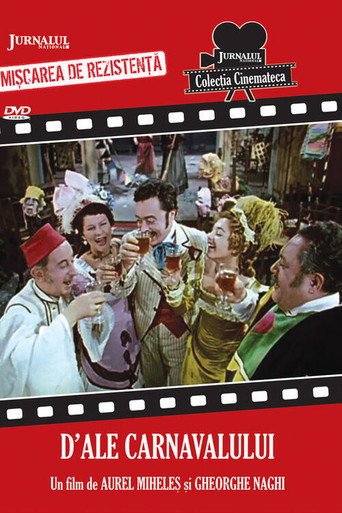
D'ale carnavalului
Nae Girimea, a barber from a late 19th-century Bucharest neighborhood, finds a new mistress, Didina. This event sparks the insane jealousy of his 'soulmate' mistress, Mita Baston, as well as that of the violent Pampon, Didina's official lover. Caught in this whirlwind of pursuit and punishment of the daring barber, all taking place during a carnival, is also Crăcănel, Mita’s official benefactor.
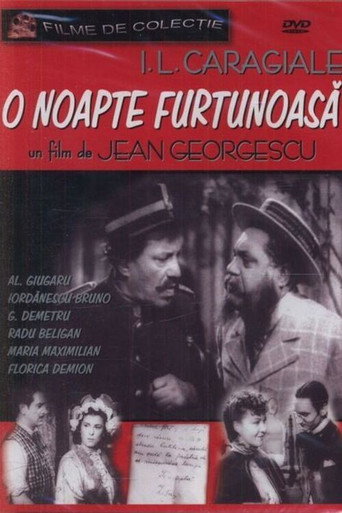
Stormy Night
Bucharest, 1876. Don Dumitrache instructs his trusted man, Chiriac, to watch his young wife, Veta. Dumitrache is sure that Veta having an affair, she does not know is that her lover is Chiriac own...
Doi Băieți ca Pâinea Caldă
Two awarded bakers try to make out with girls by lying about their profession, but when they pretend to be doctors they get caught.
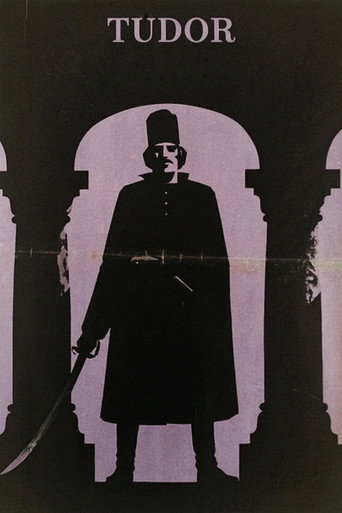
Tudor
Tudor Vladimirescu fights against the Ottoman Turkish domination of Romania and the social agitation ,his story includes the war between Russia and Turkey from 18o6 to 1812,for which he was decorated by the Russians.
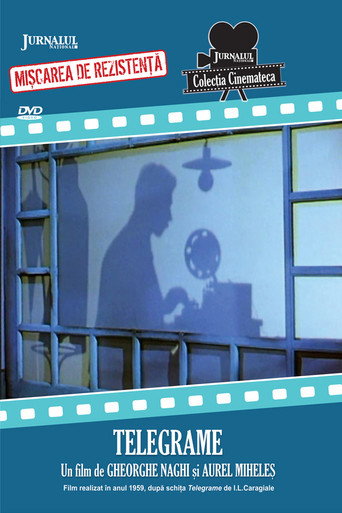
Telegrams
Geared more for the home crowd with a good knowledge of their own history, this Romanian political comedy takes place at the turn of the 20th century, when two opposing factions are going at each other tooth and nail to win an election. One candidate is a staunch if not deluded conservative and the other is a radical liberal. Anticipating modern election campaigns by a good half a century, the two candidates decide that the best way to win is to sling as much mud as possible. Lacking the Internet and fifteen-second TV spots, they do the best they can -- they send each other virulent telegrams denouncing each other's personal failings.
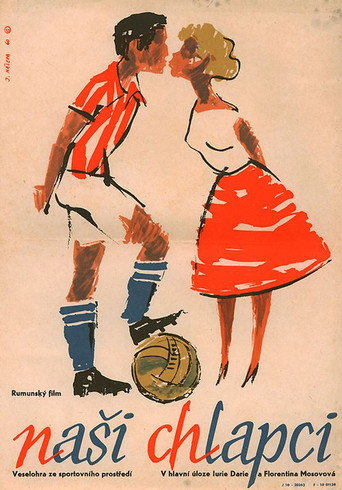
Our Lads
A star of a small town soccer team gets involved with the pretty sister of his main rival in the team.
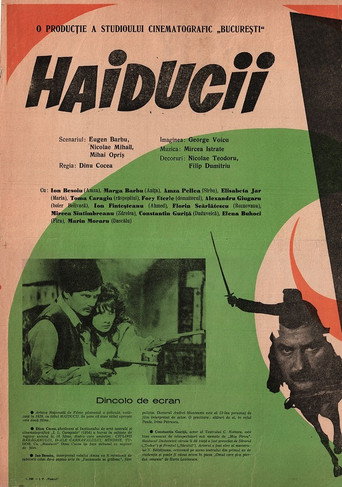
The Outlaws
First of 2 films set during the 18th century in the mountains of Wallachia, about a band of outlaws aiming to undermine the rule of the Phanariots and the Ottomans. The story evolves around the two stepbrothers who lead this band, Sarbu and Amza, with their complex and violent relationship.
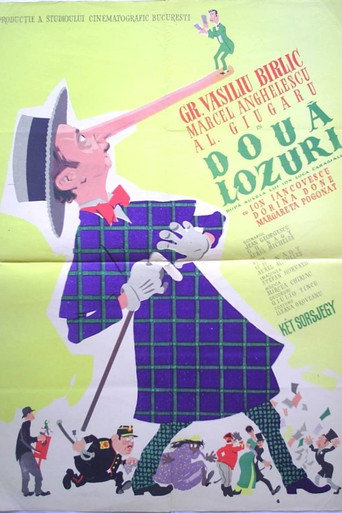
Two Lottery Tickets
1957 film adaptation of Romanian playwright Ion Luca Caragiale's novella “Două loturi” (Two Lottery Tickets, 1901). The scenario was written by director Jean Georgescu, one of the most skilled Romanian filmmakers of the 1940s and 1950s, while the directing belongs to Aurel Miheleş and Gheorghe Naghi, at that time both recently graduated from the All-Union State Institute of Cinematography in Moscow. This is the second feature film in colour from Romania. Despite the great public success, the film was often criticized by reviewers, mostly for its unhandy directing from the two debutants. Miheleş and Naghi would however continue their collaboration and release another two Caragiale adaptations, of which “Telegrame” (Telegrams, 1959) was nominated for the Palme d'Or (Golden Palm) at the 1960 edition of the Cannes festival.
Gallery