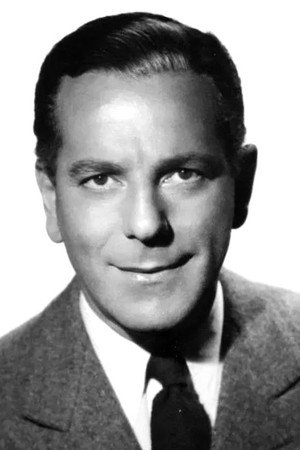
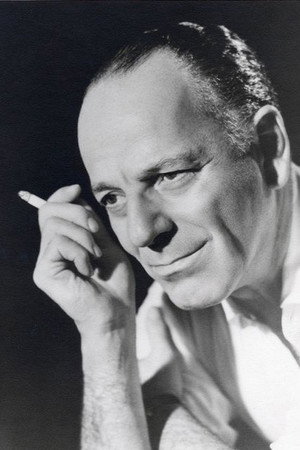
Alex Minotis Movies, TV Shows, and Filmography
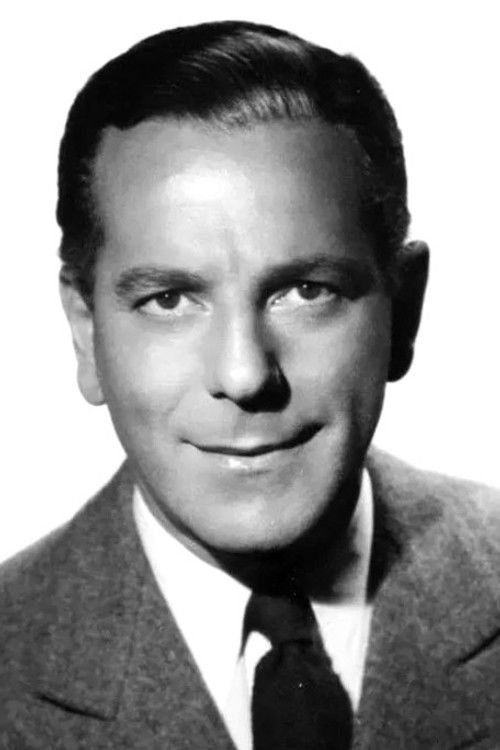
Alex Minotis
Acting
Biography
Alexis Minotis (Greek: Αλέξης Μινωτής; born Alexandros Minotakis (Greek: Αλέξανδρος Μινωτάκης)(8 August 1900 – 11 November 1990) was a Greek actor and director. He first appeared on stage in his native Crete as Chorus Leader and later as Messenger in Sophocles' Oedipus Tyrannus. From 1925 until 1930, he worked in close collaboration with the famous Greek actress Marika Kotopouli in her own theatre. During this period, he appeared in the great Shakespearan roles in The Merchant of Venice, King Lear, Macbeth and played the title role in Hamlet, the first time the play had been staged in Greece. Other roles in the classical repertoire were Henrik Ibsen's Ghosts and Peer Gynt. He expanded his talents by directing ancient Greek tragedies such as Hecuba, Antigone, The Phoenissae, Prometheus Bound, Oedipus at Colonus, as well as Seán O'Casey's Juno and the Paycock, August Strindberg's The Father and Brecht's Mother Courage. In 1940, he married the actress Katina Paxinou, and together they appeared in many productions at the National Theatre of Greece in Athens, which was founded in 1930 by Minister of Education Georgios Papandreou. In 1946, he went to Hollywood to appear in Alfred Hitchcock's Notorious with Cary Grant, Ingrid Bergman and Claude Rains. In the same year, he also appeared with Robert Cummings and Michèle Morgan in The Chase. His other films include Siren of Atlantis (1949) with Maria Montez, Boy on a Dolphin (1957) with Sophia Loren, and Land of the Pharaohs (1955) with Joan Collins. In 1955, he directed Katina Paxinou in Euripides' Hecuba for the National Theatre of Greece at The Ancient Theatre of Epidaurus and starred in Oedipus Rex as well as directing. In 1956, he made his first appearance in Oedipus at Colonus. The production received great acclaim, and Minotis went on a long international tour with the company. He appeared on Broadway in Electra with the Marika Kotopouli company in 1930-31 and in Oedipus Tyrannus with the National Theatre of Greece in 1952. In 1958, Minotis directed Maria Callas in a production of Medea presented in Dallas. The production was then seen at Covent Garden, Teatro alla Scala and Epidaurus. He also directed the Greek National Opera production of Norma with Callas in Epidaurus in 1960.
Filmography Movies
Acting
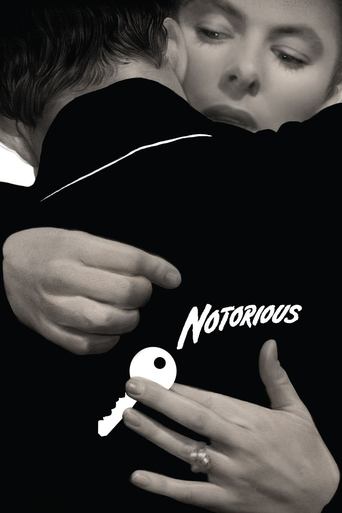
Notorious
In order to help bring Nazis to justice, U.S. government agent T.R. Devlin recruits Alicia Huberman, the American daughter of a convicted German war criminal, as a spy. As they begin to fall for one another, Alicia is instructed to win the affections of Alexander Sebastian, a Nazi hiding out in Brazil. When Sebastian becomes serious about his relationship with Alicia, the stakes get higher, and Devlin must watch her slip further undercover.
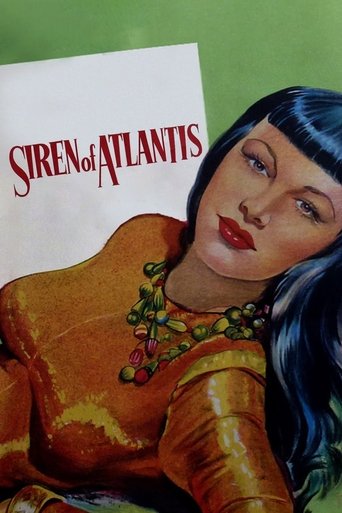
Siren of Atlantis
Two Foreign Legion soldiers, Jean (Dennis O'Keefe) and Andre (Jean Pierre Aumont), accidentally discover the famed lost continent of Atlantis. Bewitched by the sultry, beauty of the Queen of Atlantis (Maria Montez) the two men vie for her affections; little realising that her previous lovers have been embalmed into statues that line the passages of her kingdom.
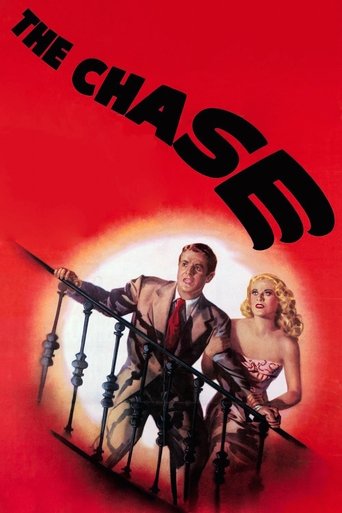
The Chase
Chuck Scott gets a job as chauffeur to tough guy Eddie Roman; but Chuck's involvement with Eddie's fearful wife becomes a nightmare.
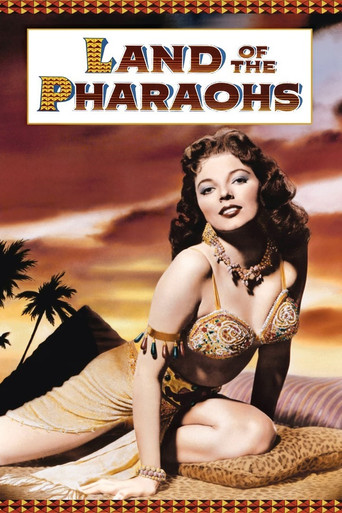
Land of the Pharaohs
A captured architect designs an ingenious plan to ensure the impregnability of the tomb of a self-absorbed Pharaoh, obsessed with the security of his next life.
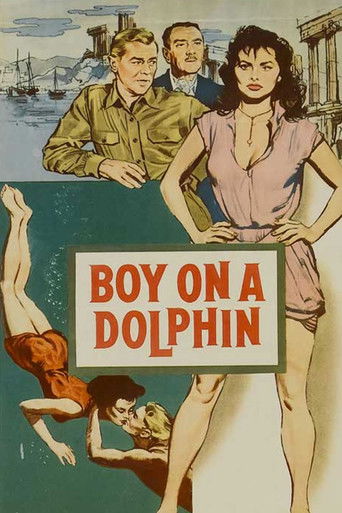
Boy on a Dolphin
Phaedra is a poor sponge diver on the lovely Greek isle of Hydra. While diving, she discovers an ancient brass and gold statue of a boy riding a dolphin, which is said to have the magical power to grant wishes. Her shiftless boyfriend wants to sell it to an unscrupulous art collector, but Phaedra wants to give it to anthropologist Jim Calder, who would return it to the Greek government.
The Immortal Land
Ancient Greece, contrasted with modern Greece.
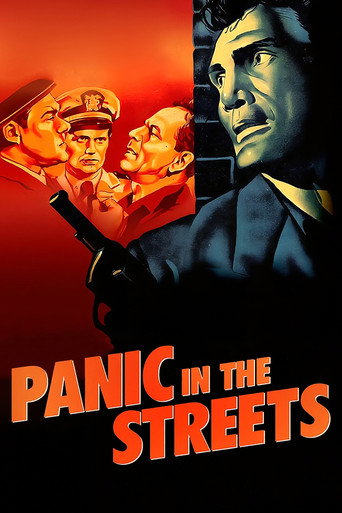
Panic in the Streets
A medical examiner discovers that an innocent shooting victim in a robbery died of bubonic plague. With only 48 hours to find the killer, who is now a ticking time bomb threatening the entire city, a grisly manhunt through the seamy underworld of the New Orleans Waterfront is underway.
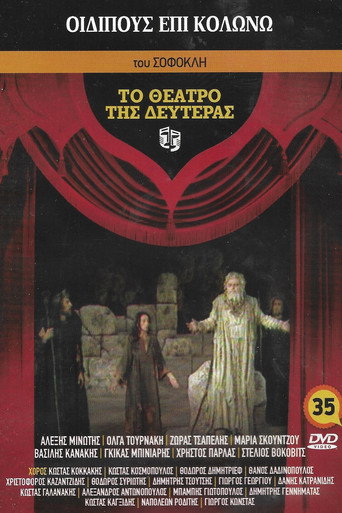
Oedipus at Colonus
Oedipus at Colonus is the second of the three Theban plays of the Athenian tragedian Sophocles. It was written shortly before Sophocles's death in 406 BC and produced by his grandson at the Festival of Dionysus in 401 BC. The play describes the end of Oedipus's tragic life.
Gallery