Aleksei Kapler Movies, TV Shows, and Filmography
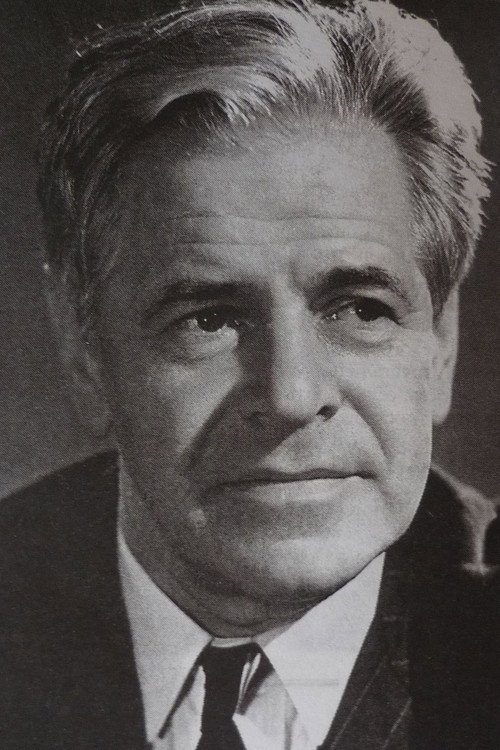
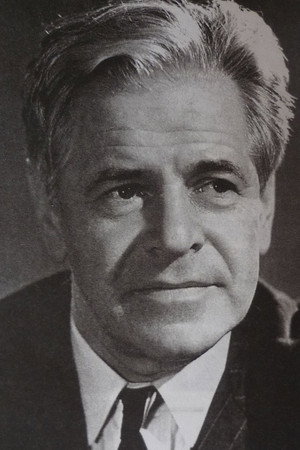
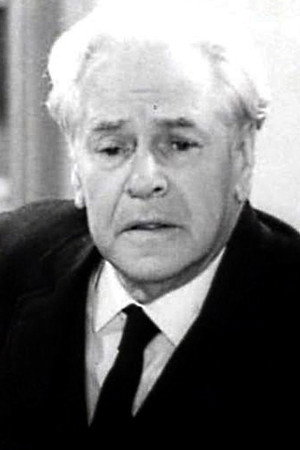
Aleksei Kapler
Writing
Biography
Aleksei (born Lazar) Yakovlevich Kapler (also Alexei, Russian: Алексей (born Лазарь) Яковлевич Каплер) (15 September 1903, Kiev – 11 September 1979) was a prominent Soviet filmmaker, screenwriter, actor and writer. He was known as screenwriter of many Soviet movies, such as Lenin in 1918, Amphibian Man, The Blue Bird and Striped Trip, as well as one of the anchors and directors of TV program Kinopanorama (a cinema overview). In 1941, Kapler was awarded the Stalin Prize.
Filmography Movies
Acting
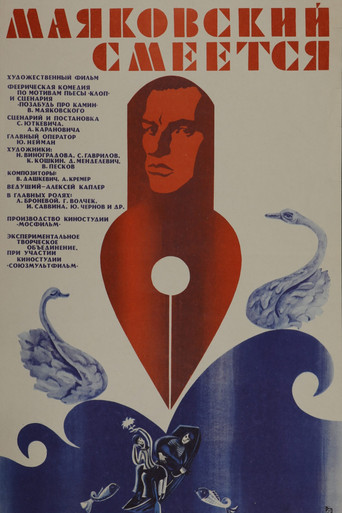
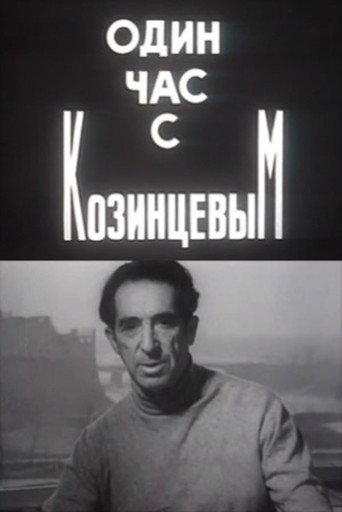
Mayakovsky Laughs
This little-seen and little-discussed film combines animation with self-reflexive, live action segments to embody the anarchic, satiric spirit of the poet and playwright Vladimir Mayakovsky (1893-1930). The film also showcases Sergei Yuktevich's fondness for formal experimentation. It is nominally adapted from Mayakovsky's play "The Bedbug" and his screenplay "Forget All About the Fireplace."
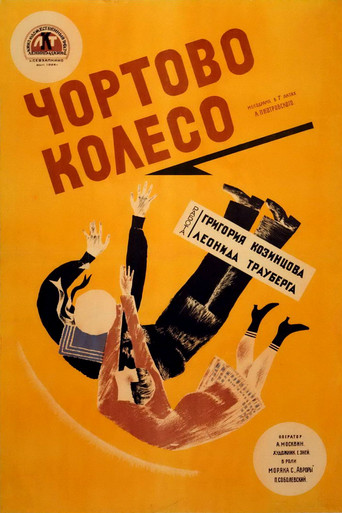
The Devil's Wheel
Typically of the heady days of early Soviet cinema, this is constructed according to the fast, sharp editing principles advocated by Eisenstein, complete with symbolic inserts; but in terms of subject matter, it's much less explicitly political than most movies emerging from Russia in the '20s. Chronicling a young sailor's descent into a murky, treacherous underworld of pimps and thieves, after having encountered a Louise Brooks lookalike at a fairground and missed his departing boat, it's a lively moral fable that delights in vivid visual effects and quirky characterisations. If the plot occasionally reveals gaping holes, and the tacked-on ending urging the clearance of the Leningrad slums seems to be rather gratuitous, there's enough going on to keep one attentive and amused.
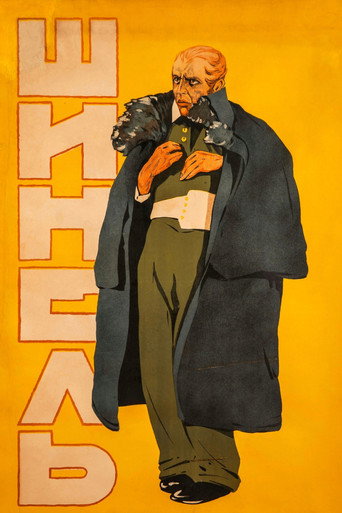
The Overcoat
Soviet film based on Nikolai Gogol stories "Nevsky Prospekt" and "The Overcoat".
Production
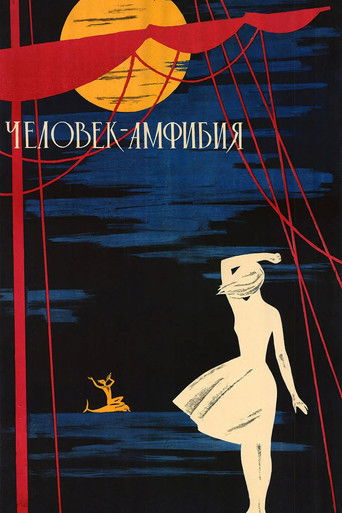
Amphibian Man
People living at a seashore town are frightened by reports of an unknown creature called "the sea devil". Nobody knows what it is, but it's really the son of doctor Salvator. The doctor performed surgery on his son and now young Ichtiander can live under water. This gives him certain advantages, but also creates a lot of problems.
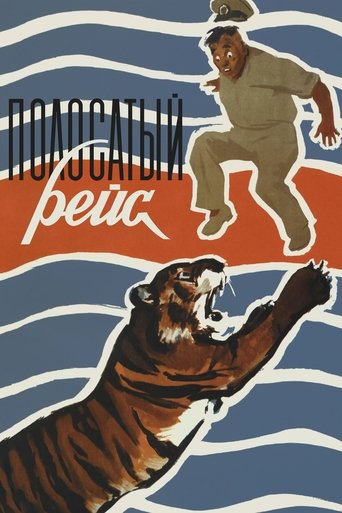
Striped Trip
A Soviet cruise ship "Evgeni Onegin" is carrying cages with tigers and lions for a Soviet Circus. One loose monkey unlocks all cages, letting the tigers and lions out. Poor passengers and crew have no place to run. The captain abandons his post out of fear, and the monkey takes over the captain's post. The ship gets under total control by the tigers and lions. Only one lady is standing up to the challenge. Her name is Marianna, she loves animals, and she takes the situation under control.

One Day of War
A Soviet documentary chronicling a single day of the Great Patriotic War—June 13, 1942, the 356th day of the conflict. Filmed simultaneously across all fronts and the home front by 160 newsreel cameramen, and edited by Mikhail Slutsky at the Central Studio of Documentary Films, it offers a sweeping portrait of total war. Released in October 1942, the project captured the Soviet struggle against the German invaders in a single, coordinated day of filming.
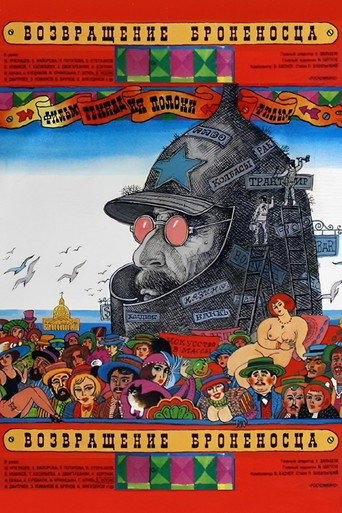
Return of the "Battleship"
The naive hero, having read clever books, marries a prostitute with the aim of re-educating her and collides with the famous Sergei Eisenstein, ending in the most unexpected and fatal way...
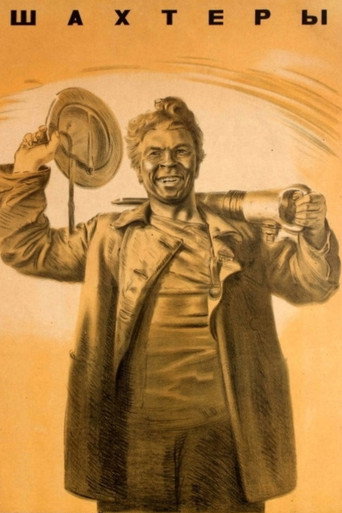
The Miners
Semyon Primak, in the direction of the regional committee, arrives in one of the small towns of Donbas and immediately enters into battle with the chief of the mine, Chub, who, in a situation of continuous assault, plays into the hands of the Trotskyites and bandits operating in the mine. Having received moral support from the new secretary, the best 'udarnik', shockworker Matvey Bobylev implements a new method of coal mining and, contrary to the intentions of the enemy group, finds a wide response among the miners of Donbas.
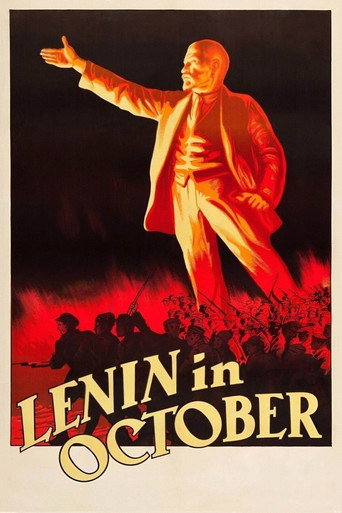
Lenin in October
Commissioned by Josef Stalin to commemorate the 20th anniversary of the Soviet Revolution, Lenin in October was the first of Russian director Mikhail Romm's tributes to the Marxist visionary who helped orchestrate the insurrection of October, 1917.
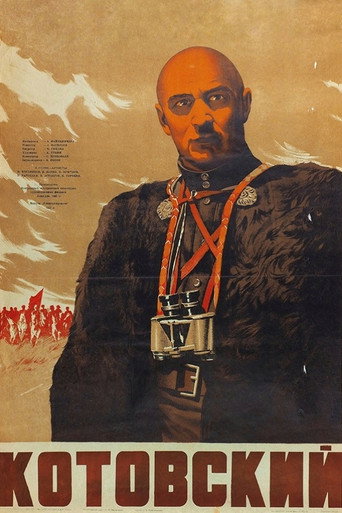
Kotovsky
Kotovsky, who went a long revolutionary way and became the recognized military commander of the cavalry troops: commander, brigade commander, commander. Six times he escaped from prison, was sentenced to death, and again escaped to become one of the most ardent warriors of the revolution. His famous equestrian brigade fought with the enemy near Kiev and the Belaya Tserkov, at Nikolaev and Odessa, and did not know defeat anywhere.
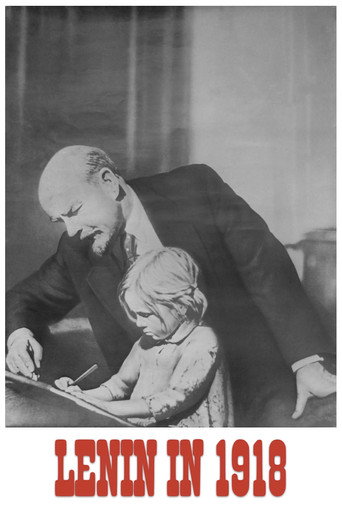
Lenin in 1918
Historical-revolutionary film about Lenin’s activities in the first years after the Great October Revolution in Russia.

Right to a Woman
The heroine of the film leaves her husband, who does not allow her to study, takes her child with her and goes to medical school.
Right to a Woman
The heroine of the film leaves her husband, who does not allow her to study, takes her child with her and goes to medical school.
Gallery