Aleksas Kazanavičius Movies, TV Shows, and Filmography

Aleksas Kazanavičius
Acting
Biography
No biography available.
Filmography Movies
Acting

Dance
Wishing to restore a broken bond with his son, a father throws himself into Vilnius nightlife.
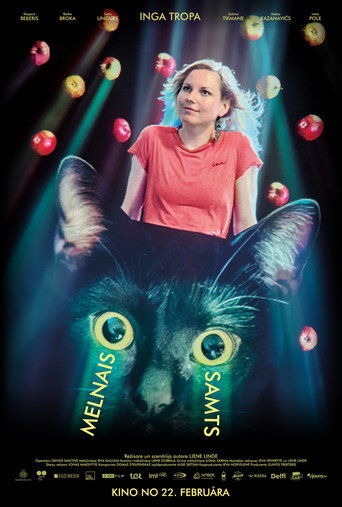
Black Velvet
An insecure millennial woman pursues her dream whilst learning how to adult. While being preoccupied with life tasks at hand she can barely handle and also severe depression, main character of this film Marta (30) keeps dreaming about making films, drawn to the healing power of storytelling, but not having the courage to act these dreams out; sometimes she is too scared to even pick up the phone. Marta’s life seems to sway both in comic and tragic directions: it’s sometimes a mix of ultimate freedom, sex, drugs, friendship, laughter, alcohol, lots of alcohol, music, honesty and love, and sometimes the reality Marta avoids to face becomes so brutal she can’t take it anymore. Through the course of the film Marta learns there is an unavoidable question that at some point becomes inevitable for almost every filmmaker: if you really want to direct films, can you first direct yourself out of depression?
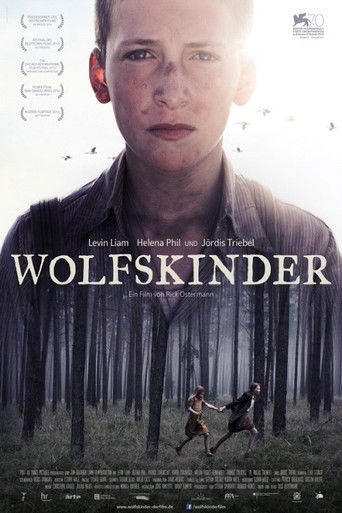
Wolf Children
The story of a boy who, driven by the search for his lost brother in the turmoil of WWII, joins a group of children in order to survive the chaos of post-war anarchy in the haunted forests of Lithuania.

January
It is 1991 in Latvia and nineteen-year-old aspiring cinematographer Jazis’s whole world is thrown into chaos as he is dragged into the people’s peaceful protests against the Soviet Army’s attempted takeover of power in his country.

Imported Groom
The life of local businessman Cibulkis turns upside down when his daughter Kotryna introduces him to her fiancee Fransua, as the ultra-conservative father did not expect his son-in-law to be of African American origin.
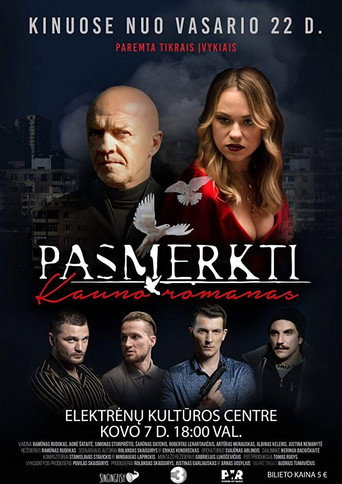
Condemned. Kaunas Novel
Based on true story of four friends who decided to take over the city. Giedrius is released after serving a long 12 year sentence for unlawful conduct he did with his friends while being a child.
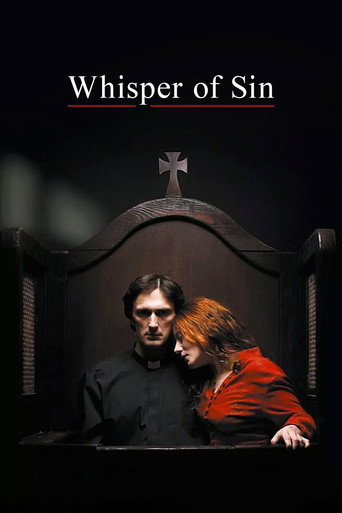
Whisper of Sin
A nearly-suicidal, young woman visits a psychotherapist. She is in love with a priest, and the diagnosis of her husband's mental illness leaves no hope. The psychotherapist, in her attempts to resolve the amassed difficulties, seemingly begins to duplicate the life stages and behavioral patterns of her patient. A script for this film is based on motifs from the best-seller, scandalous novel, Witch and Rain, by female author, Jurga Ivanauskaite. By choosing a priest as the main role for a love story, the author broke an existing societal taboo. Faith, Love and Hope form the trilogy by the authors of this screenplay. Love stands as the grandest of the three.
Twittering Soul
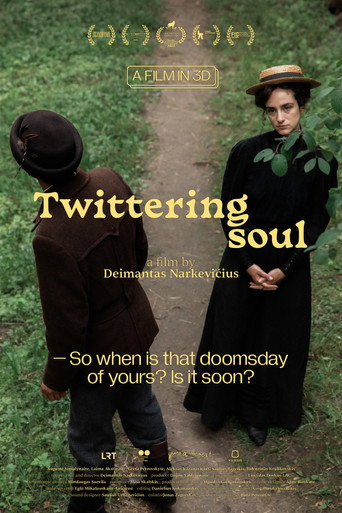
A musician on his way to meet a fellow fiddler, encounters two girls and is taken aback by their talks about afterlife. The musicians walk towards a village observing events, unable to discern phantasy from reality. Later, both men attend a funeral, where archaic rituals intertwine with the practice of marrying a dead girl to an ‘afterlife groom’.
Utterly Alone
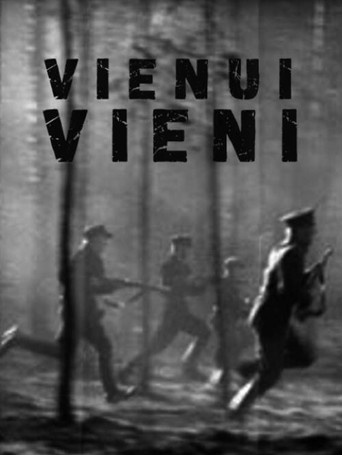
The film portrays Lukša's attempts, in trips to western Europe, to gain support for the armed anti-Soviet resistance (known as the Forest Brothers), whose fortunes in a guerrilla war against Soviet authorities were waning, largely due to widespread infiltration and harsh crackdowns by the NKVD.
Parade
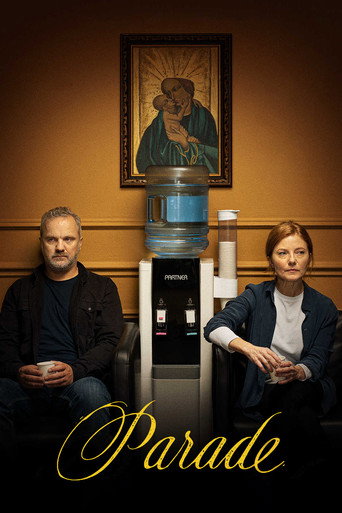
Miglė, who married when she was very young, has for 26 years been divorced from her ex-husband who one day calls her and asks for a favour. He has found that it would be a good time to get married again after the death of his mother. But there is a small problem: their divorce is valid only in the eyes of the law, because a Catholic marriage cannot be divorced. It can, however, be annulled. All that needs to be done is to complete an application and give the “Catholic court” a good reason. But she does not know in what kind of absurd situations she is about to find herself in.
Gallery