Aleksandr Milyutin Movies, TV Shows, and Filmography
Aleksandr Milyutin
Acting
Biography
No biography available.
Filmography Movies
Acting
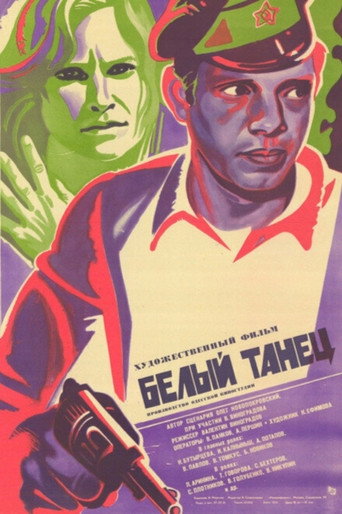
White Dance
The 20s. Stepan Khomutov returns to the Kuban village of Talitsy from the front of the Civil War and decides to organize a commune in the former princely manor. The peasants, fearing both bandits and communards, wait for the outcome of the struggle. In this difficult situation, the former farmhand Alyona, the wife of a rich man, fell in love with the farmhand Ignatka, who by the weakness of his character joined the bandits and received the task to burn the village...
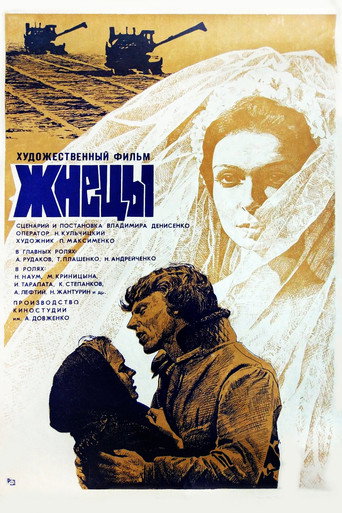
Reapers
Combine harvester operator Vasyl Bylan decides to leave for the Volga region for the harvest right after his wedding. There he receives a commemorative gift for his labor. He wants to return to his wife, but the guys call him to the Altai - snow has fallen there and the grain is perishing. He helps harvest the grain and it becomes clear that without him everyone would drag it off to their personal barns...
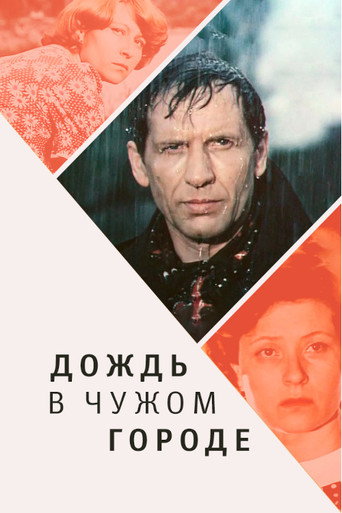
Rain in a Foreign City
Based on the novel of the same name by Daniil Granin. Engineer Chizhegov often travels on business to a small town, where he meets a woman who reciprocates his feelings. The protagonist faces a difficult problem: he is married, and his family lives in Leningrad. Unable to make a final decision and afraid of losing his beloved, he commits a despicable act. His remorse comes too late—Chizhegov loses the woman who was truly dear to him forever.
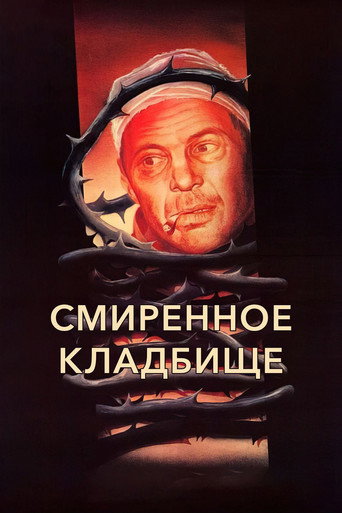
The Humble Cemetery
The main character Vorobei is a professional grave digger and alcohol addict, who runs away from hospital to dig graves instead of treating his head broken by his brother. He comes to cemetery and keeps on working, instead of his friends' advice to stay in the hospital. The world of death turns out to be surrounded by corruption, satanic money-making, cemetery mafia and lots of vodka.
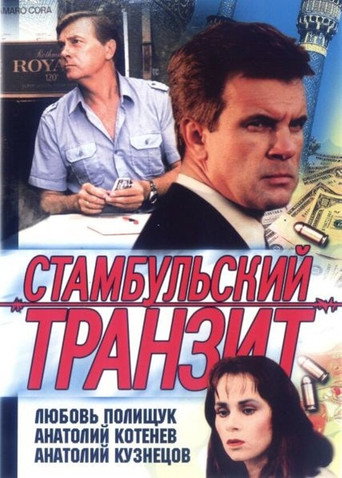
Istanbul Transit
Another shipment of drugs arrives in Ukraine from Istanbul in a cargo of expensive carpets. The drug traffickers are closely followed by Interpol officers, whose goal is to uncover the entire chain of the criminal business. But it soon turns out that the criminals have access to the police information. A police officer is involved in the drug trade...
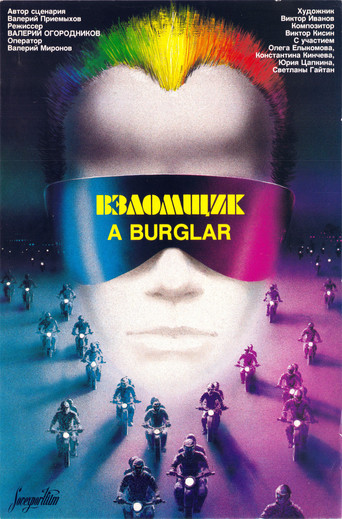
The Burglar
With a brother dedicated to punk rock stardom at any cost and a drunken father who chases skirt between robotic dancing lessons from the TV, young Senka stands as much chance of nurture as the hero of Truffaut's 400 Blows. The amazing thing about Ogorodnikov's film is that it was made in Russia. Clearly, plenty of Soviet teenies share the nihilistic feelings of their Western counterparts, and the extensive footage of safety-pin chic at concerts perhaps points to a sound export instinct on the director's part. Senka's brother Kostya is under pressure from Howmuch, a very heavy rocker, to steal a synthesiser from the Community Centre, so to protect him Senka steals it himself. The story occupies little more space than the music, but the performances are splendid enough to lodge Senka's predicament in the heart.
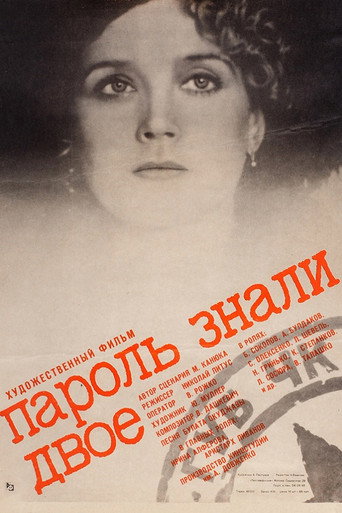
Two Knew the Password
The 1920s. Count Kabardin, who emigrated to France, sends Colonel Lavrov to Russia with the aim of bringing his daughter Irina to Paris. Irina married Chekist Andrei Slavinsky and joined the revolution. Under the guise of a White Guard lieutenant, Andrei is sent to France. He carries out a secret intelligence mission. But Irina believes that her husband has died. The chairman of the Cheka, learning of Lavrov's visit, gives him the opportunity to take Irina to France and gives her a new assignment and a password for Andrei.
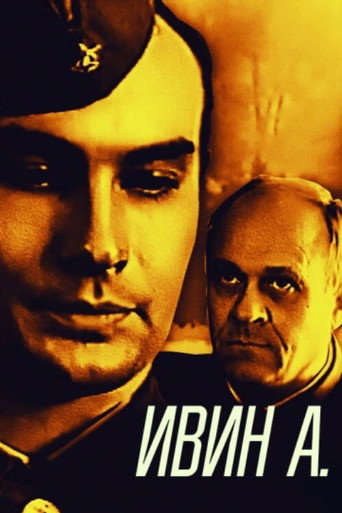
Ivin A.
Private Internal Troops Andrei Ivin is a security guard in a strict regime zone. He is absolutely not adapted to military service, a typical humanist who left the historical and archival institute. One summer, he stands at night on duty on the tower. A recidivist nicknamed Mishka Knyaz escapes. Private Ivin could not shoot him, and he was forced to go under the tribunal himself. In an explanatory note, he writes that he "refuses to continue to dispose of someone else's life." Under the supervision of the company commander Narotiev, he is sent to the disbat. Senior Lieutenant Narotiev is almost the same age as Ivin. It's hard for him to believe that the private is telling the truth. In his opinion, the soldier was simply at a loss, giving evidence, and fell asleep at the post, or, perhaps, chickened out.
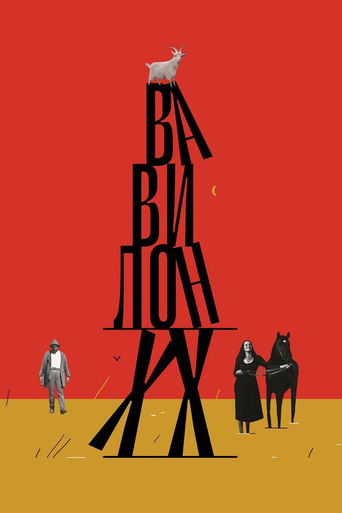
Babylon XX
The new reality changes the usual life in the village of Babylon. Attempts to communize the small town are met with resistance from the rich people living in the town. The Red Army finally puts down the resistance. Amidst the resistance philosopher Fabian returns to Babylon and tries to prevent bloodshed, but he meets a tragic fate.
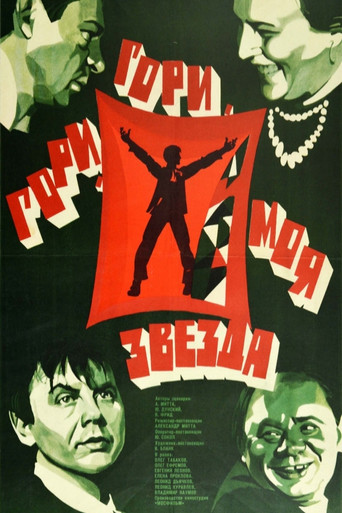
Shine, Shine, My Star
In 1920, just 3 years after the October revolution, the peoples had to decide between conforming to Bolshevism or national self-determination. In that torn-apart-time, one man, the comedian Volodya, tries to mediate, not between different ideologies, but social life and art. While others just want to wash away their gloom, he reflects on the everyday sorrows and the role of art in that time of changes.
Gallery