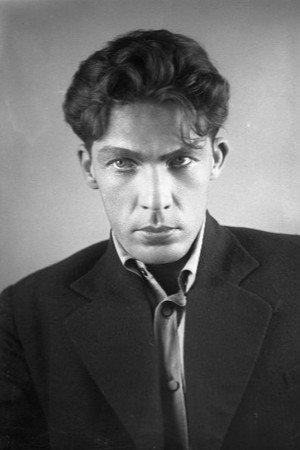
Aleksandr Chekayevsky Movies, TV Shows, and Filmography
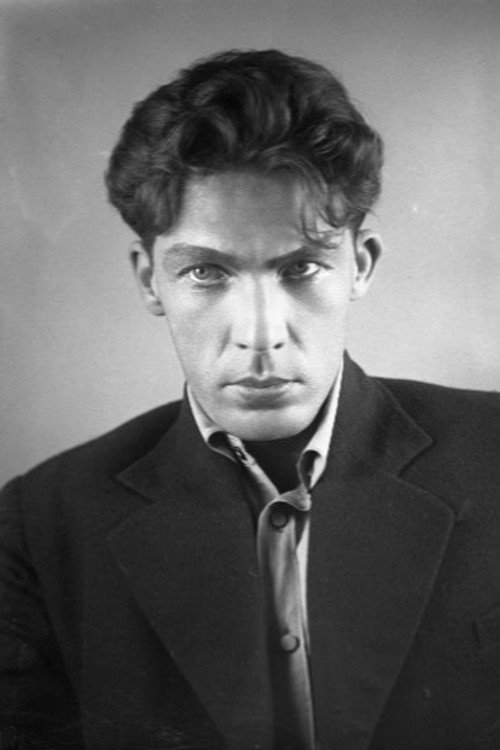
Aleksandr Chekayevsky
Acting
Biography
No biography available.
Filmography Movies
Acting
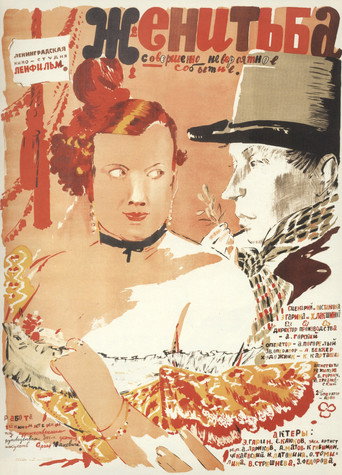
Marriage
The official Podkolesin is tired of his bachelor life, but at the same time he is afraid to disrupt his usual routine. His friend Kochkarev arranges a marriage between Podkolesin and the merchant's daughter Agafia Tikhonovna. It takes a lot of effort for Kochkarev to persuade his friend to go to his bride. But at the last moment, Podkolesin, frightened by the impending changes, runs away.
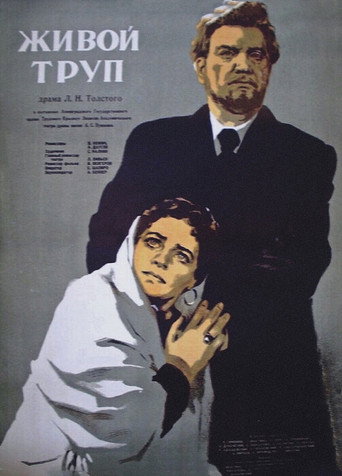
The Living Corpse
The Russian nobleman Fyodor Vasilievich Protasov cannot put up with the hypocrisy of his environment, but is powerless to fight it. He begins to drink, leaves the house and gradually falls. The behavior of Protasov helps to bring his wife Liza closer to a longtime friend of the family, Viktor Karenin. Unable to endure the lies and humiliation associated with the upcoming divorce proceedings, Fedya pretends to commit suicide and seemed to forever leave his family. It is only due to the accident that it becomes known that Fedor Protasov is alive. Liza, reconciled with the death of her husband and became the wife of Karenin, is summoned to court on charges of duality. To stop the stupid and deceitful comedy of the court and rid the shame of innocent people, Protasov shoots himself.
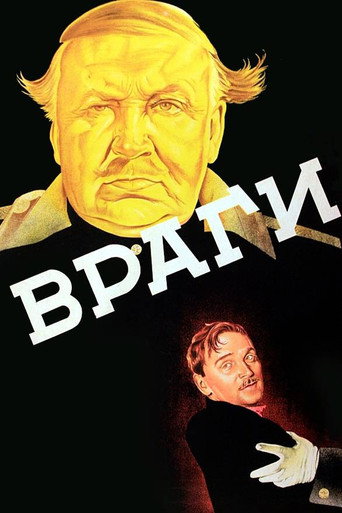
Enemies
The eve of the 1905 Russian revolution was unquiet at the Skrobotova and Bardin factory. In response to the fair demand of the workers to dismiss the cruel and rude master, the masters close the factory and call in the troops. They shoot of one of the workers, who failed to restrain a rush of hatred towards the owners, ending Skrobotov's life. Gendarmes arrive at the factory. They succeed in uncovering the social democratic organization in the factory. The arrested workers oppose hysterical cruelty of gendarmes with calm, confident courage.
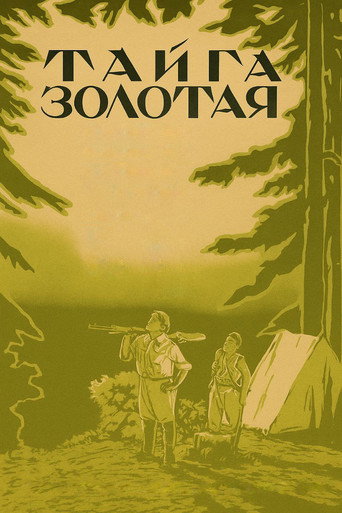
The Golden Taiga
A comedy from the life of Soviet gold prospectors at a mining site.
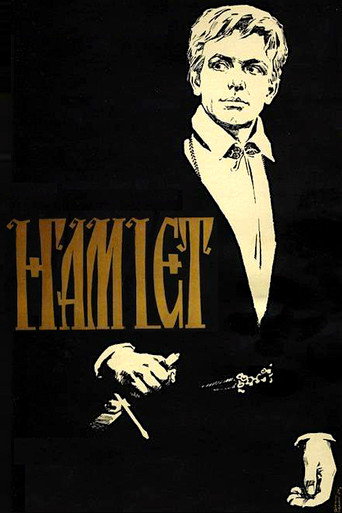
Hamlet
Shakespeare's 17th century masterpiece about the "Melancholy Dane" was given one of its best screen treatments by Soviet director Grigori Kozintsev. Kozintsev's Elsinore was a real castle in Estonia, utilized metaphorically as the "stone prison" of the mind wherein Hamlet must confine himself in order to avenge his father's death. Hamlet himself is portrayed (by Innokenti Smoktunovsky) as the sole sensitive intellectual in a world made up of debauchers and revellers. Several of Kozintsev directorial choices seem deliberately calculated to inflame the purists: Hamlet's delivers his "To be or not to be" soliloquy with his back to the camera, allowing the audience to fill in its own interpretations.
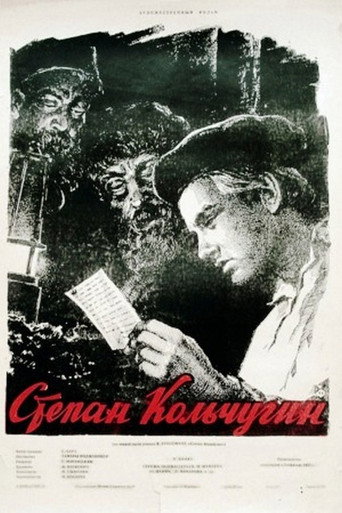
Stepan Kolchugin
The film is set in old Yuzovka on the eve of 1905. After searching the Kolchugins' apartment, where money from the strike fund was hidden, the police arrest Anna Kolchugina and her lodger, the miner and revolutionary Kuzma. Anna's teenage son, Stepan, is forced to go to work in the mine. There he learns about the existence of the revolutionary underground and joins its struggle.
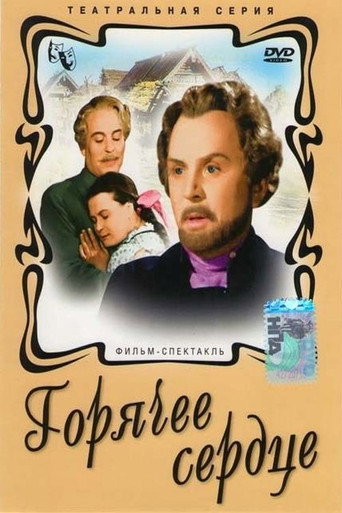
Hot Heart
A love story based on a classic play by Aleksandr Ostrovskiy.
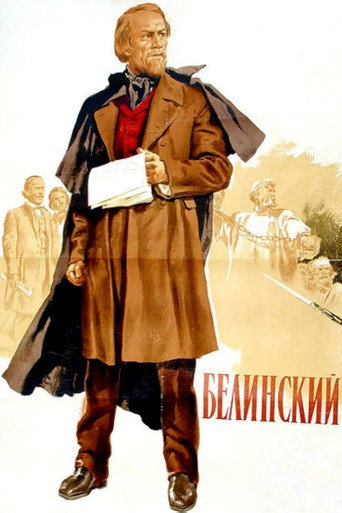
Belinsky
A biopic based on the life of Russian literary critic Vissarion Belinsky (1811–1848). The production of the film was completed in 1951, but it was not released until 1953, following the reshooting of various scenes demanded by Stalin.
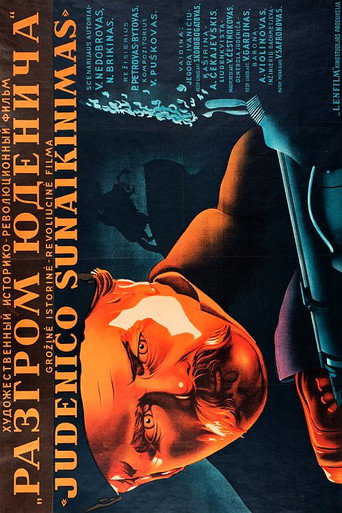
Defeat of Yudenich
About the struggle of the red Army and the revolutionary workers of Petrograd against the white guards in 1919....
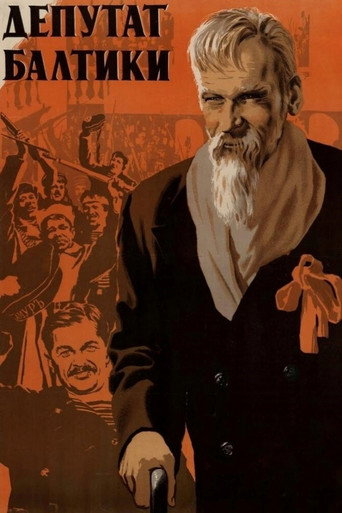
Baltic Deputy
A film based on the life of the Russian scientist, Klement Timiriazev, who taught at Cambridge and Oxford and was awarded the Newton Mantle for his work. Timiriazev, one of the few outstanding Russian scientists who (publically) backed the Soviets in their revolutionary campaign, was later elected a delegate to the Leningrad Soviet by the sailors of the Baltic fleet. There he denounced his fellow scientists for failing to aid the Soviets and predicted that such aid would come.
Gallery