Alejandro Nantón Movies, TV Shows, and Filmography
Alejandro Nantón
Editing
Biography
No biography available.
Filmography Movies
Production
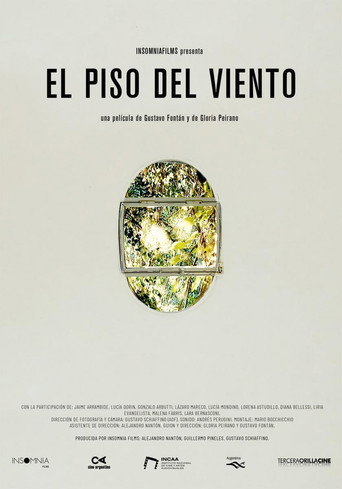
El piso del viento
A couple builds a space to live. When it is finished, before inhabiting it, they invite a group of people to visit it. The invited people circulate individually through this new and empty space. They look, they walk, they talk. The film tries to rescue the effect of that experience in each one of them. So the space itself becomes an experience. What will they leave of themselves? What will they take? What will they show of the human? What is a house? What do you do with the past? The series of people who briefly inhabit that place, recently built, still free of all traces, could be thought of as infinite. The space fills and empties. The residual of that transit remains: a luminous fragility.
El piso del viento
A couple builds a space to live. When it is finished, before inhabiting it, they invite a group of people to visit it. The invited people circulate individually through this new and empty space. They look, they walk, they talk. The film tries to rescue the effect of that experience in each one of them. So the space itself becomes an experience. What will they leave of themselves? What will they take? What will they show of the human? What is a house? What do you do with the past? The series of people who briefly inhabit that place, recently built, still free of all traces, could be thought of as infinite. The space fills and empties. The residual of that transit remains: a luminous fragility.
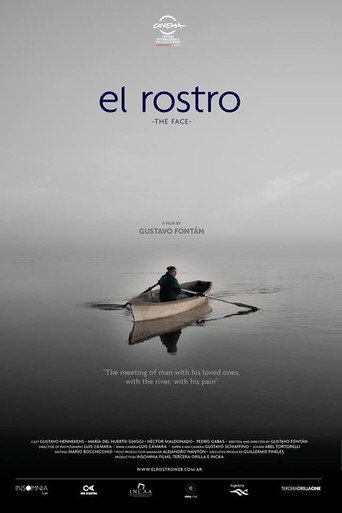
The Face
A man in a small boat reaches an island on the Paraná River. He heads towards a site where there used to be a house or small village. Now there is nothing. Slight signs of something old and lost: the place where he was born. His presence allows the things in the abandoned spot to materialize: huts and tables, animals and canoes. Soon others arrive on the island: his wife, father, friends, and children. This is a meeting of the Man and his loved ones. With the dead, the birds, the river's music and his pain.
The Face
A man in a small boat reaches an island on the Paraná River. He heads towards a site where there used to be a house or small village. Now there is nothing. Slight signs of something old and lost: the place where he was born. His presence allows the things in the abandoned spot to materialize: huts and tables, animals and canoes. Soon others arrive on the island: his wife, father, friends, and children. This is a meeting of the Man and his loved ones. With the dead, the birds, the river's music and his pain.
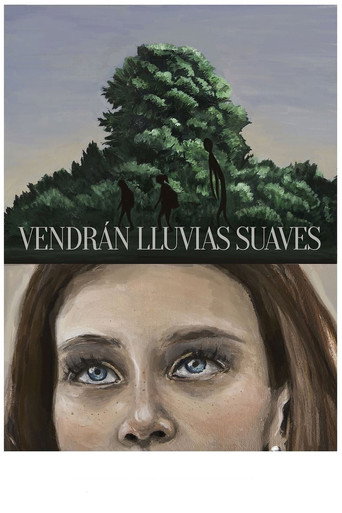
There Will Come Soft Rains
In a working-class neighborhood, in the outskirts of a small town, a group of children is faced with a strange and terrifying incident, which will soon develop into a true epidemic: all adults have turned into “sleepy beings”. The children, petrified yet determined, try hard to keep their spirits high and not give up hope that somehow, someday, their parents will “wake up”.
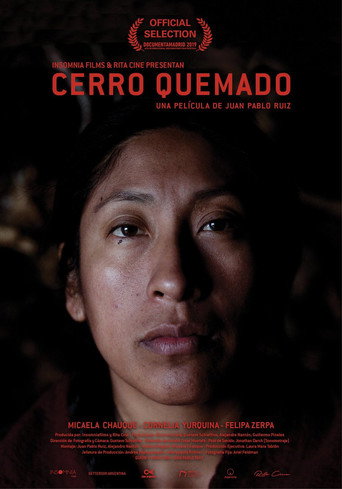
Cerro Quemado
Micaela and her mother Yurquina begin a journey in search of their grandmother Felipa, the last inhabitant of the forgotten and extraordinary landscape of Cerro Quemado. It is the poetic portrait of a world about to disappear, the meeting of three women united by an indigenous past.
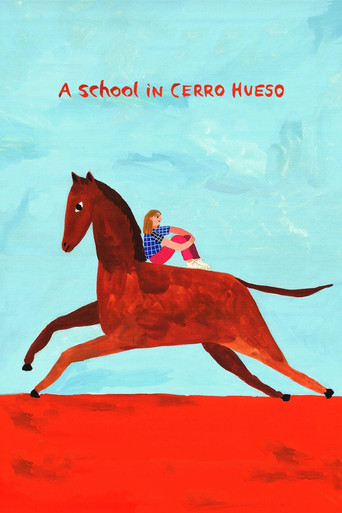
A School in Cerro Hueso
After numerous rejections, Ema's parents finally find a safe place for their daughter who has been diagnosed on the autism spectrum. In the loving community of the new primary school in the small town on the river, Ema can silently observe and explore the world at her own pace. The film gently follows Ema's small steps that evolve into magical moments.
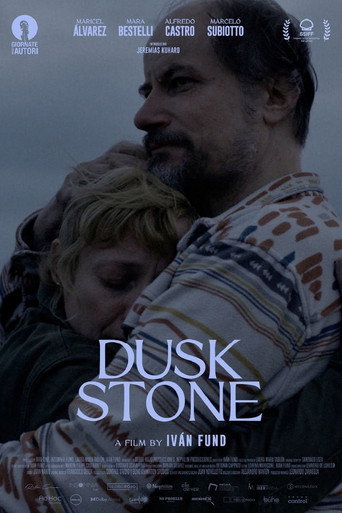
Dusk Stone
Greta and Bruno, her husband, struggle with grief after the disappearance of their son. Their friend Sina travels to the coast to help them sell their summer house.
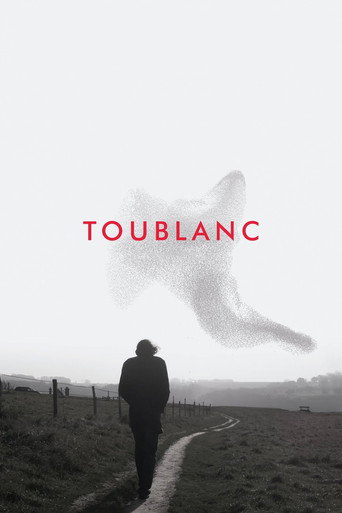
Toublanc
Three stories inspired by stories by Juan José Saer. A police officer returns to his hometown to investigate a murder; a teacher complains about a horse that has been abandoned. One day, a man is found dead, and there is no trace of the horse, which is the only witness to the murder.