Art
No biography available.
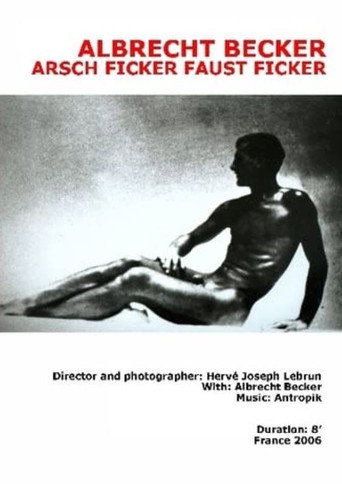
Documentary portrait of German production designer Albrecht Becker.
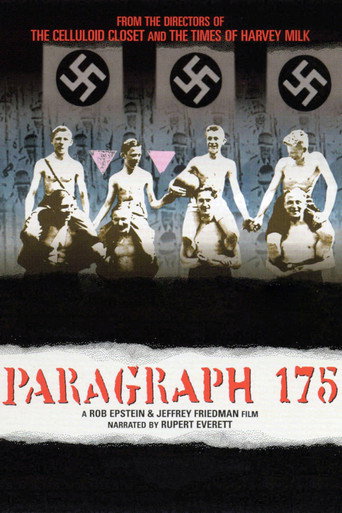
During the Nazi regime, there was widespread persecution of homosexual men, which started in 1871 with the Paragraph 175 of the German Penal Code. Thousands were murdered in concentration camps. This powerful and disturbing documentary, narrated by Rupert Everett, presents for the first time the largely untold testimonies of some of those who survived.
Albrecht Becker was one of the last people to have survived the enacted Nazi suppression of homosexuals, which started in 1933, with the implementation of Paragraph 175. Imprisoned in Nuremberg from 1935 to 1938, he then decides to enrol in the army. On the Russian front he starts taking photos. After the war he dedicates himself to his job as a cinema production designer and scenographer, working mainly with musical comedies. Becker had started to 'decorate' his body in 1943, practicing the art of tattoos and piercing and taking photos of his progressive transformations. The director puts the spotlight on the body of Becker with photographs resembling landscapes of a body which, by its constant mutations and history, left a mark on its century.
A pop singer who has been successful on Broadway, is homesick and returns.
A dance and music film tailored completely for Marika Rokk: After her divorce, the wife of a composer uses her wit and charm to engage Marika as a singer and dancer on the stage. This manages to give life once again to the extinguished love between her and her former husband.
The story of the Battle of Stalingrad from the perspective of a Panzer commander and an officer in a penal battalion.
A German TV-Drama.
The movie depicts the events from July until September of 1914 which led to the defeat of the German troops at the Marne. While Sebastian Haffner explains and comments on operations and decisions on the basis of situation maps, key scenes are depicted by actors. A main focus is thereby placed by Haffner onto the controversial mission of lieutenant-colonel Richard Hentsch who is said to have, during a war patrol to the various army high commands, contributed to the abortion of the operations significantly.
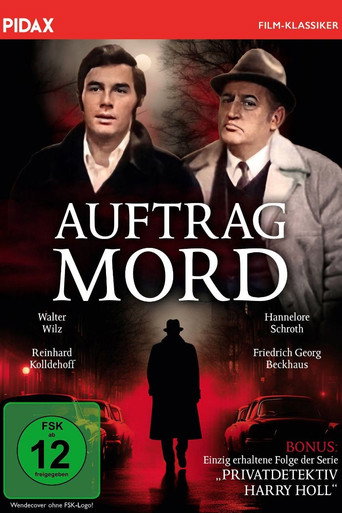
The unscrupulous bar owner Otto Grolbek hires the masseur Janos Klewe to murder his landlady. He then wants to inherit her and get his hands on some urgently needed money. But things turn out differently than planned: Janos is killed during the attempted murder in Portugal and Vera returns to Germany terrified. Now Otto has to commit the crime himself and kills his landlady. He disguises the crime perfectly, but has not reckoned with Inspector Mungowski's subtlety ...
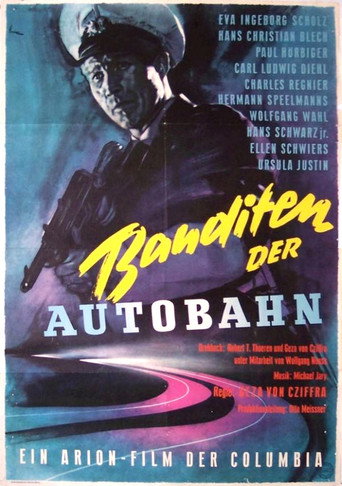
The film is based on a true story, concerning a series of robberies on the highways of Germany. At the time of the actual events, there was a controversy over whether or not highway patrolmen should be given permission to use firearms against perpetrators.
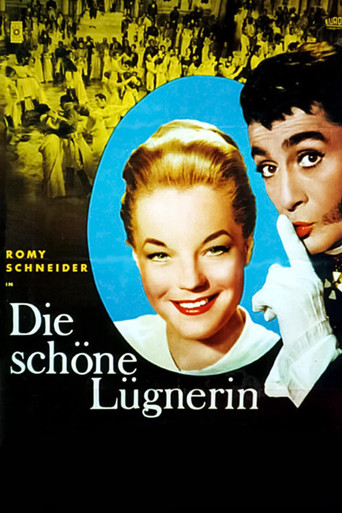
In 1815 Vienna, a corsetmaker falls in love with a valet.