Directing
No biography available.
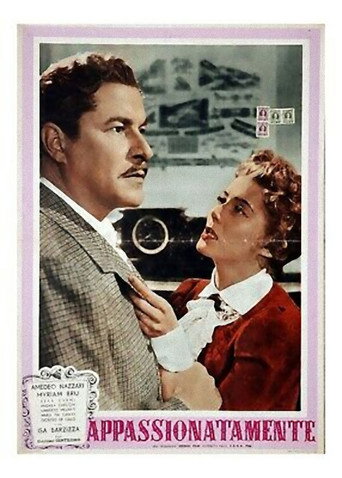
Anthology of tragic love. A noblewoman falls for a commoner. A doctor keeps quiet about his patients' infidelities. Expectant father is sent to fight in WWI. A 1920s fascist enjoys Rome's nightlife. WWII airman falls for a girl in Naples.
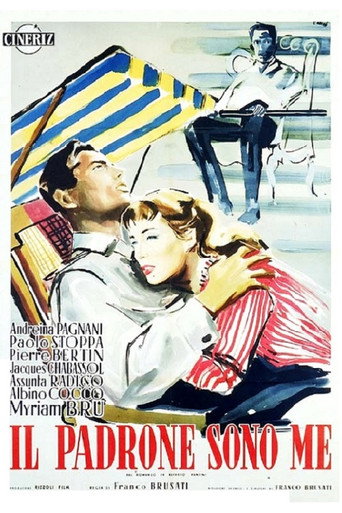
For the 17-year-old Mariza, there is no other house than the train station in Civitavecchia. Here, an orphaned girl lives early after the death of her father, a railwayman; here she earns additionally at the station buffet, selling ice cream to passengers of passing trains. Beautiful and brisk, she was accustomed to the admiration of others and perfectly mastered the art of coquetry, but Marise’s heart remains calm until the young sailor Angelo, who is in a hurry on her first voyage, leaves the train on the platform on a sunny Sunday morning.
In Romagna, an Italian district, at the beginning of the twentieth century, the owners of an estate are the professor Edoardo, always lost in reveries, and his wife Maria. They have a son, Robertino, who has a friend: Zvanin. Zvanin is the son of Mingòn and Marianna, two peasants. Dolly is an american cousin and every summer she comes in Romagna. The movie narrates their stories over the years until the post I World War period.
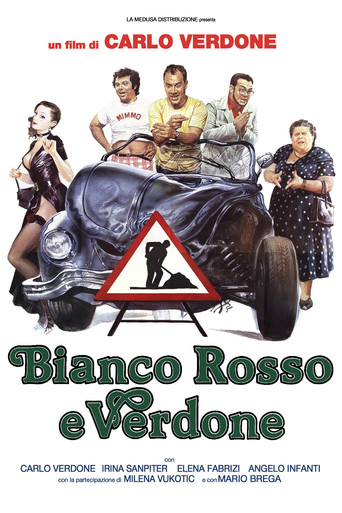
Three Italians travel to their hometown to vote for elections: Pasquale is a Southern immigrant living in Munich who's genuinely happy to come back to Italy, even if just for a few days, but the country he dreams of is far from reality; Furio travels to Rome with his family, but his niggling attitude threatens to push his wife Magda over the edge; young Mimmo is also going to Rome, but the trip is repeatedly interrupted by worries about his grandma's health.
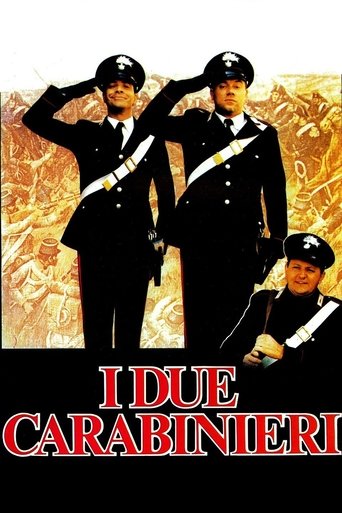
Two deadbeat friends barely pass the entrance exam for the Carabinieri, the national gendarmerie of Italy, but love for the same woman gets in the way.
Italy, 16th century. Petruchio, a choleric, lying and poor rural landowner from Verona, arrives in Padua in search of fortune and a wife, while Baptista, a wealthy merchant, announces that he will not allow Bianca, his youngest daughter, to marry until the temperamental and unruly Katherina, his eldest daughter, does.
The death of a wealthy patriarch in 1885 sets off an interfamily power struggle. Son Ferdinando buys out his other relatives in order to gain full control over the dead man's property. But Ferdinando's nephew Amerigo holds out. Amerigo's stance is weakened when he heads for Florence and meets prostitute Bianca.
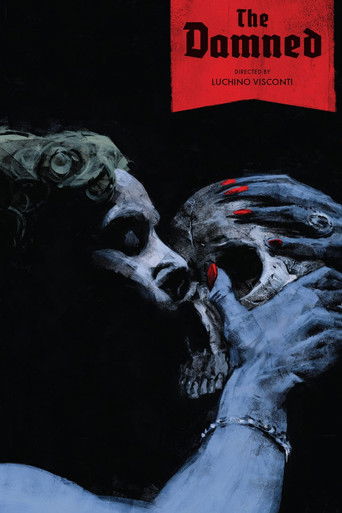
In the early days of Nazi Germany, a powerful noble family must adjust to life under the new dictatorship regime.
A Carthaginian general attempts to cross the Alps with an army of elephants in order to conquer Rome.
"Elena" cannot marry the man she loves, so enters into a loveless marriage with the wealthy "Andrea". Gradually she falls in love with him, but he never reciprocates. Things become further complicated when a letter from her first love "Carlo" is discovered.
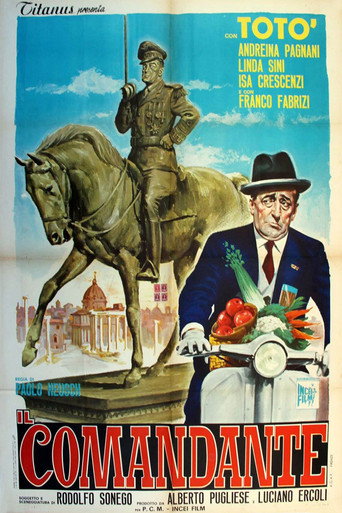
The retired general Antonio Cavalli is a nuisance to his family: to his wife Francesca who still works, to his son and to his daughter-in-law. Then he finds a job in a building firm. Only by chance Cavalli finds out that his salary is paid by his wife to keep him busy. But the general is well known as a very reliable man, and Sandrelli, the firm's owner, uses him and his name to win a valuable contract. When Sandrelli is arrested, the general finds the money to honour his debt but he is robbed while he is going to the bank...
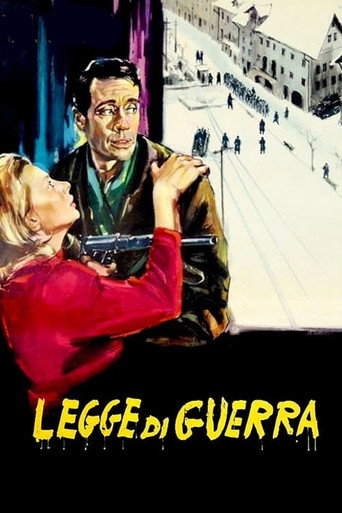
During WW2, in a Nazi-occupied country, a local partisan blows-up a German military train, prompting the Germans to take civilian hostages to be shot if the culprit doesn't surrender before a deadline.
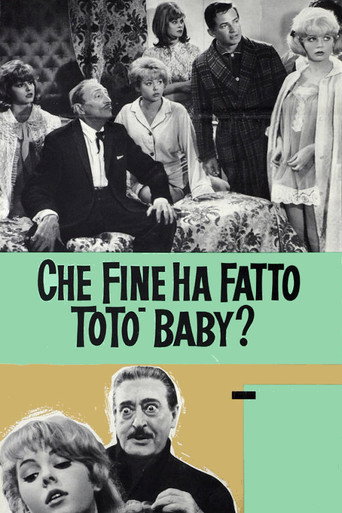
A pair of brothers, Baby Toto and Pietro, sons of different mothers, live stealing suitcases at the Termini Station in Rome. After a theft, they discover that the stolen suitcase they got from an apparent sweet old lady actually contains a corpse.