Alberto Molinari Movies, TV Shows, and Filmography
Alberto Molinari
Acting
Biography
No biography available.
Filmography Movies
Acting
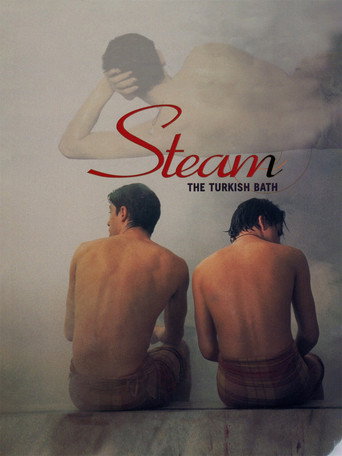
Steam: The Turkish Bath
Francesco and Marta run a husband-and-wife design company in Rome. When Francesco's aunt dies in Istanbul he travels there to sort out the hamam Turkish steam bath that she left him. He finds a love and warmth in his relatives' Istanbul home that is missing from his life in Italy.
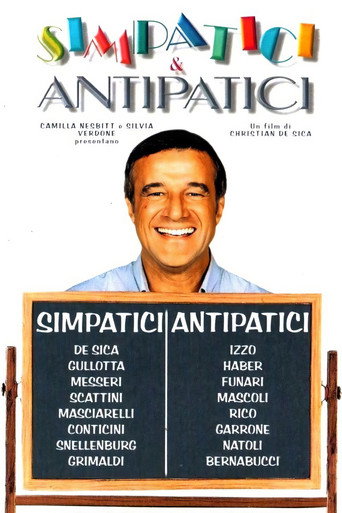
Simpatici & antipatici
In the Tiber sports club, Alberto, a ruthless property developer, the cynical surgeon who makes thirty million dollars after a prostate operation, the actor exhausted by failure and the failed salesman who sells caviar by discounting prices and who tries to make up for continuous overdrafts in the bank, meet. There is also the starlet with a Venetian accent and the hateful scion with a Ferrari, the waiter who dreams of being the scion and the jeweler who loses his house, wife and wealth because of the hot Spanish woman.
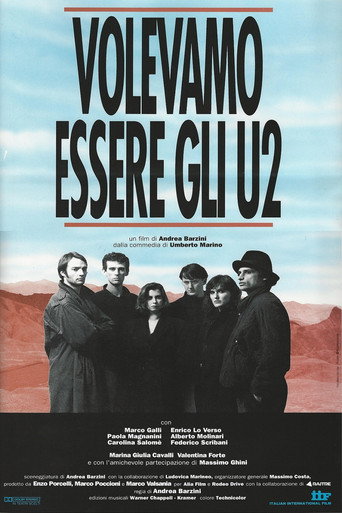
Volevamo essere gli U2
I Will Return
Anna, owner of an electro-mechanical factory, has an affair with her best friend Lisa's husband, hunky Maurizio; realizing she got pregnant, Anna tries to end the affair and, during an argument, Maurizio dies in a car crash—swearing that he'll come back. His promise seems to be fulfilled five years later when, during a wedding, Anna recognizes her lost lover in groom-to-be Tom.
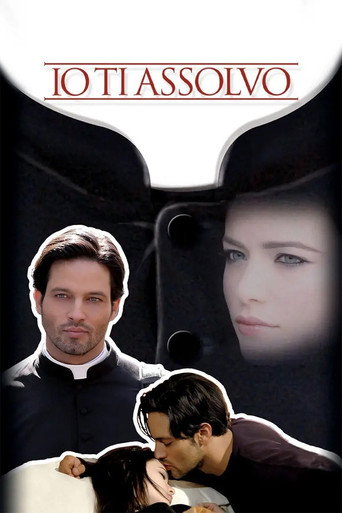
Io ti assolvo
A quiet provincial town is shaken by the murder of its parish priest. The young Father Francesco (Gabriel Garko), who is called to replace him, after an initial moment of calm, finds himself faced with the confession of a stranger, who admits to having killed his predecessor, threatening him not to say anything if he does not want to lose his life as well. The priest, therefore, follows the investigations of Commissioner Lariano (Lorenzo Flaherty) and, while revealing nothing, tries to prevent an innocent person from being accused of a crime they did not commit and begins to uncover the secrets of various important figures in the province. Complicating matters is the arrival of a young prostitute who resembles Father Francesco's great love before he took his vows. This is how the present and the past intertwine, amid crimes and murky discoveries.
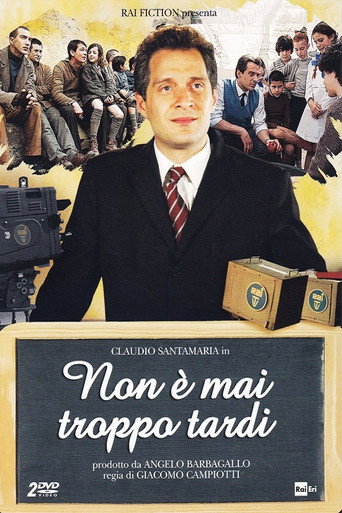
Non è mai troppo tardi
Alberto Manzi is twenty years old and wants to be a teacher. He gets the job at a juvenile correctional facility, to then get transfered to a proper school, who he deems inadequate. At that time the public broadcasting network Rai decides to realize a program to educate millions of Italians.
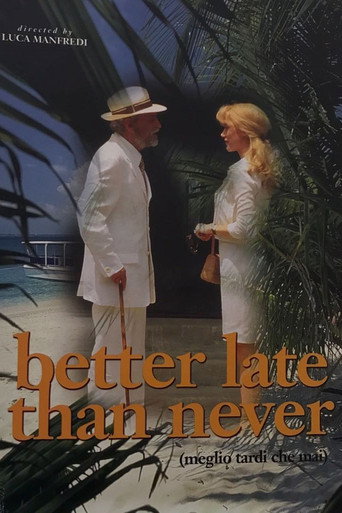
Meglio tardi che mai
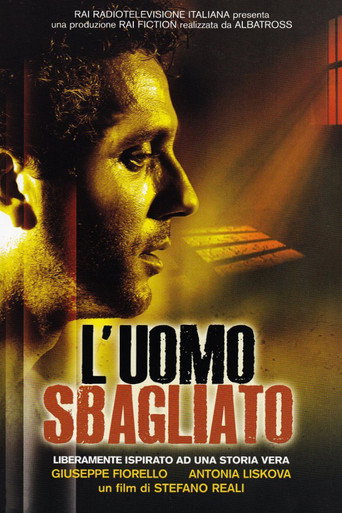
L'uomo sbagliato
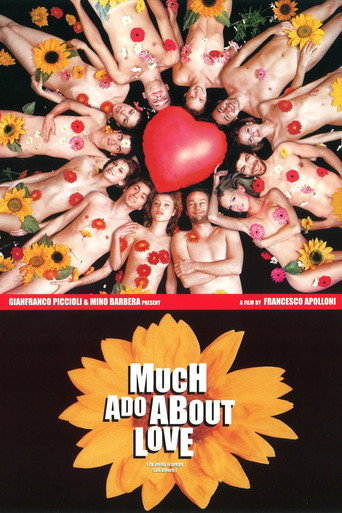
La verità, vi prego, sull'amore
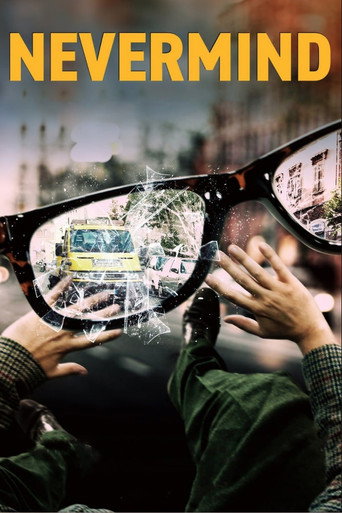
Nevermind
A lawyer with a deplorable habit; a sitter struggling with her disturbing new job; a childhood friend who's hiding something; a chef with an unspeakable desire; a psychologist haunted by a tow truck... In each segment, a normal person suffers extremely weird, disturbing and paradoxical situations. These situations may seem incredible, yet they happen.
Production
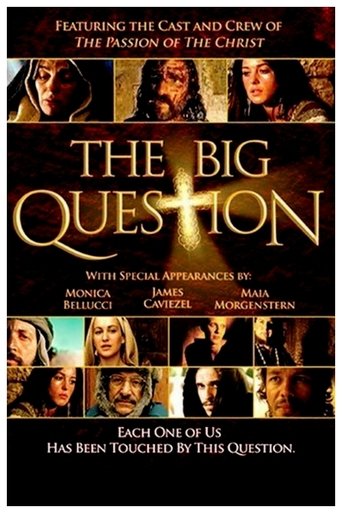
The Big Question
Although it was shot on the set of director Mel Gibson's controversial epic The Passion of the Christ, this thought-provoking documentary is not about the making of the movie. Rather, filmmakers Francesco Cabras and Alberto Molinari delve into the nature of divinity and spiritual beliefs through revealing interviews with Gibson and members of his cast and crew -- including stars Jim Caviezel and Monica Bellucci.
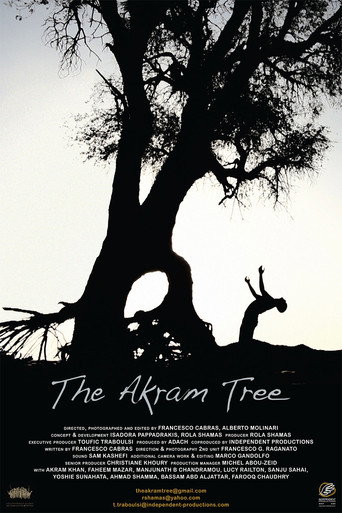
The Akram Tree
The Akram Tree is a journey through the personal and professional world of the british-bangladeshi coreographer and dancer Akram Khan. My intelligence is in my body says Akram himself, a body built by acute observations of the reality, legends, and unceasing work here well represented by Gnosis, a pièce realized in collaboration with seven artists expressely discovered in different parts of the world. These traditions and experimentations from India, Japan, Pakistan, England, Egypt, Iraq and Bangladesh collaborate together to create a work between classic indian kathak and contemporary dance. The film portrays the story of this peculiar human and artistic adventure often transcending the narration for the sake of a more visionary look influenced by the location where the documentary has been shot: the futuristic and conflictive city of Abu Dhabi with its desertic and metaphysical surroundings.
The Akram Tree
The Akram Tree is a journey through the personal and professional world of the british-bangladeshi coreographer and dancer Akram Khan. My intelligence is in my body says Akram himself, a body built by acute observations of the reality, legends, and unceasing work here well represented by Gnosis, a pièce realized in collaboration with seven artists expressely discovered in different parts of the world. These traditions and experimentations from India, Japan, Pakistan, England, Egypt, Iraq and Bangladesh collaborate together to create a work between classic indian kathak and contemporary dance. The film portrays the story of this peculiar human and artistic adventure often transcending the narration for the sake of a more visionary look influenced by the location where the documentary has been shot: the futuristic and conflictive city of Abu Dhabi with its desertic and metaphysical surroundings.
The Akram Tree
The Akram Tree is a journey through the personal and professional world of the british-bangladeshi coreographer and dancer Akram Khan. My intelligence is in my body says Akram himself, a body built by acute observations of the reality, legends, and unceasing work here well represented by Gnosis, a pièce realized in collaboration with seven artists expressely discovered in different parts of the world. These traditions and experimentations from India, Japan, Pakistan, England, Egypt, Iraq and Bangladesh collaborate together to create a work between classic indian kathak and contemporary dance. The film portrays the story of this peculiar human and artistic adventure often transcending the narration for the sake of a more visionary look influenced by the location where the documentary has been shot: the futuristic and conflictive city of Abu Dhabi with its desertic and metaphysical surroundings.
The Akram Tree
The Akram Tree is a journey through the personal and professional world of the british-bangladeshi coreographer and dancer Akram Khan. My intelligence is in my body says Akram himself, a body built by acute observations of the reality, legends, and unceasing work here well represented by Gnosis, a pièce realized in collaboration with seven artists expressely discovered in different parts of the world. These traditions and experimentations from India, Japan, Pakistan, England, Egypt, Iraq and Bangladesh collaborate together to create a work between classic indian kathak and contemporary dance. The film portrays the story of this peculiar human and artistic adventure often transcending the narration for the sake of a more visionary look influenced by the location where the documentary has been shot: the futuristic and conflictive city of Abu Dhabi with its desertic and metaphysical surroundings.
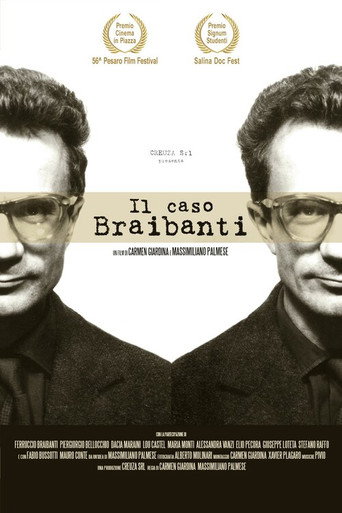
1968 The Braibanti Trial
Documentary about the life of Aldo Braibanti, an 'heretic' Italian intellectual, from early anti-fascist activism to his death, passing through the infamous 1968 mock trial which, under the flimsy accusation of “plagio”, actually aimed at his independence and homosexuality.

The Good Story
Fish stocks in the Mediterranean Sea have dropped to alarming levels, but in one of its most overexploited areas, the state of fish populations is improving. By protecting just 1% of the Adriatic Sea, fish stocks and vulnerable species have begun to recover. This is the inspiring story of the protection of the Jabuka/Pomo Pit, narrated through the voices of fishermen, scientists, NGOs and decision-makers.
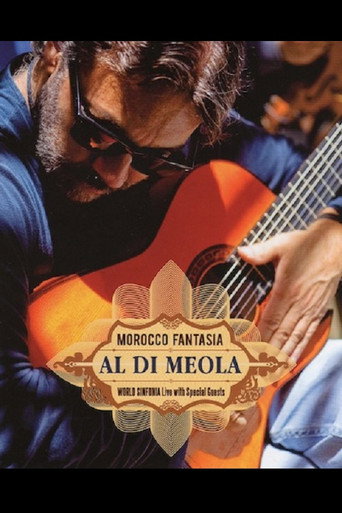
Al Di Meola - Morocco Fantasia
A high point of the Moroccan music festival is the Mawazine Festival in Rabat, Morocco. Al Di Meola's fantastic appearance in 2009 also represented a summit of different cultures and religions - Al Di Meola (guitar), Peo Alfonsi (2nd guitar), Fausto Beccalossie (accordion), Gumbo Ortiz (percussion), Victor Miranda (bass), Peter Kaszas (drums), and with special guests from Morocco, Said Chraibi (oud), Abdellah Meri (violin) and Tari Ben Ali (percussion). On his third trip to Morocco, the public gave this exceptional guitarist a rousing reception and showed its openness towards Western music.
Gallery