Alain Resnais Movies, TV Shows, and Filmography
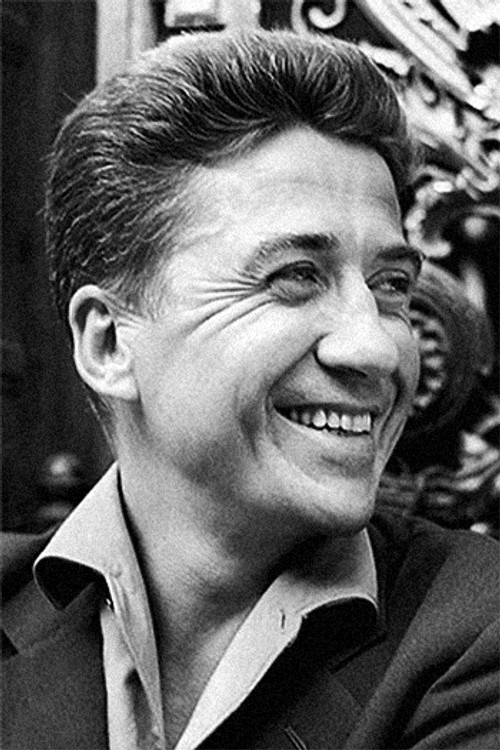
Alain Resnais
Directing
Biography
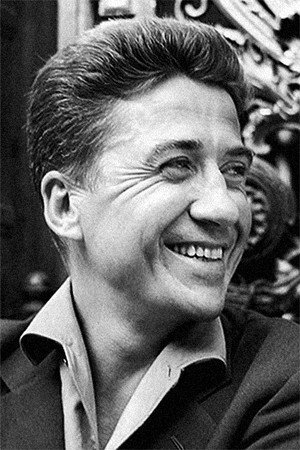
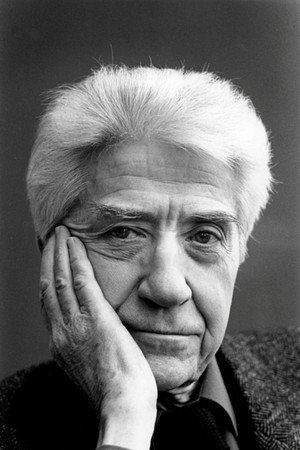
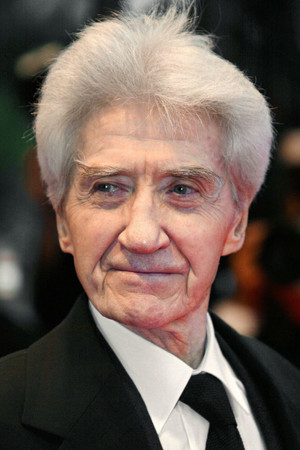
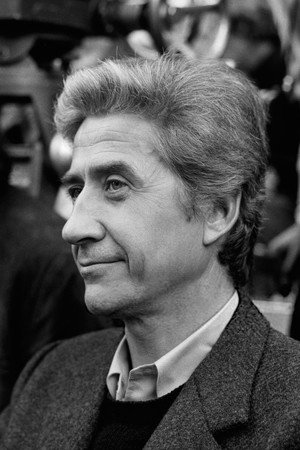
Alain Resnais (3 June 1922 – 1 March 2014) was a French film director and screenwriter whose career extended over more than six decades. After training as a film editor in the mid-1940s, he went on to direct a number of short films which included Night and Fog (1955), an influential documentary about the Nazi concentration camps. Resnais began making feature films in the late 1950s and consolidated his early reputation with Hiroshima mon amour (1959), Last Year at Marienbad (1961), and Muriel (1963), all of which adopted unconventional narrative techniques to deal with themes of troubled memory and the imagined past. These films were contemporary with, and associated with, the French New Wave (la nouvelle vague), though Resnais did not regard himself as being fully part of that movement. He had closer links to the "Left Bank" group of authors and filmmakers who shared a commitment to modernism and an interest in left-wing politics. He also established a regular practice of working on his films in collaboration with writers previously unconnected with the cinema such as Jean Cayrol, Marguerite Duras, Alain Robbe-Grillet, Jorge Semprún and Jacques Sternberg. In later films, Resnais moved away from the overtly political topics of some previous works and developed his interests in an interaction between cinema and other cultural forms, including theatre, music, and comic books. This led to imaginative adaptations of plays by Alan Ayckbourn, Henri Bernstein and Jean Anouilh, as well as films featuring various kinds of popular song. His films frequently explore the relationship between consciousness, memory, and the imagination, and he was noted for devising innovative formal structures for his narratives. Throughout his career, he won many awards from international film festivals and academies. Description above from the Wikipedia article Alain Resnais, licensed under CC-BY-SA, full list of contributors on Wikipedia.
Filmography Movies
Acting
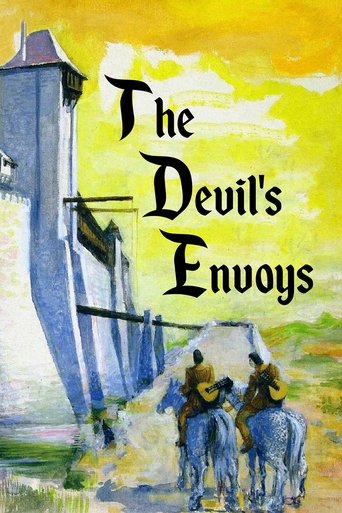
The Devil's Envoys
At the end of the 15th century, a man and a woman, posing as traveling minstrels, are sent by the Devil to a castle to seduce its inhabitants.
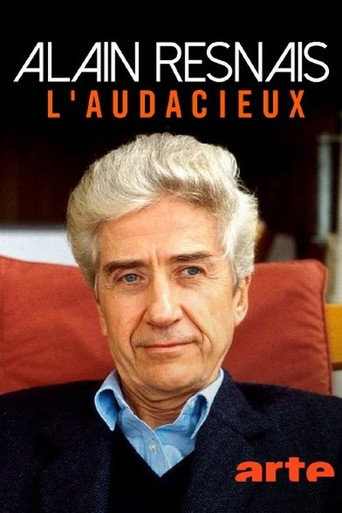
Alain Resnais, the Audacious
A genius inventor of forms, Alain Resnais is one of the fathers of cinematic modernity. This portrait, rich in archives, looks back on the career of a discreet non-conformist, in perpetual search of renewal to fight against anxiety.
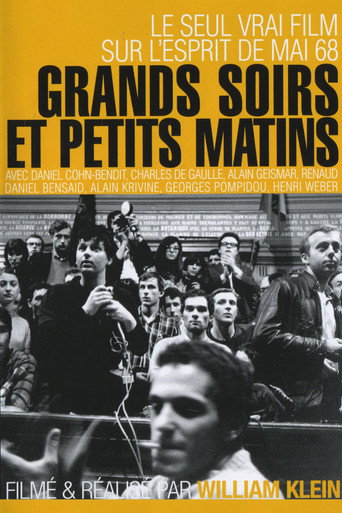
May Days
Filmmaker William Klein documents the Paris student riots that occurred in May of 1968.
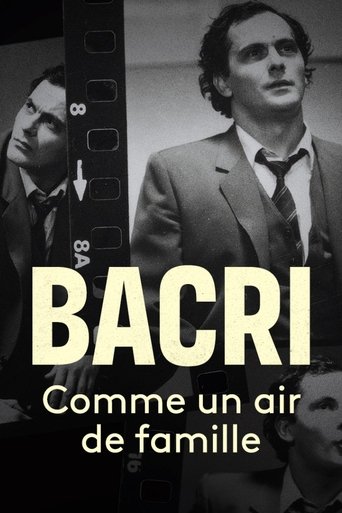
Bacri, comme un air de famille
Jean-Pierre Bacri was never happy about anything. But beyond the caricature of the grumpy man, from his apprenticeship years to his death in January 2021, this film tells the story of this quintessential Frenchman: a man turned towards others, an actor by accident, a moralist by vocation, who was left unaffected by flattery and false honors by success, and ready for all kinds of anger when it was necessary to speak out against injustice and stupidity. The film tells the story of how Jean-Pierre Bacri's life changed several times: from Algeria to France when he was eleven years old in 1962; from bank clerk to apprentice theater actor; from Pieds-noirs film star to screenwriter for Alain Resnais; and from Cannes playboy to Agnès Jaoui's mad lover, the most decisive encounter for his life as well as for his work
Hiroshima: The Time of Return
Luc Lagier puts Alain Resnais' film back in its historical context and in the filmmaker's biography. He tells the story, then the development of what was originally intended to be a short documentary film and which turned into an unusual allegory. Composed of fascinating archives, including notably the correspondence between Duras and Resnais, this analysis of 'Hiroshima mon amour' manages to put the film in perspective while detaching itself from it. A rare and captivating work.
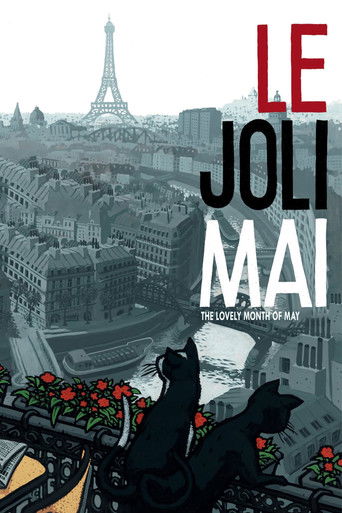
The Lovely Month of May
Candid interviews of ordinary people on the meaning of happiness, an often amorphous and inarticulable notion that evokes more basic and fundamentally egalitarian ideals of self-betterment, prosperity, tolerance, economic opportunity, and freedom.
Propos d'Alain Resnais
Audio interview with Alain Resnais
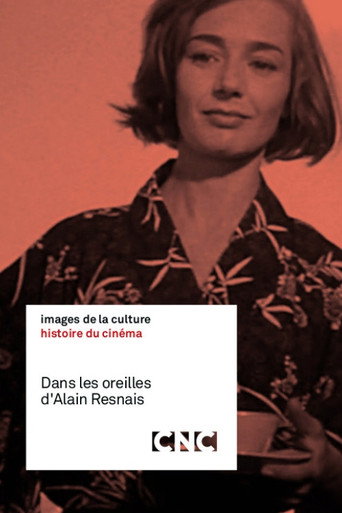
In the Ears of Alain Resnais
A documentary on the filmmaker with a focus on music and voices in his work, featuring collaborators and critics including the filmmaker himself, actor Lambert Wilson, writer and actress Agnés Jaoui, critic Michel Ciment and others.
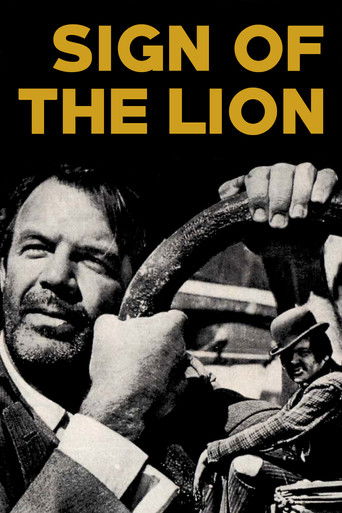
Sign of the Lion
An American in Paris lives by sponging off his working friends, and throws a party using borrowed money when his rich American aunt dies, believing firmly in his horoscope.
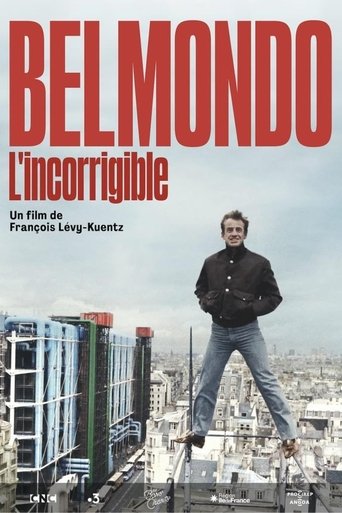
Belmondo: The Incorrigible
Charismatic and resourceful, seducer and daredevil, Jean-Paul Belmondo has always played his roles as he lived, at a thousand miles an hour. He had only one passion: to entertain the public with his smile, his naturalness, his energy, his stunts. But contrary to appearances, his destiny was full of pitfalls. This film lifts the veil on a founding childhood that allowed him to overcome many obstacles throughout his life thanks to the tutelary figures of his father and mother. Told from the inside with the help of his autobiography, interviews and unpublished archives, this epic story traces the career of this turbulent young actor who launched the New Wave in Breathless before becoming the popular Bebel, an indestructible and provocative vigilante. From film to film, this documentary paints an intimate portrait of a man who built himself up to reach the top: his triumphs but also his trials, his doubts, his secrets, his angers, his clowning, his disappointments or his personal dramas.
Production
Night and Fog
Filmmaker Alain Resnais documents the atrocities behind the walls of Hitler's concentration camps.
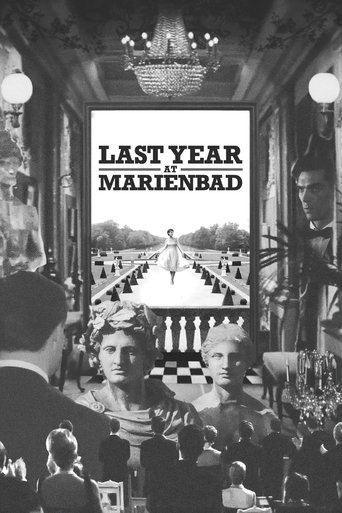
Last Year at Marienbad
At a weekend gathering, a man tells a woman that they had spent time there together a year prior. But, the woman has no recollection whatsoever and is convinced that he is simply fabricating the encounter. The more he speaks about their activities the previous year however, the more compelling he becomes. The question remains however – did they meet previously or not?
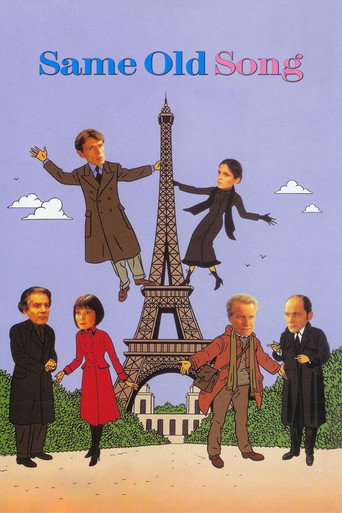
Same Old Song
Business executive Odile seeks a new, larger apartment. Her younger sister Camille, having completed her doctoral thesis in history, is a Paris tour guide. Simon is a regular on Camille's tours as he's attracted to her. However, Camille has fallen for Marc, and they begin an affair. Nicolas is also looking for an apartment, since he hopes to eventually have his family join him in Paris.
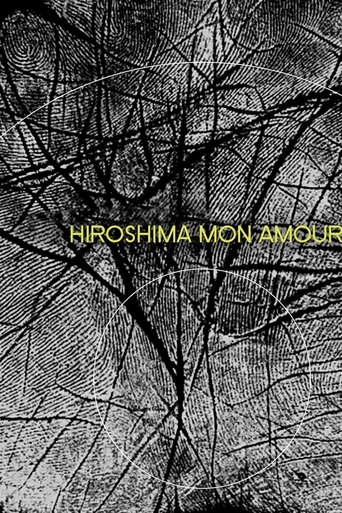
Hiroshima Mon Amour
The deep conversation between a Japanese architect and a French actress forms the basis of this celebrated French film, considered one of the vanguard productions of the French New Wave. Set in Hiroshima after the end of World War II, the couple -- lovers turned friends -- recount, over many hours, previous romances and life experiences. The two intertwine their stories about the past with pondering the devastation wrought by the atomic bomb dropped on the city.
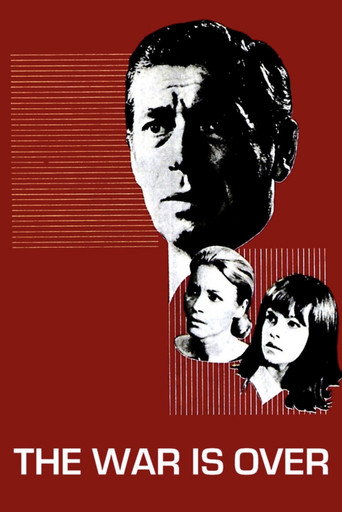
The War Is Over
On his way from Madrid to Paris, Diego, a chief of the Spanish Communist Party, is arrested at the border for an ID check but manages to flee. When he arrives in Paris, he searches for one of his comrades to prevent him from going to Madrid where he could be arrested.
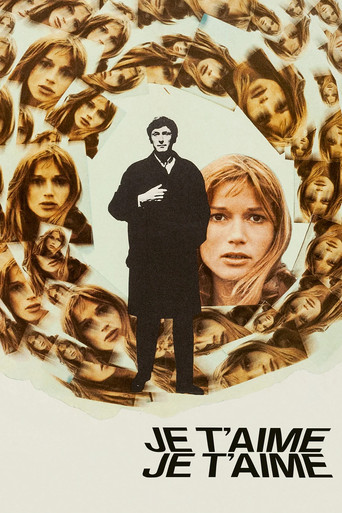
Je T'Aime, Je T'Aime
Recovering from an attempted suicide, a man is selected to participate in a time travel experiment that has only been tested on mice. A malfunction causes the man to experience moments from his past in a random order.
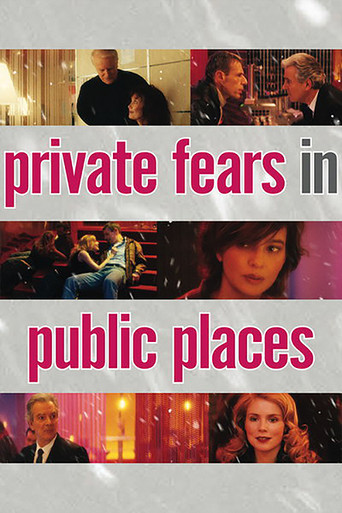
Private Fears in Public Places
Seven lonely lives in Paris: a middle-aged estate agent who believes a colleague is sending messages in video tapes she loans him; his co-worker whose Bible is close at hand in times of stress; her late-night charge, an angry, nasty bedridden old man; his son, a patient bartender; the bartender's best patron, an ex-soldier who's lost his moorings while his fiancée looks for a large flat for them; and, the estate agent's much younger sister, who answers personals and waits in cafés with a red flower pinned on her jacket. Will any connect? Can open hearts trump fears?
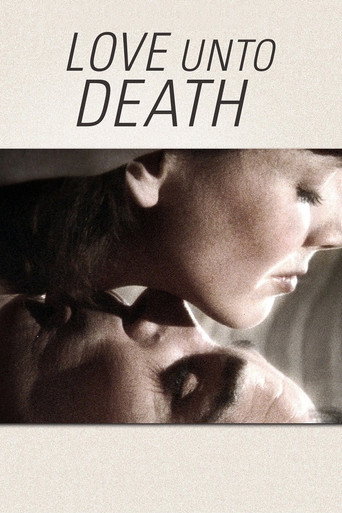
Love Unto Death
Elisabeth and Simon have been deeply in love for two months when Simon momentarily dies, but returns to life. Despite declining further medical tests, the couple are forced to grapple with the possibility of his death. Eventually, they tell their close friends Jérôme and Judith Martignac about the event. The Martignacs are both clerics, and Judith has just been giving a funeral service for a villager who committed suicide, though Jérôme would have nothing to do with suicide...
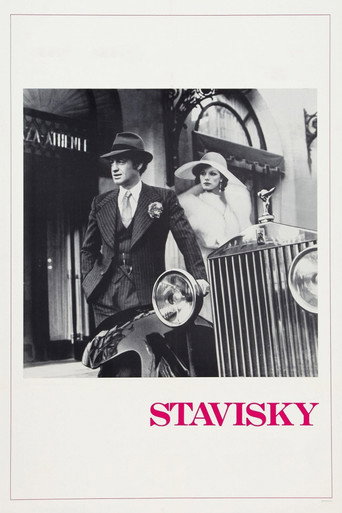
Stavisky...
Biarritz, 1933. Charm and talent assist small-time swindler Serge Alexandre, alias Stavisky, to bribe his way into the centre of French politics. But when his great scam involving millions is exposed, he brings the government to the verge of collapse and the country to the brink of civil war.
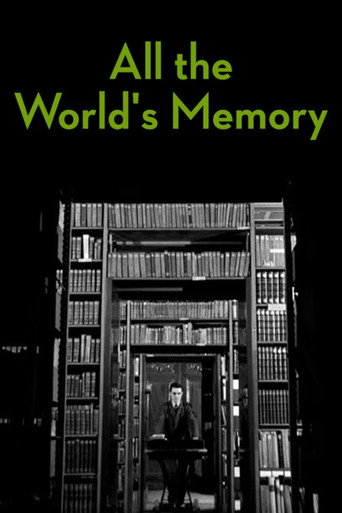
All the World's Memory
A documentary about the Bibliothèque Nationale in Paris. It presents the building, with its processes of cataloguing and preserving all sorts of printed material, as both a monument of cultural memory and as a monstrous, alien being.
Gallery