Directing
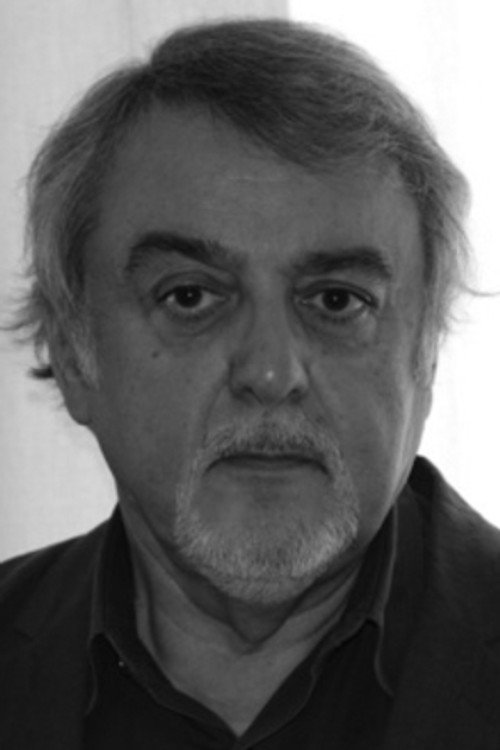
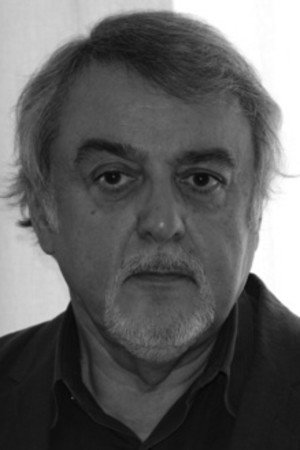
Alain Bergala is a French film critic, essayist, screenwriter and director. Former writer for Cahiers du cinéma, he is best known as a specialist in the works of Jean-Luc Godard.
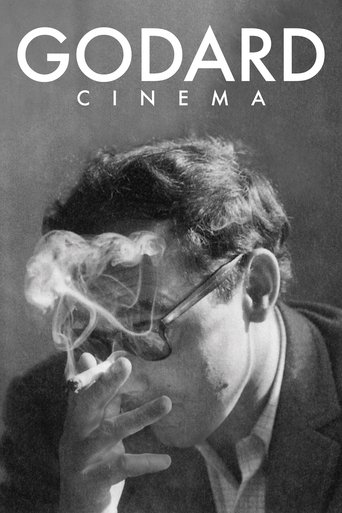
Jean-Luc Godard is synonymous with cinema. With the release of Breathless in 1960, he established himself overnight as a cinematic rebel and symbol for the era's progressive and anti-war youth. Sixty-two years and 140 films later, Godard is among the most renowned artists of all time, taught in every film school yet still shrouded in mystery. One of the founders of the French New Wave, political agitator, revolutionary misanthrope, film theorist and critic, the list of his descriptors goes on and on. Godard Cinema offers an opportunity for film lovers to look back at his career and the subjects and themes that obsessed him, while paying tribute to the ineffable essence of the most revered French director of all time.
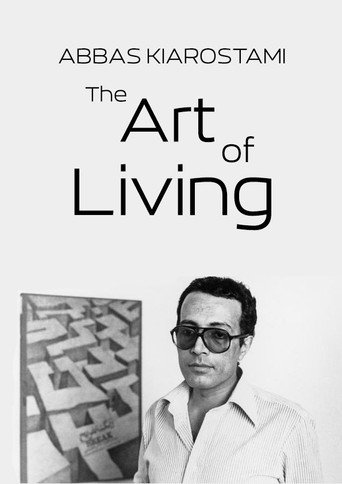
Through an interview with Kiarostami in the Aran Islands and interviews with film critics and scholars at Cannes, the director examines Kiarostami's themes and methods. The director also profiles Kiarostami as a poet and a photographer.
In a survey of Agnès Varda's work in short films, the director has a conversation with Anne Huet and Alain Berlaga.
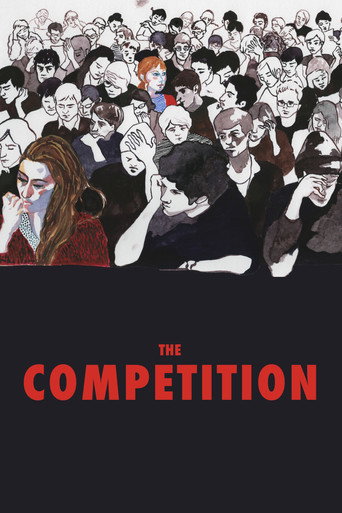
An all-access tour behind the scenes at France’s premiere film school, La Fémis. Showing us how successful candidates get to follow in the footsteps of such luminaries as Louis Malle, François Ozon and Alain Resnais, all of whom attended this prestigious institution. Stumbling over their words, the often-nervous candidates seem vulnerable when confronted with the veterans of the industry, who have the difficult task of discovering true talent among all these eager young people.
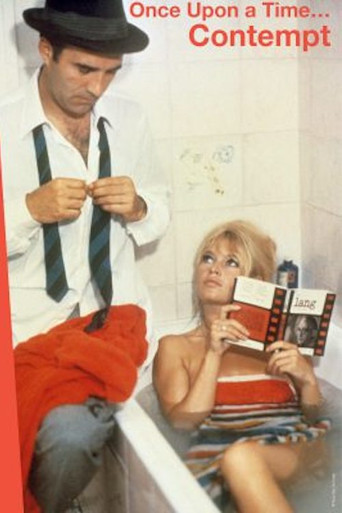
Fourty-six years since the release of Le mépris, Jean-Luc Godard watches the film again to comment on it and its tumultuous production. Featuring interviews with: Jacques Rozier, Alain Bergala, Michel Piccoli, Charles Bitsch.
Reel 36 of Gérard Courant’s on-going Cinematon series.
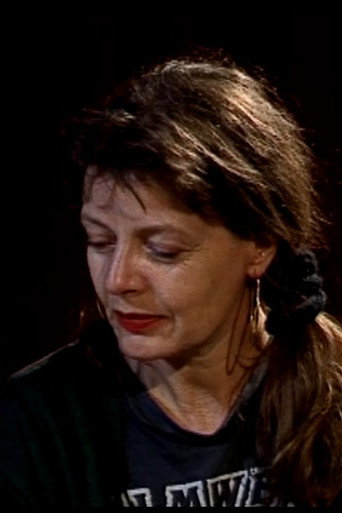
Alain Bergala chats with Moune Jamet. They talk about her work as a still photographer while viewing a selection of photographs.
This affectionate little drama captures the last summer before graduation, when these assorted film students and drama students must leave the protected world of college and venture out into the chaotic currents of everyday life. Each student has his own style and character - often chosen for maximum dramatic impact. For instance, Paul is permanently gloomy, and mopes around, invariably wearing a long coat. The others make fun of him, because he is so serious. Charly loyally helps a male friend of hers rid himself of the insistent attentions of a former girlfriend. Caroline is the romantic one of the bunch, and her adventures along those lines keep her fully occupied. Several of them insist that they will not compromise the purity of their cinematic and theatrical aspirations for mere monetary comfort, but when Luc and Nanou find that Nanou is pregnant, they reconsider their absolutist stance.
This documentary is featured on the two-disc Chaplin Collection DVD for "The Kid" (1921), released in 2004.
After committing a hit and run, a man insinuates himself into the lives of the victim's family.
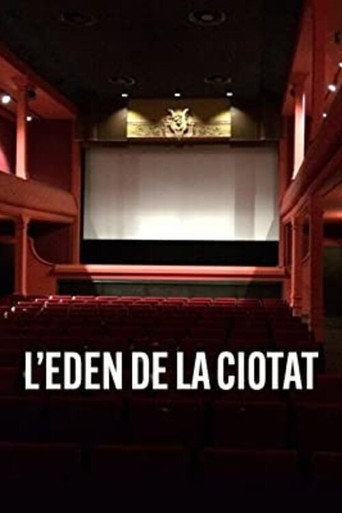
To give creativity free reign, in the space of fifty minutes: this is the strength of the documentary series Cinémas mythiques. This episode gives the critic Alain Bergala complete freedom to commemorate the original Éden de La Ciotat cinema. The oldest continuously operating cinema in the world first opened as a theatre in 1889, but the very same year it also hosted its first commercial film screening, comprised of nineteen Lumière “views”. Threatened with closure in the 1980s, the cinema was reopened in 2013 after a restoration project. This luminous documentary accompanies Jean-Pierre and Luc Dardenne over the course of a few days in October 2021 as they walk through the Teatro Éden, the shipyard and the Palais Lumière built by Antoine Lumière, the father of Auguste and Louis. And it does not forget the legendary station from L’Arrivée d’un train en gare de La Ciotat.
Emmanuel, 37, lives in Paris with his wife, Irene, and his daughter Anne, 14 years old. He accidentally discovers that Irene is receiving mail in the remaining mail. She refuses to follow Emmanuel to Italy where he has to write a biography of Filippo Lippi. Distraught, Emmanuel decided to leave immediately for Florence.
Bergala makes Erice wander about (DV in hand) between Madrid and Paris remembering those primeval scenes in his education as a filmmaker, retrieving places more alive than ever in his cinéphile memory. Paris-Madrid, allers-retours fuses genealogy & elegy, diving into the roots of Erice’s oeuvre.
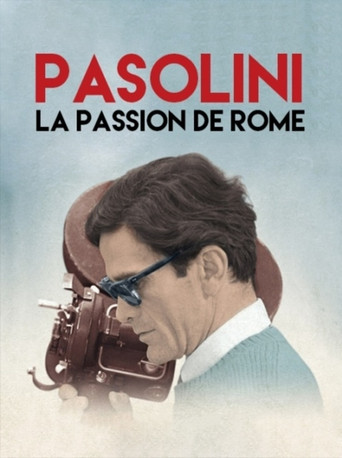
For Pasolini, Rome is neither just a simple setting or a place to live. Rome had a physical, carnal and passionate existence for the man and the poet.
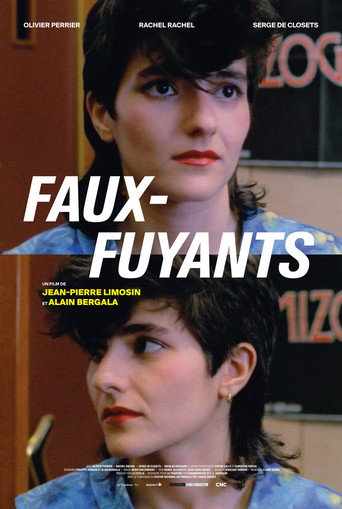
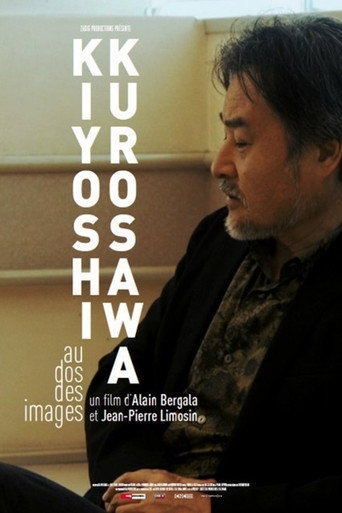
At the invitation of Limosin and Bergala, Kiyoshi Kurosawa rediscovers his own films, first during the shooting of his French film in Paris and then in Tokyo. From his first militant films in Super 8 to his undisputed masterpieces, the Japanese director confides his obsessions, his repulsions, his deliciously heterogeneous tastes as a film buff, his pleasures and his fears as a filmmaker.